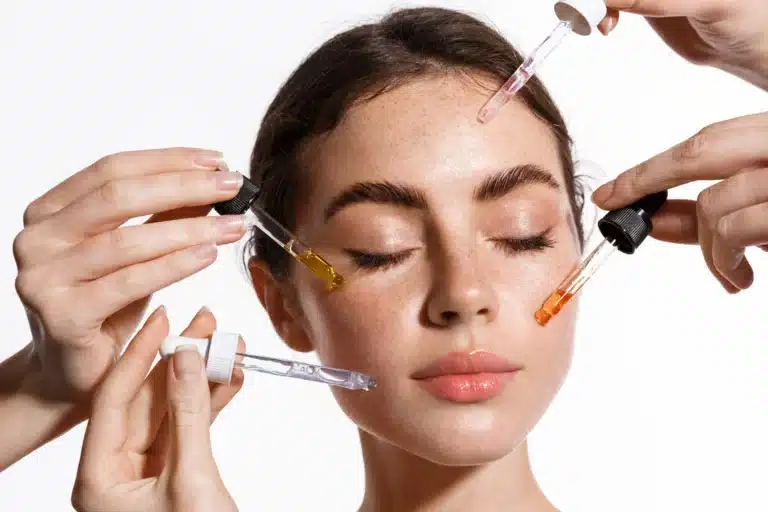
What is botulinum toxin?
Botulinum toxin is produced by the bacterium responsible for botulism. Supplied as a powder for reconstitution, it temporarily reduces targeted muscle contraction.
Initially used medically (neurology, ophthalmology, etc.), it is now highly popular in aesthetic medicine and surgery.
It is the world's most frequently performed aesthetic treatment.
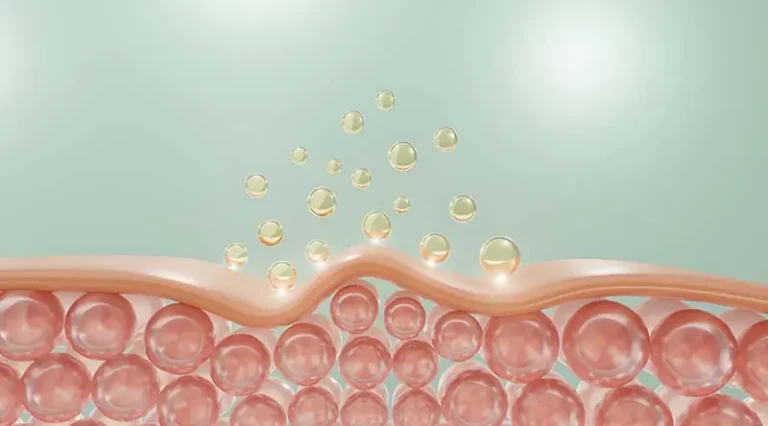
How does botulinum toxin reduce wrinkles?
Facial muscles are closely connected to skin. Each contraction moves the skin, initially causing dynamic expression wrinkles and later static resting wrinkles.
Botulinum toxin prevents acetylcholine release at nerve endings, blocking the signal required for contraction. The muscle cannot contract, skin relaxes and wrinkles disappear.
Its action is aesthetic and functional:
- Treatment of expression and resting wrinkles caused by muscular contraction.
- Treatment of primary axillary hyperhidrosis.
- Medical treatments within neurology and ophthalmology.
What are the benefits of botulinum toxin?
Botulinum toxin is highly successful in Switzerland thanks to numerous aesthetic and practical benefits.
- Recognised reliability: administered by an experienced doctor, it is considered safe. Decades of medical use provide extensive clinical experience and an excellent safety reputation.
- Quickly visible effects: initial results generally appear within days and last three to six months on average.
- Minimally painful treatment.
- No social downtime required.
Which areas are treated with botulinum toxin injections?
Botulinum toxin treats certain facial wrinkles:
- Botulinum toxin for frown lines: treating vertical lines between the eyebrows refreshes the gaze.
- Botulinum toxin for crow's feet: eye-corner wrinkles are treated effectively and the gaze opens.
- Botulinum toxin for forehead wrinkles: horizontal lines must be treated naturally to avoid freezing expression.
- Botulinum toxin for excessive sweating: used for primary axillary hyperhidrosis. Other indications are off-label and not performed by Dr Romano.
What happens during botulinum toxin injections?
The face is analysed at rest and in movement. Examination identifies muscular balance, possible asymmetries and technical adjustments required by individual anatomy.
Different botulinum toxin brands exist.
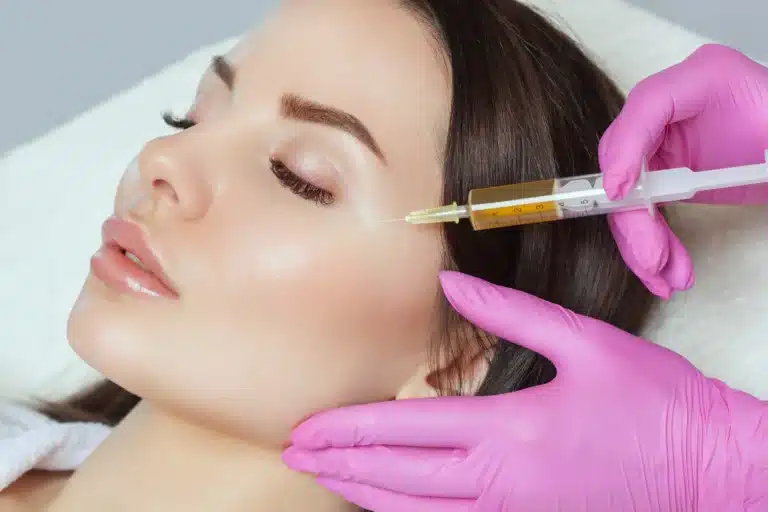
Treatment blocks muscle activity: injections go into muscle, not wrinkles. Precise points adapted to anatomy are injected.
Injections are quick, using a very fine needle. No anaesthesia is needed; they are almost painless. Unlike hyaluronic acid, the product contains no anaesthetic. Warmth is felt during administration.

Precautions before injections of
botulinum toxin
To reduce bruising risk, avoid blood-thinning substances in the preceding days: anti-inflammatories, aspirin and supplements such as turmeric, omega-3 or vitamin C.
Precautions after injections of
botulinum toxin
Dr Romano emphasises following instructions to avoid complications.
On injection day, avoid touching injection points, washing hair and bending the head.
For two days, avoid exercise, eyelash and eyebrow treatments and hair dye.
For one week, avoid saunas, steam rooms, sunbeds, facial massage and facial steaming.
Contraindications
Contraindications include:
- Pregnancy and breastfeeding.
- Neuromuscular or neurological conditions, such as myasthenia.
- Known allergy to botulinum toxin type A or eggs (some brands contain albumin).
- Infection or wound at the injection site.
- Combining aminoglycoside antibiotics is discouraged because they enhance toxin effects.
Normal after-effects
Typical after-effects include:
- Small swellings at injection points lasting around ten minutes.
- Local redness at injection points lasting no more than one week.
Side effects of botulinum toxin
Side effects last one to seven days.
- Headaches.
- Dry eyes.
- Brow or upper eyelid ptosis (drooping): this complication results from technical error or failure to follow aftercare precautions.
- Asymmetry: pre-existing asymmetry cannot be fully corrected.
- Nausea, dizziness, flu-like symptoms.
Long-term adverse effects
Tolerance: some people may develop tolerance, requiring higher doses for the same results.
Muscle weakening: generally positive with correctly performed injections. Otherwise, weakening the forehead muscle, particularly its lower part, may cause permanent brow drooping.
Resistance: some develop antibodies, reducing or eliminating effectiveness. This rare phenomenon often relates to overly frequent injections.
Botulinum toxin results: before / after injections
Results start appearing 1 to 3 days after injections: muscles relax and wrinkles gradually soften. After 7 days, results are optimal, with clearly reduced wrinkles and smoother skin.
A free touch-up is scheduled 1 to 3 weeks later.
Botulinum toxin rejuvenates the face: wrinkles disappear and the gaze opens and looks rested.
Results are adapted to patient wishes. Some prefer complete wrinkle disappearance over natural results; others want natural effects or some movement in all muscles (actors, for example).
Dr Romano always respects patient choice but strongly recommends natural results.
Effects start appearing two days afterwards and settle after seven days.
How long do results last?
Results are temporary, lasting 4 to 6 months.
After 6 months, toxin is fully metabolised. Muscles regain full activity and wrinkles return completely. After several sessions, some wrinkles may nevertheless appear softer through temporary muscle weakening.
Repeating injections every six months progressively weakens muscles for longer-lasting wrinkle reduction. Regular injections also help prevent new wrinkles.
How can botulinum toxin effects be removed?
- Patience: waiting is the best way to remove effects. They fade naturally, generally within three to six months. Exact duration depends on dose, area and metabolism.
- Massage: controversial and not always recommended, gentle massage is advised by some doctors to redistribute toxin. It must be performed by a doctor to avoid complications. Dr Romano does not favour this method.
- Muscle stimulation: gentle facial exercises and repeated contractions may accelerate toxin breakdown by stimulating reactivation. Results vary.
- Medical consultation : if effects are bothersome or cause aesthetic or functional complications, consult your doctor. Although immediate reversal is impossible, personalised advice and side-effect management are available.
- Complementary treatments: other aesthetic interventions, such as hyaluronic acid injections, may sometimes soften unwanted results. Unfortunately, this is not always possible.
How much do botulinum toxin injections cost in Geneva?
In Geneva, botulinum toxin injections cost 300 – 650 CHF according to area and units used.
Price depends on area, amount, medical expertise and sex, since doses vary with muscular strength. In the USA, pricing is per unit, averaging 10 to 15 CHF per unit, while Swiss pricing generally reflects the treated area.
Consult an experienced doctor for an accurate personalised quotation and confidence in natural results without complications. Pricing per area or vial is clearly established beforehand for transparent, rigorous care.
For upper-face aesthetic treatment (forehead, frown lines and crow's feet), prices are:
- For women :
One area: 300 CHF
Two areas: 450 CHF
Three areas: 600 CHF - For men :
One area: 350 CHF
Two areas: 500 CHF
Three areas: 650 CHF
For therapeutic or functional indications, prices depend on vial numbers:
- Primary axillary hyperhidrosis (excessive sweating) treatment:
600 CHF for the first vial
350 CHF for each additional vial
One to three vials may be indicated.
Patient feedback on botulinum toxin for wrinkle filling
Feedback is mainly positive from both patients and doctors.
Patients praise wrinkle and fine-line smoothing for a younger, rested appearance. They appreciate subtle treatment preserving natural expression while reducing ageing signs when performed by an experienced doctor.
Results appear quickly, optimal after one week. Botulinum toxin is also renowned for safety and effectiveness, lasting six months. Quick recovery and minimal side effects enhance satisfaction, making it a treatment of choice for facial ageing signs.
Why does botulinum toxin not last on me?
Several factors may explain this drawback, highlighting the importance of an experienced doctor.
- Product quality: poor quality or improper storage may reduce effectiveness.
- Injection technique: incorrect technique may cause inappropriate spread or insufficient product in targeted areas.
- Insufficient dosage.
- Individual metabolism: some metabolise toxin faster.
- Treatment frequency: frequent use may cause resistance. The minimum interval is three months.
- Lifestyle: smoking, excessive sun and stress may affect duration.
- Injection area: some areas require different amounts or specific techniques for desired results.
Can men have botulinum toxin?
Botulinum toxin is widely used by men and women to reduce ageing signs.
Although motivations vary, desired results are similar: a younger, rested, natural appearance. Women commonly treat forehead, crow's feet and glabellar wrinkles. Men,
meanwhile, often seek softer wrinkles without completely blocking expression, preserving masculinity. Both sexes achieve a rested, dynamic face with subtle yet visible results. Treatment is personalised to specific needs.
Does botulinum toxin create
a frozen or natural appearance?
Results can be natural or frozen depending on patient wishes and medical technique.
Some prefer complete blocking, American-style, although natural results are most popular.
Medical errors can involve dilution, injection locations or quantities at each point. Lack of technical mastery causes a frozen appearance, excessive expression blocking and product spread with consequences such as blocked smiles or drooping brows and eyelids.
What is the difference between
botulinum toxin and hyaluronic
acid?
Hyaluronic acid fills hollows, adds volume or lifts. It does not affect muscles, which continue contracting. Results are immediate.
Botulinum toxin is a powder reconstituted with saline for injection. It corrects only wrinkles caused by muscular contraction.
Results start after two days and settle after seven.
For muscular wrinkles, botulinum toxin is first-line treatment. Persistent wrinkles may be filled with complementary hyaluronic acid injections.
At what age should botulinum toxin injections start?
This depends on the concern. Excessive sweating, for example, can be treated at 18.
The manufacturer advises against use before 18 and after 65.
Aesthetically, the indication is static wrinkle development, varying by individual and expressiveness.
Intervening too late leaves skin creases that can improve but not disappear.
Prevention is the best indication: intervene before wrinkles become established (Baby botulinum toxin).
The botulinum toxin boom:
botulinum toxin in figures
Botulinum toxin is the world's most performed aesthetic medicine treatment, followed by hyaluronic acid injections and laser hair removal.
In 2012 in the USA, almost 3,3 million people received it: 2,9 million women and 340.000 men.
Europe's annual growth rate was 8,9% over 2019-2025.
Frequently asked questions about botulinum toxin injections
How long should you wait between botulinum toxin injections?
Injections are generally spaced 3 to 6 months apart for harmonious, lasting results. Temporary effects require maintenance. Results also stabilise progressively after several sessions, often from the third.
Avoid overly short intervals. At least three months is recommended to limit resistance risk.
How should botulinum toxin treatment be started?
A gradual, measured approach is preferable initially. Moderate treatment achieves natural results without excessive initial correction. A touch-up refines results according to wishes and facial changes.
How many areas should be treated for harmonious results?
Simultaneous treatment of several areas often preserves natural expression balance and provides more uniform, aesthetic results.
For example, forehead wrinkles can be treated alongside frown lines and crow's feet to avoid contrasts between areas.
What are the limitations of botulinum toxin?
It mainly treats certain expression wrinkles associated with muscle contraction. Very pronounced wrinkles or significant laxity may require more than this treatment alone.
Hyaluronic acid injections may sometimes be combined to fill deeper wrinkles.
Is botulinum toxin dangerous?
Botulinum toxin is a widely used cosmetic treatment approved by health authorities in many countries, including the US FDA (Food and Drug Administration) and European Medicines Agency (EMA). It is considered safe when administered by a qualified doctor.
Has botulinum toxin existed for a long time?
Discovered and studied since the early 19th century, it was initially identified as a food poisoning cause and became an important medical and cosmetic tool in the 20th century. It now treats many medical and aesthetic conditions.
Does botulinum toxin remove forehead wrinkles?
Yes, it very effectively reduces or temporarily eliminates them. Results vary with depth and individual response.
Does botulinum toxin delay ageing?
It delays ageing by preventing new wrinkles and worsening of existing ones.
When should botulinum toxin be stopped?
The manufacturer advises against use after 65. On stopping, temporary wrinkle reduction fades over 3 to 6 months and muscles regain normal activity. Wrinkles and fine lines gradually return.
Why does an eyelid droop after botulinum toxin?
Drooping may occur if toxin accidentally spreads into the upper eyelid lifting muscle. Rare and temporary, it generally resolves within weeks.
Brow drooping from complete forehead blocking may create a false impression of eyelid drooping.
Is having botulinum toxin beneficial?
It may benefit patients seeking fewer wrinkles and fine lines and a more open gaze.
What is the antidote to botulinum toxin?
There is no specific antidote. Once injected, no substance can neutralise its action.
Does botulinum toxin delay ageing?
Yes, it delays skin ageing by slowing muscular wrinkle development.
How does skin age with botulinum toxin?
It slows skin ageing but acts only on wrinkles. Other ageing components are untreated.
When should a botulinum toxin touch-up be performed?
A free touch-up one to three weeks after initial injections corrects asymmetries or abnormalities and refines results.
Repeat injections every four to six months thereafter to maintain results.
How can botulinum toxin last longer?
- Choose a good doctor.
- Follow aftercare recommendations.
- Schedule regular injections every six months.
- Maintain a good skincare routine.
- Adopt a healthy lifestyle, particularly stress management.
- Combine treatments: dermal fillers and laser.