
Aesthetic medicine encompasses medical treatments intended to prevent, correct or reduce certain changes in the face and body without surgery. Contrary to a widespread belief, there is no universal treatment : wrinkles, skin laxity, volume loss and pigmentation do not arise from the same biological mechanisms and therefore require different care. Treatment selection is based primarily on a medical diagnosis that identifies the cause of the concern before considering the most suitable solution.
Which treatment gives beautiful skin ? Which technique rejuvenates the face ? How can the silhouette be slimmed and cellulite treated without surgery ? How can the nose be reshaped without surgery ? Aesthetic concerns can be addressed using the range of aesthetic medicine techniques available. Lasers, peels and injections are tools for reshaping the silhouette and body without surgery.
Why are there so many aesthetic medicine treatments ?
Many patients are surprised by the variety of treatments offered in aesthetic medicine. Injections, peels, lasers, radiofrequency, cryolipolysis and mesotherapy may appear to share the same goal : improving the appearance of the skin or slowing the effects of ageing. Yet these techniques do not act on the same biological mechanisms.
Ageing is a complex process. From adulthood onwards, collagen production gradually declines, causing a loss of skin firmness. Elastin fibres become disorganised, reducing the tissues' ability to regain their shape after facial movement. Hyaluronic acid naturally present in the dermis also decreases over time, promoting skin dehydration and the first fine lines.
These changes are accompanied by deeper alterations. Facial fat compartments shift under gravity, with some areas losing volume while others become more prominent. The bone structure also changes with age, gradually reducing support for soft tissues. The muscles responsible for facial expressions continue contracting every day, encouraging expression lines to form.
Environmental factors often accelerate these processes.
Modern aesthetic medicine therefore involves selecting a treatment that precisely targets the cause of the concern rather than routinely applying the same treatment.
How do you choose the most suitable treatment ?
The choice of treatment should never be based on a technique's popularity or a result seen in someone else. In aesthetic medicine, care is determined by understanding the mechanism responsible for the observed change rather than by the treatment itself. Two patients seeking help for the same concern may therefore require entirely different treatment strategies.
Nasolabial folds provide a good example. In some patients, they are an anatomical feature present from a very young age. In others, they gradually develop as cheek fat compartments descend, bone support diminishes or tissues become thinner with ageing. The visible fold is similar, but its cause differs. Correcting the fold alone without addressing the underlying mechanism often produces an incomplete or poorly balanced result.
Tired-looking skin is not always dehydrated, just as a face that appears to sag does not always lack volume. The same symptom may reflect reduced collagen production, impaired microcirculation, pigment changes, skin laxity, redistribution of fat compartments or a combination of these factors. Appearance is therefore only one part of the diagnosis.
The medical consultation specifically aims to look beyond what is visible. It assesses tissue quality, facial anatomy, ageing mechanisms and the patient's expectations to develop a coherent, personalised treatment strategy. This approach generally produces more natural, lasting results better suited to each face, while avoiding treatments that would be insufficient, inappropriate or simply unnecessary.
Injections in aesthetic medicine : what are their indications and aims ?
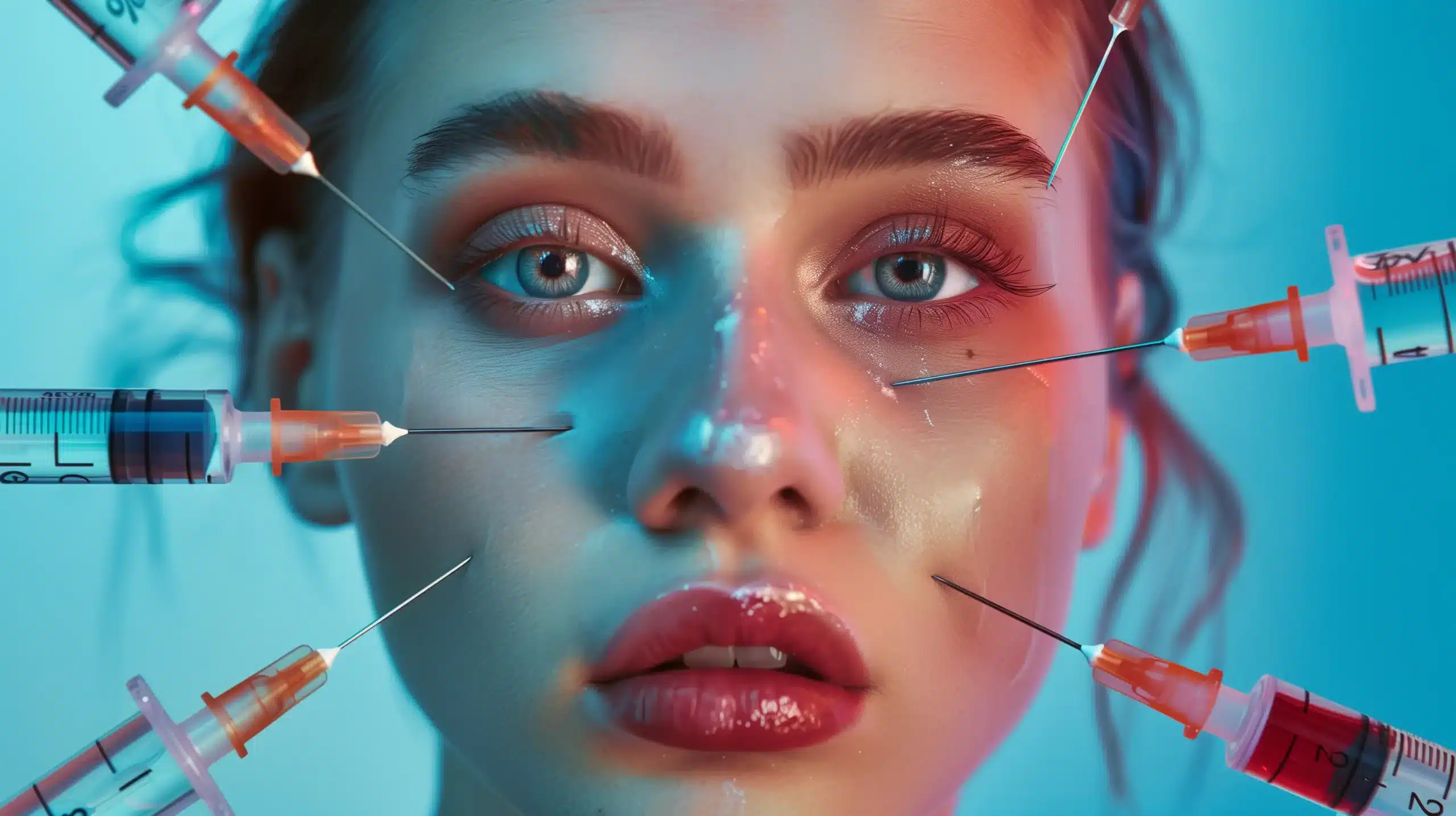
Injections play a central role in aesthetic medicine. They include several product families with very different mechanisms of action, indications and aims. Each product addresses a specific concern within a treatment strategy established during the consultation.
Some injections restore volumes that have gradually changed with ageing or correct anatomical features present throughout life. Others aim to improve skin quality by stimulating natural repair mechanisms, promoting deep dermal hydration or gradually restarting collagen production. Botulinum toxin acts through an entirely different principle, temporarily modulating the activity of certain muscles responsible for expression lines.
Injections are not used solely for aesthetic purposes. Some also address recognised functional indications, such as hyperhidrosis.
An injection's effectiveness depends above all on whether it is appropriately indicated. Product selection, the treated area, injection depth, the amount used and respect for the patient's anatomy directly influence the result. The same product can therefore produce very different effects depending on how it is used and the concern it aims to correct. This is why the quality of medical assessment is often more decisive than the technical procedure itself.
Injections nevertheless have limitations. They cannot correct every manifestation of ageing. Skin mainly affected by photoageing or substantial collagen loss will benefit more from a treatment stimulating skin remodelling, such as certain lasers or other technologies. Similarly, when there is major excess skin or very advanced tissue laxity, surgery may remain the most suitable solution.
Skinboosters and mesotherapy : hydrating, revitalising and improving skin quality
Skinboosters and mesotherapy are two treatments designed to improve skin quality without changing facial volume. Unlike volumising hyaluronic acid injections, they aim to influence the biological characteristics of the dermis to restore hydration, improve elasticity and make the skin brighter and more even.
With age, the skin gradually loses water, collagen and elasticity. This results in a duller complexion, dehydration lines, less even texture and reduced firmness. Skinboosters and mesotherapy were developed to act on these mechanisms without altering the natural facial contours.
Skinboosters involve injecting lightly crosslinked hyaluronic acid into the dermis. Their action provides lasting skin hydration and stimulates dermal remodelling, gradually making the skin more supple, denser and healthier. They are particularly indicated for patients with dullness, superficial fine lines, dehydrated skin or early signs of skin ageing.
Mesotherapy works differently. It involves injecting very small quantities of active substances into the dermis, such as vitamins, amino acids, antioxidants, minerals or non-crosslinked hyaluronic acid. Its aim is to support cellular metabolism and create an environment favourable to normal skin function.
These two treatments offer an approach to skin prevention and regeneration. They gradually improve skin quality but do not correct volume loss, substantial laxity or deeply established wrinkles. When these mechanisms are present, other treatments such as volumising injections, collagen stimulators or certain medical lasers are generally more appropriate. Choosing between a Skinbooster, mesotherapy or another technique therefore always rests on medical assessment of the causes of skin ageing rather than the visible symptom.
Medical peels : improving skin tone, texture and quality

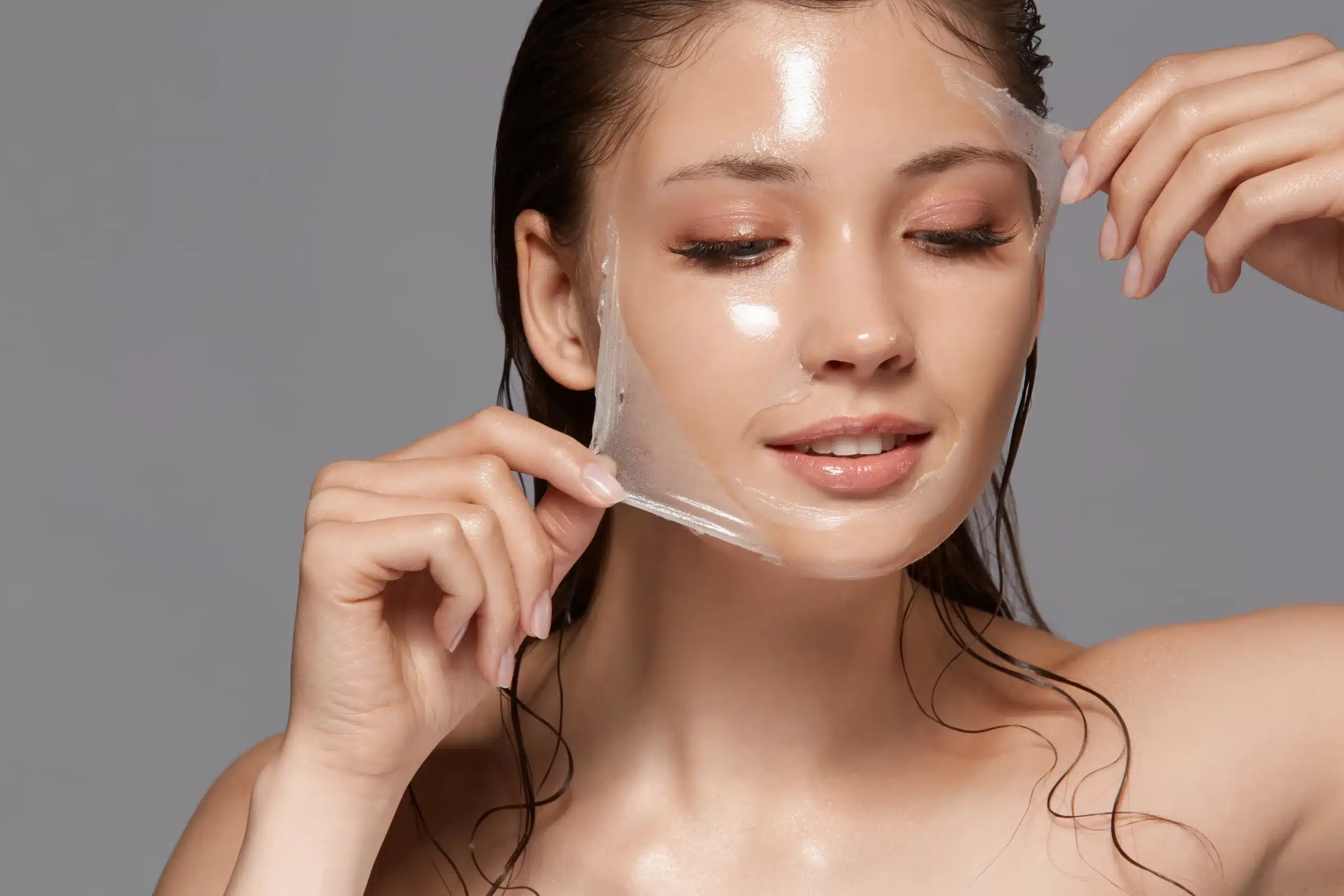
Medical peels are treatments designed to improve skin quality by stimulating its natural renewal. They correct certain superficial imperfections, even out the complexion and reduce signs of photoageing.
With age and repeated ultraviolet exposure, cell renewal gradually slows. Dead cells accumulate on the epidermal surface, skin loses radiance, pigmentation irregularities become more visible and skin texture deteriorates. Medical peels accelerate this renewal process to encourage smoother, more even and brighter skin.
Unlike cosmetic exfoliants used at home, medical peels use active substances at concentrations tailored to each indication. Depending on their depth of action, they can improve superficial fine lines, pigmentation, enlarged pores, certain acne scars and changes caused by photoageing. Deeper peels also stimulate collagen synthesis, gradually improving the quality of the dermis.
The choice of peel rests on a precise medical assessment. The concern being treated, skin phototype, skin thickness, sun exposure habits, season and acceptable social downtime directly influence the treatment strategy. Superficial, medium and biostimulating peels do not address the same goals or produce the same results.
Medical peels nevertheless have limitations. They improve skin quality but do not correct volume loss, substantial skin laxity or expression lines caused by muscle activity. When these mechanisms predominate, injections, collagen stimulators, medical lasers or other technologies are generally more suitable. A peel's effectiveness therefore depends above all on an appropriate indication and its integration into comprehensive skin ageing care.
Laser treatments : what are their indications in aesthetic medicine ?
Medical lasers can treat many aesthetic medicine indications, but no single laser addresses every skin concern. Each technology has a specific wavelength targeting a particular skin component, which explains why a laser effective for wrinkles is not suitable for pigmentation, redness or scars.
Lasers work through selective photothermolysis. Depending on the wavelength, their energy is preferentially absorbed by water in the tissues, melanin responsible for pigmentation or haemoglobin in blood vessels. This selectivity allows precise targeting while preserving surrounding tissues.
Resurfacing lasers, whether ablative or nonablative, are mainly indicated to improve skin quality. By stimulating dermal remodelling and new collagen production, they reduce wrinkles, refine skin texture, minimise enlarged pores and improve certain scars, particularly acne scars. Pigment lasers target excess melanin to treat solar lentigines, certain benign hyperpigmentations or photoageing-related spots. Vascular lasers reduce diffuse redness, couperose, certain angiomas or small visible vessels.
Laser selection therefore depends on the medical diagnosis rather than the newest technology or the device's brand name. The indication, skin phototype and quality, pigmentation history, acceptable recovery time and desired results determine the treatment strategy. Several technologies often complement each other to address different ageing mechanisms within the same care plan.
Lasers nevertheless have limitations. They improve skin quality, correct certain imperfections and stimulate collagen synthesis, but do not restore lost volume or replace injections or surgery when anatomical changes are substantial. Their effectiveness depends primarily on an appropriate indication and choosing the technology best suited to each patient.
Aesthetic medicine devices : firming skin, reshaping tissues and reducing fat deposits
Aesthetic medicine devices use different forms of energy to act on tissues without surgery. Unlike injections or lasers, their aim is not always to correct a wrinkle or volume loss. Depending on the technology, they can stimulate collagen production, improve skin firmness, reduce certain localised fat deposits or strengthen muscle tone.
Each technology has a specific mechanism of action. Radiofrequency delivers controlled heat into the dermis to stimulate collagen fibre remodelling and gradually improve skin firmness. Focused ultrasound delivers energy at different depths to act on supporting structures in the face or body, treating certain mild to moderate forms of skin laxity.
Cryolipolysis works through an entirely different mechanism. By exposing fat cells to controlled cooling, it triggers their gradual elimination by the body without surgery or anaesthesia. This technique treats localised fat deposits and is not a weight-loss method.
Other devices use high-intensity electromagnetic stimulation to induce deep muscle contractions. They improve muscle tone and reshape certain body areas while complementing a healthy lifestyle. However, they do not replace a balanced diet, physical activity or treatments intended to reduce substantial excess fat.
As with other aesthetic medicine treatments, choosing a device depends primarily on the medical diagnosis. Skin laxity, loss of firmness, excess fat and insufficient tone require different technologies. Effective treatment therefore depends on selecting the device best suited to the patient's concern, as well as establishing the correct indication and realistic expectations.
What are the 10 best anti-ageing medicine options for effective rejuvenation ?
• Hyaluronic acid injections : to fill wrinkles and restore volume.
• Botulinum toxin injections : to treat certain expression lines.
• Chemical peels : to renew the skin and improve radiance.
• Fractional laser : to treat pigmentation and wrinkles and improve skin texture.
• Mesotherapy : to deeply hydrate and revitalise the skin.
• Skinboosters : to restore skin suppleness and hydration.
• Radiofrequency : to stimulate collagen synthesis and firm the skin.
• Microneedling : to improve texture, reduce scars and stimulate collagen.
• Focused ultrasound (HIFU) : to lift and firm without surgery.
• Carboxytherapy : to improve circulation and firm tissues.
Which aesthetic medicine treatments are essential ?
Key treatments include botulinum toxin and hyaluronic acid injections, peels for complexion radiance, laser treatments to correct imperfections, and mesotherapy to revitalise the skin.
What are the differences between injections, peels and laser treatments in aesthetic medicine ?
• Injections : used to fill wrinkles (hyaluronic acid) or relax muscles (botulinum toxin).
• Peels : deeply exfoliate the skin to renew the complexion and treat imperfections.
• Laser : acts in depth to treat pigmentation and wrinkles and improve skin texture.
Can injections be combined with laser sessions or peels for optimal results ?
Yes, combination treatment is possible and often recommended. For example, peels and lasers can prepare the skin while injections correct volume. Sessions should nevertheless be spaced a few weeks apart to avoid irritation.