
The face is our first point of contact with others. Aesthetic medicine techniques can now enhance facial features, reduce signs of time and redefine facial structure.
Before deciding on aesthetic medicine procedures for the face, consulting an experienced doctor is important to assess your skin, needs and goals and recommend the most appropriate options.
Several points deserve your attention :
- Personalised assessment : for optimal results.
- Complete information : understanding procedures, results and post-treatment care.
- Choice of specialist : choose a trained, experienced doctor.
Redefining the face through aesthetic procedures
How can you achieve an attractive face without surgery ? Aesthetic medicine techniques can now improve facial appearance without surgery. They restore or create volume that naturally declines with age and give the face a more harmonious shape.
Hyaluronic acid injections are the main treatment. They correct volume loss, redefine certain contours or naturally improve facial structure.
Advances in this field now allow the face to be feminised, masculinised or lifted (medical lift technique) without surgery. Results are natural, balanced and adapted to each patient's facial structure.
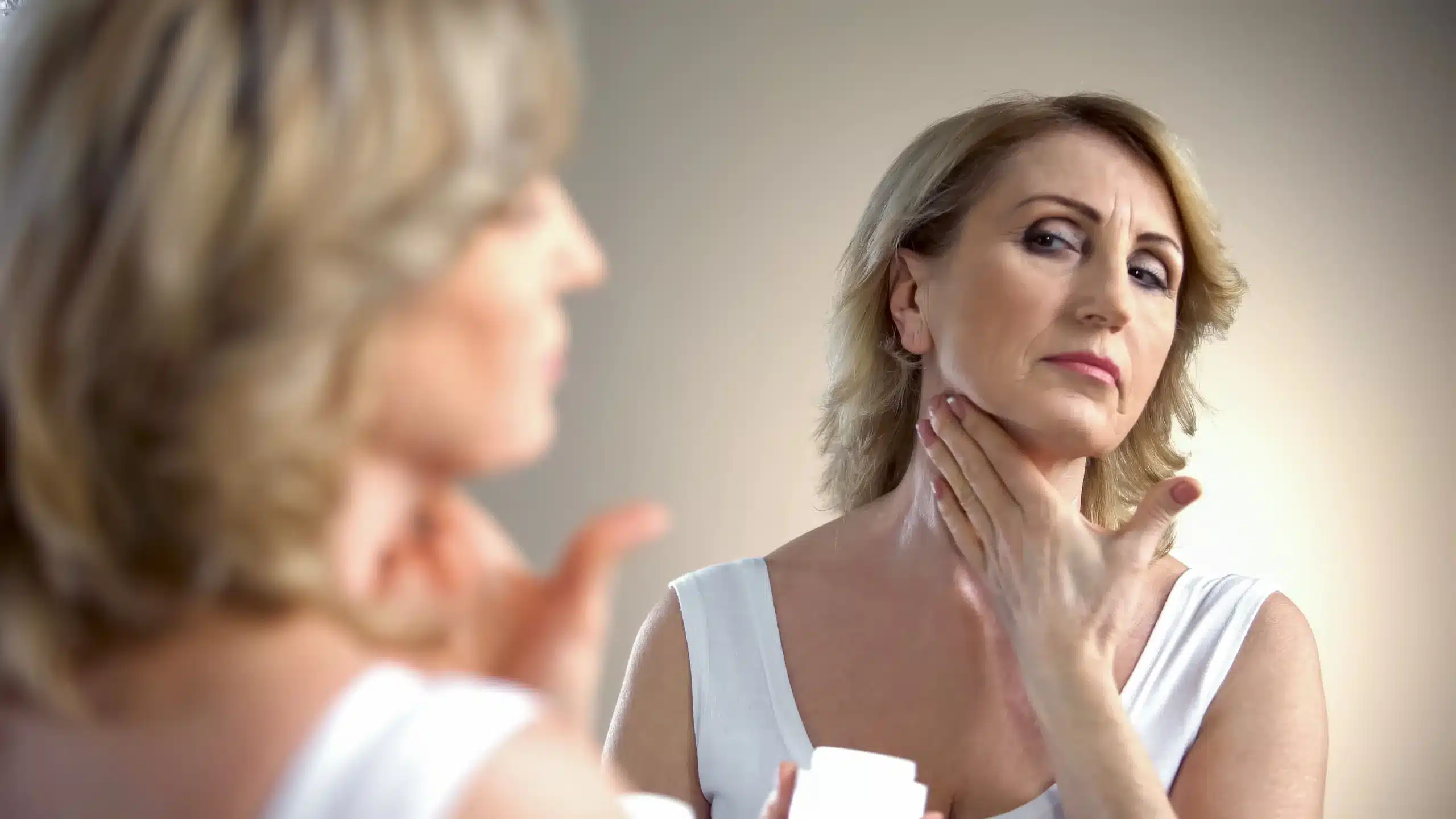
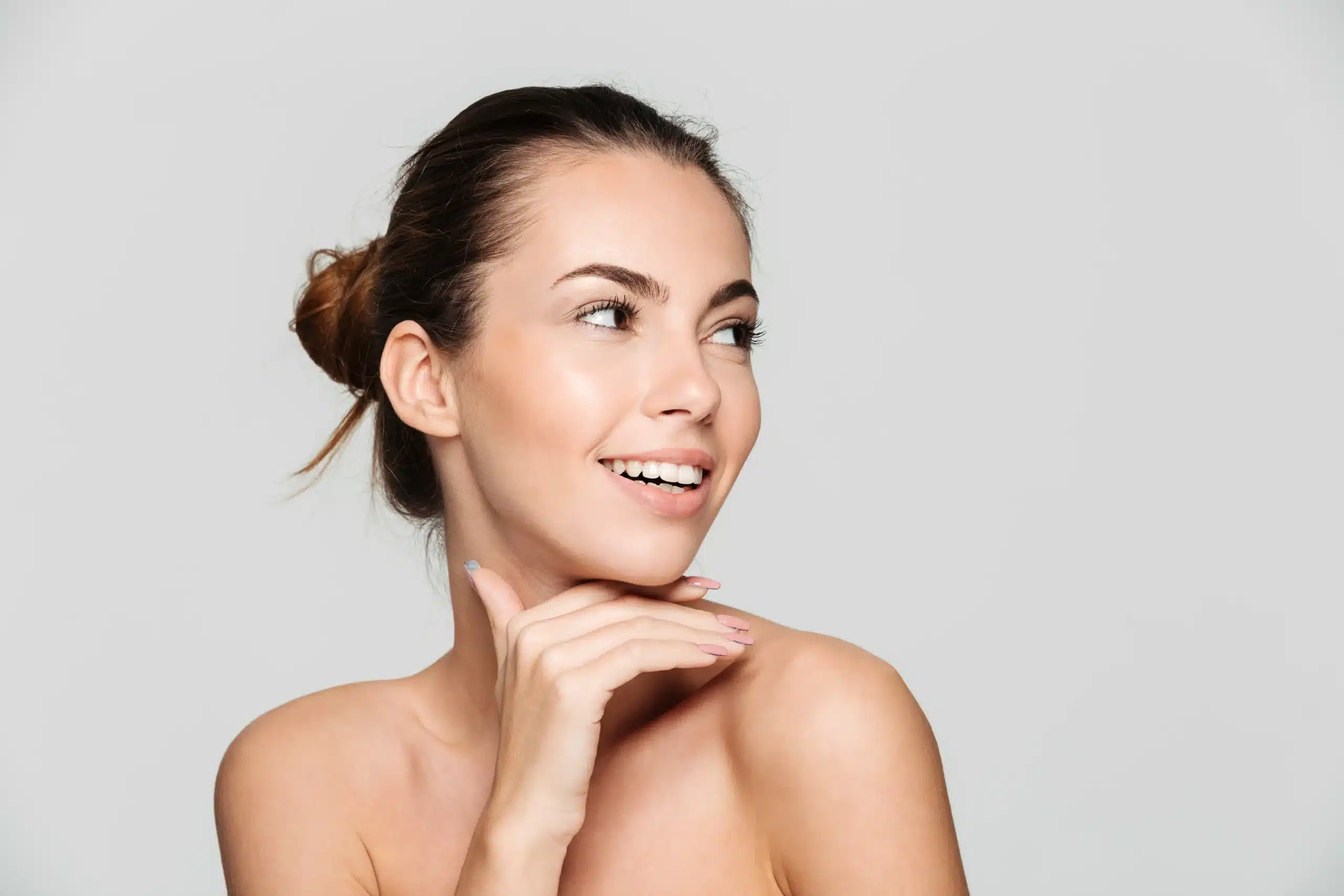
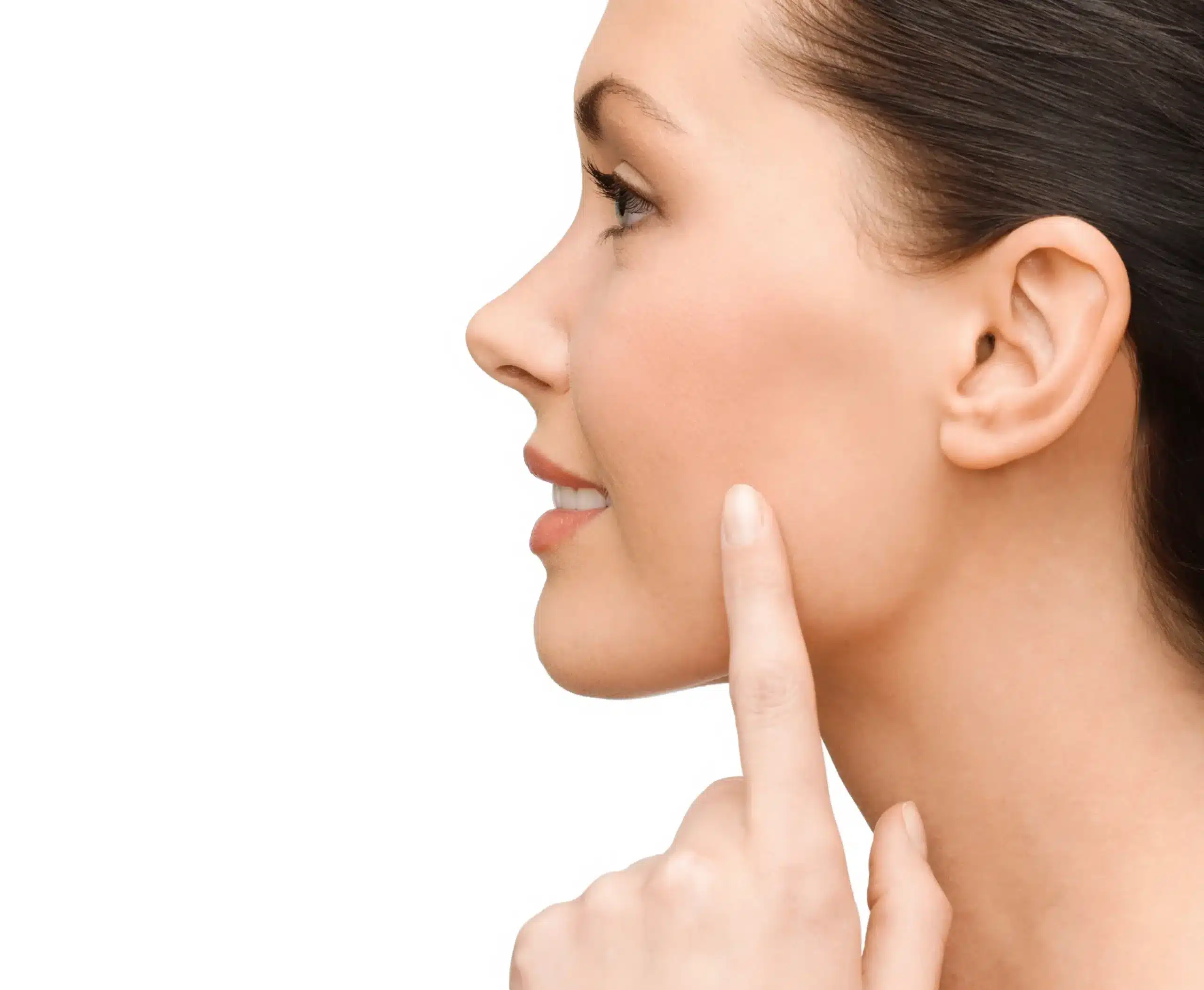
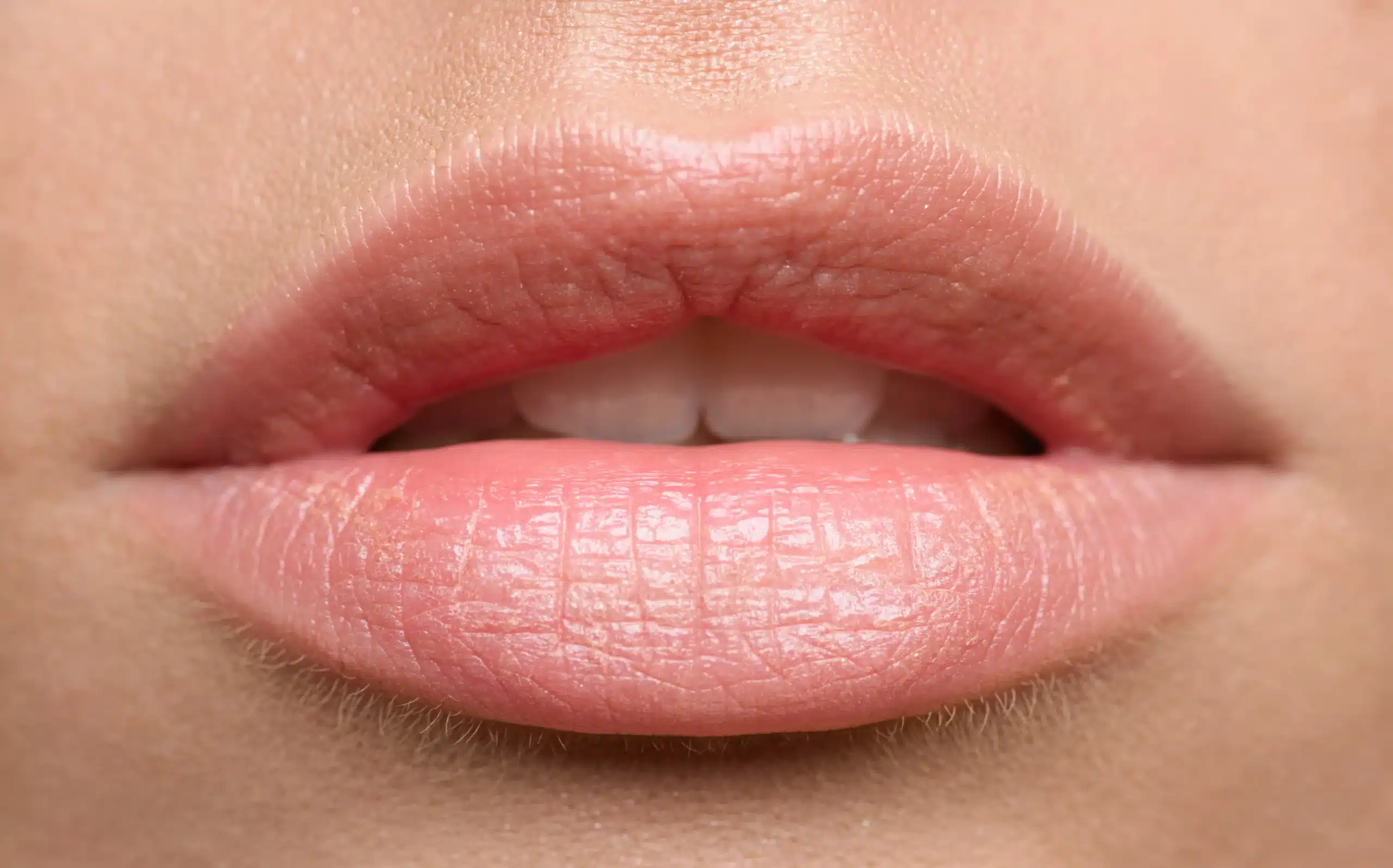

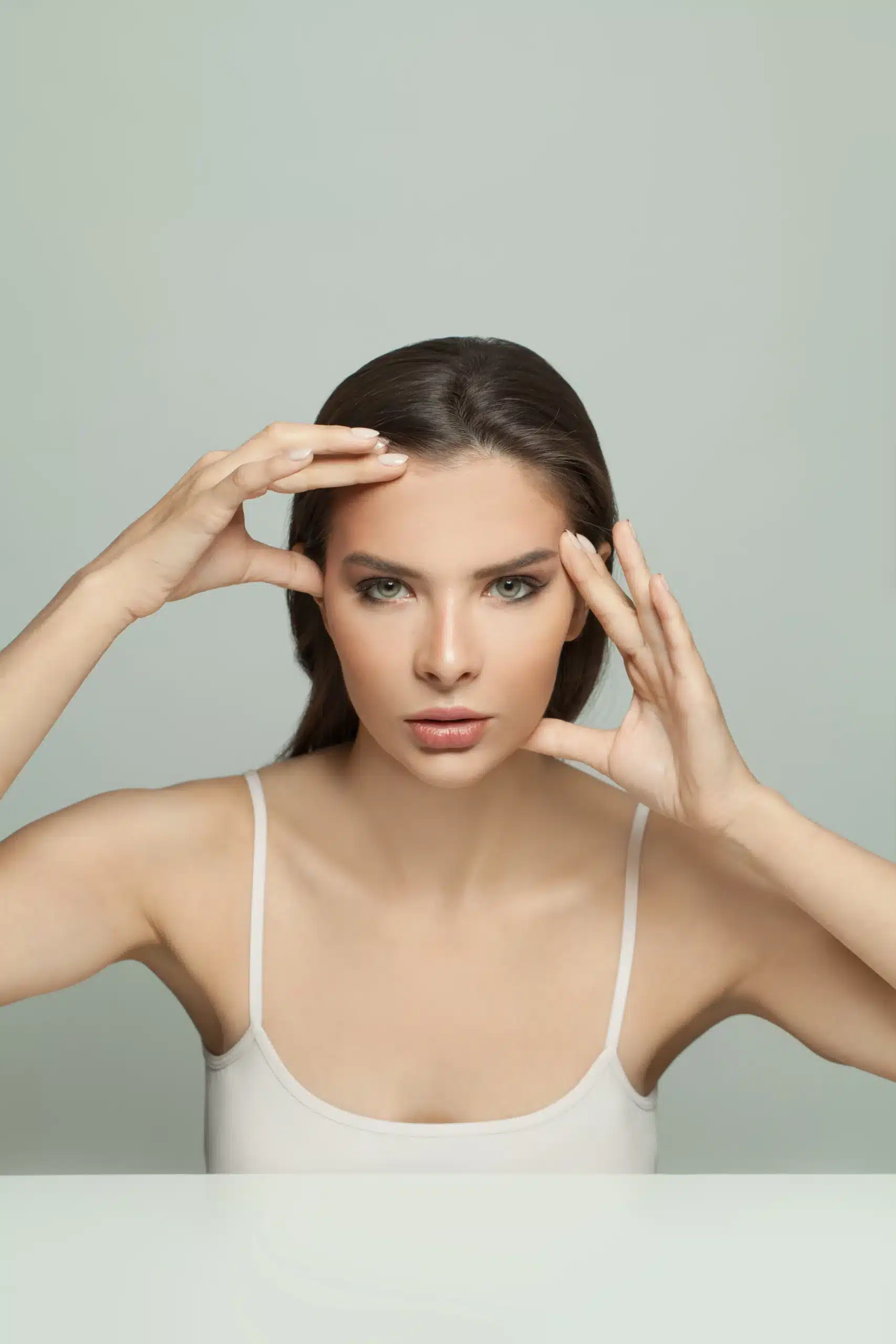
How to achieve an aesthetic face ?
Each face is unique and deserves particular attention. Facial concerns can be corrected without surgery, with lasting results and prevention of signs of ageing from the age of thirty.
However, acting early is essential to prevent and treat facial imperfections. Facial aesthetic medicine techniques effectively maintain a youthful, natural appearance by intervening before signs of ageing become too pronounced. A preventive, proactive approach is therefore essential. Starting aesthetic treatments early maximises their effectiveness. Results are not only more natural but also more lasting.
The condition of our face depends on many factors, including :
- General health : your overall health influences skin appearance.
- Lifestyle : a healthy lifestyle contributes to youthful skin.
- Genetics : your genetic background plays a crucial role in skin ageing.
- Weight : weight fluctuations can affect skin elasticity and firmness.
- Diet : a balanced diet is essential for healthy skin.
- Pace of life : stress and tiredness directly affect your face.
- Lifestyle habits : whether you smoke influences skin appearance.
- Sun exposure : the sun is one of the main factors in skin ageing.
- Pollution : the environment can worsen signs of ageing.
- Skincare : regular care is essential to maintain skin health.
Why choose a facial aesthetic treatment ?
Motivations are varied and personal, each procedure is adapted to the patient's specific needs :
- Reshaping facial contours for greater harmony.
- Treating wrinkles to remove signs of ageing and restore smoother, younger skin.
- Removing brown spots for a more even, radiant complexion.
- Removing dark circles for fresh, rested-looking eyes.
- Restoring lost facial volume.
Reasons for aesthetic medicine consultations evolve at different life stages. In younger adults, requests mainly concern improving skin quality, treating acne or scars and preventing the first age-related changes. Some also wish to reshape certain facial areas to improve symmetry, refine contours or correct mild imbalances without surgery.
At an older age, consultations often focus on reducing wrinkles, improving skin quality, correcting signs of time or restoring lost volume. The aim is a more rested, harmonious and better supported face while respecting the patient's identity.
Which aesthetic facial treatment ?

A wide range of aesthetic treatments meets different needs and goals. Here is an overview of the main treatments available to enhance your face :
- Botulinum toxin injections : used to reduce certain expression lines.
- Hyaluronic acid injections : used to fill wrinkles and hollows, restore and/or create volume (lips, cheekbones…), and hydrate the skin.
- Sculptra injections : a polylactic acid product used to restore volume, hydrate the skin and improve skin thickness.
The face : volume and harmony
The face has a sophisticated anatomical structure made up of bones, muscles, superficial and deep fat, supporting ligaments and dynamic skin tissue. Facial harmony depends on a constant balance between these different structures. A face perceived as aesthetically pleasing has even volumes, good skin quality and balanced contours. Aesthetic medicine procedures aim to restore these features when ageing, certain genetic factors or tissue changes affect them.
With age, several changes occur simultaneously. Bone density decreases, fat compartments lose volume, supporting ligaments become lax and the skin becomes dehydrated. Together, these changes gradually alter the face and encourage tissue sagging. Areas that were once full or gently rounded, such as the temples, forehead, cheeks, cheekbones or chin, become more hollow. These changes create shadows, reduce complexion radiance and give a tired appearance.
Aesthetic medicine techniques offer an appropriate response to these natural changes. Corrections are measured and respect the patient's identity. The aim is not to transform a face, but to restore its balance, softness and identity while maintaining a natural appearance consistent with the patient's age.
The forehead
The forehead plays an important role in facial harmony. Over time, it can lose its natural contours and appear flat or hollow. This changes the appearance of the eye area and can give a harsher or more tired look.
Hyaluronic acid injections restore forehead volume and curvature. The skin becomes more even, more radiant and visibly smoother.
Botulinum toxin can be used alongside this treatment to reduce excessive contraction of the forehead muscles responsible for horizontal wrinkles. The aim is not to freeze the face, but to achieve a relaxed, harmonious expression.
Combining hyaluronic acid and botulinum toxin provides a balanced result.
The temples
The temples play an essential role in balancing the upper third of the face. With age, they can become hollow and more noticeable. This changes facial shape and the eye contour area and can give a harsher or more tired appearance.
Hyaluronic acid injections replace lost volume. The forehead and temples regain natural continuity and the eye area looks softer. Treating the temples also improves eyebrow position, making the eyes appear more open.
This correction is often part of a comprehensive facial rejuvenation approach, as the temples are an important area that is easily overlooked.
The cheekbones
The cheekbones play an important role in facial balance. Their shape supports the eye area, structures the cheeks and contributes to the appearance of the middle third of the face. Over time, deep fat compartments diminish and bone is also resorbed. These changes cause a loss of projection and mild sagging.
Hyaluronic acid injections restore cheekbone volume and support the tissues without surgery. The face appears more vibrant, fresher and better structured.
Restored cheekbones also improve facial contours, reduce the hollow between the eyelid and cheek and make the skin look more radiant. The aim is not to transform the features, but to restore natural volumes and the patient's identity.
The cheeks
Cheek ageing results from several factors : a reduction in deep fat tissue, tissue displacement and loss of skin elasticity. These changes can accentuate nasolabial folds, give a tired appearance and alter facial contours.
Hyaluronic acid injections restore cheek volume and improve density. Measured cheek restoration prevents facial sagging from worsening and improves facial contours.
The skin appears firmer, hollow areas become less noticeable and the face regains its youthful curves. This treatment can also be offered preventively, before hollowing becomes too pronounced.
The chin
Aesthetic medicine now places increasing importance on the chin, as it directly contributes to profile balance (medical profiloplasty). A chin that is too short, too recessed or slightly asymmetrical alters harmony in the lower third of the face. Hyaluronic acid injections improve its projection, redefine its contours and create natural continuity between the lower lip, chin, jawline and neck. Appropriate correction makes the face more balanced, improves the profile and enhances the jawline.
The nose
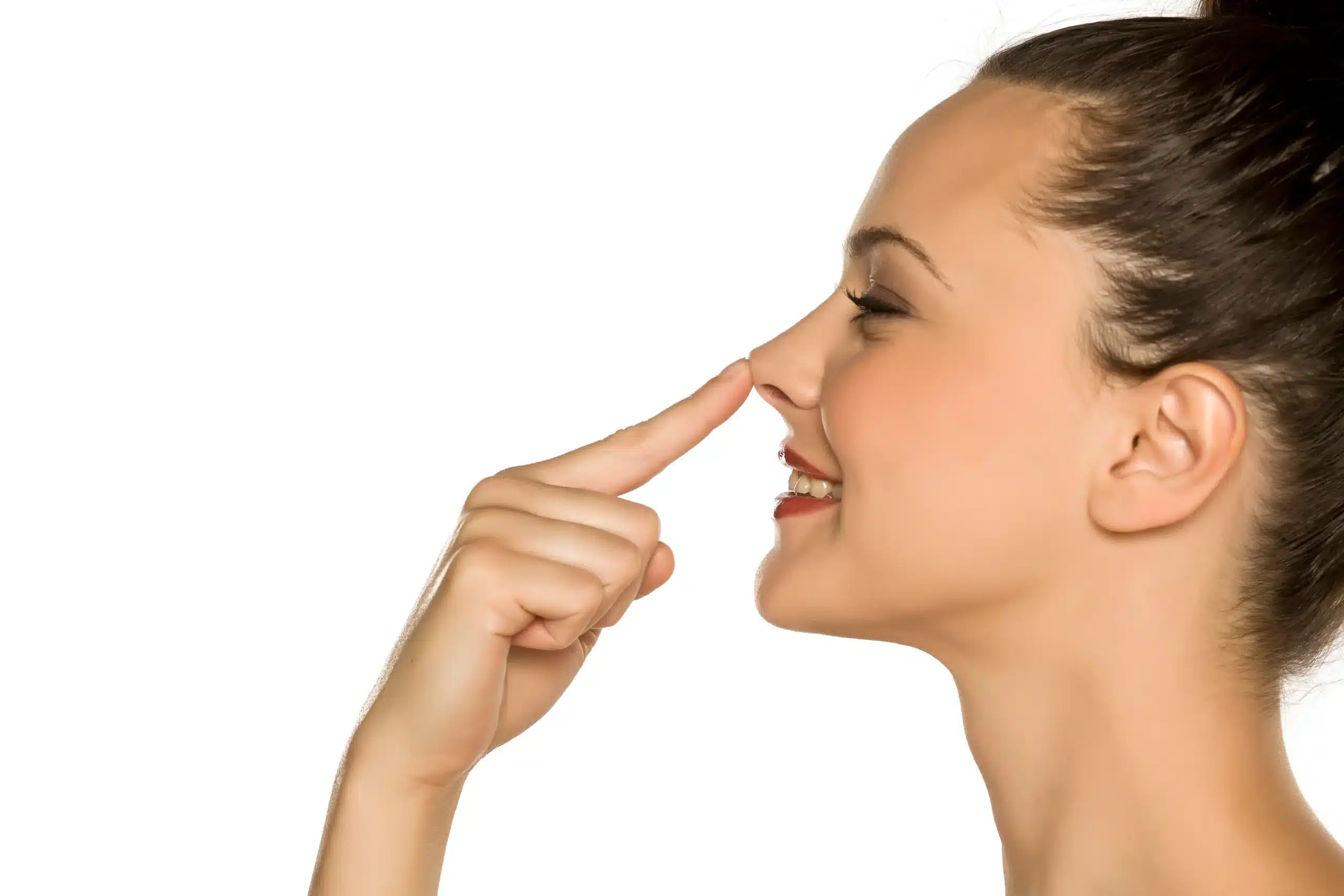
Nonsurgical rhinoplasty corrects certain nasal imperfections without surgery. Hyaluronic acid injections can smooth a small hump, lift the tip or harmonise the profile. This method does not replace surgical rhinoplasty when the problem is structural, but it effectively addresses many aesthetic concerns.
The result is immediate, natural and consistent with facial structure. This approach is reversible and allows precise correction tailored to each patient's wishes.
The lips
The lips are essential to facial expression. With age, they can lose volume, become drier or show slight asymmetry. Hyaluronic acid injections hydrate the lips and redefine their contours. The aim is not an exaggerated increase in volume, but to restore a natural, balanced shape.
Facial hollowing
With age, several areas of the face can become hollow at the same time. The temples, cheeks, cheekbones, eye contour and sometimes the chin become more hollow. These depleted areas create shadows and give a tired or sagging facial appearance.
Hyaluronic acid injections can be performed in several facial areas during the same treatment. The aim is to restore lost volume, increase skin density and reduce shadowed areas. The face regains fullness and looks more radiant.
A comprehensive approach is essential. A single area should not be corrected without considering the rest of the face. Treatment must respect the patient's facial shape, expression and age. This approach avoids an artificial appearance and ensures a natural, harmonious result.
Frequently asked questions about facial rejuvenation in Geneva
What are the main goals of facial aesthetic medicine ?
Facial aesthetic medicine aims to enhance the face and reduce its tired appearance by softening signs of ageing, harmonising features and revitalising the skin without surgery.
At what age can one start aesthetic-oriented medicine for the face ?
There is no fixed age to start. Some patients choose preventive treatments from their thirties, while others wait for visible signs of ageing to appear.
What is the difference between facial aesthetic medicine and cosmetic surgery ?
Aesthetic medicine offers non-invasive or minimally invasive treatments, such as injections or peels, without general anaesthesia or hospitalisation. Cosmetic surgery involves more extensive procedures requiring anaesthesia and a longer recovery period.
Are aesthetic-oriented medicine procedures for the face painful ?
Most facial aesthetic medicine treatments cause little pain. Local or topical anaesthesia is often used to ensure patient comfort.
Does aesthetic-oriented medicine for the face carry risks ?
Although treatments are generally safe, minor side effects such as temporary redness or bruising can occur. Consulting an experienced doctor is essential to minimise these risks.
How to choose your doctor for aesthetic procedures in Geneva ?
When choosing a doctor in Geneva, check their qualifications and experience and read patient reviews. Make sure they are listed in the Swiss medical register and practise in a recognised clinic.
Articles about facial rejuvenation
- Why choose a facial aesthetic treatment ?
- How to achieve an aesthetic face ?
- At what age can facial aesthetic medicine treatments begin ?
- What are the main goals of facial aesthetic medicine ?
- What are the most popular treatments in facial aesthetic medicine ?
- What is the difference between aesthetic medicine and cosmetic surgery for the face ?
- What results can facial aesthetic medicine achieve ?
- Which signs of ageing can aesthetic medicine treat ?
- Which facial aesthetic treatments do not involve injections ?
- Are aesthetic medical procedures for the face painful ?
- Does facial aesthetic medicine carry risks ?
- How to choose your doctor for aesthetic procedures in Geneva ?