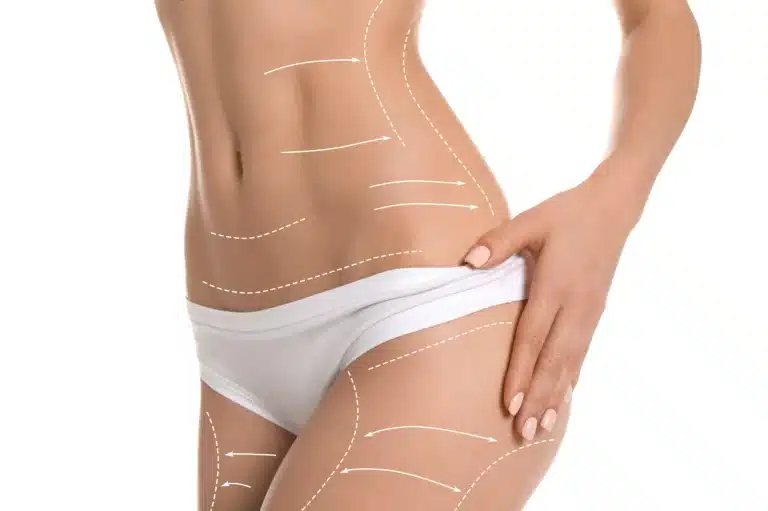
What is fractional ablative laser ?
Fractional ablative laser is a skin resurfacing laser that creates thousands of microscopic treatment zones within the skin while leaving healthy skin between them. This technology allows controlled vaporisation of part of the epidermis and dermis while preserving much of the surrounding tissue. Untreated areas accelerate healing and reduce recovery time compared with continuous ablative lasers, which treated the whole skin surface.
Treatment triggers a natural skin repair process, with gradual production of collagen and elastin. Over the following weeks, the skin renews itself, wrinkles diminish, scars improve, skin texture is refined and skin becomes denser.
How does a laser work in
fractional laser ?
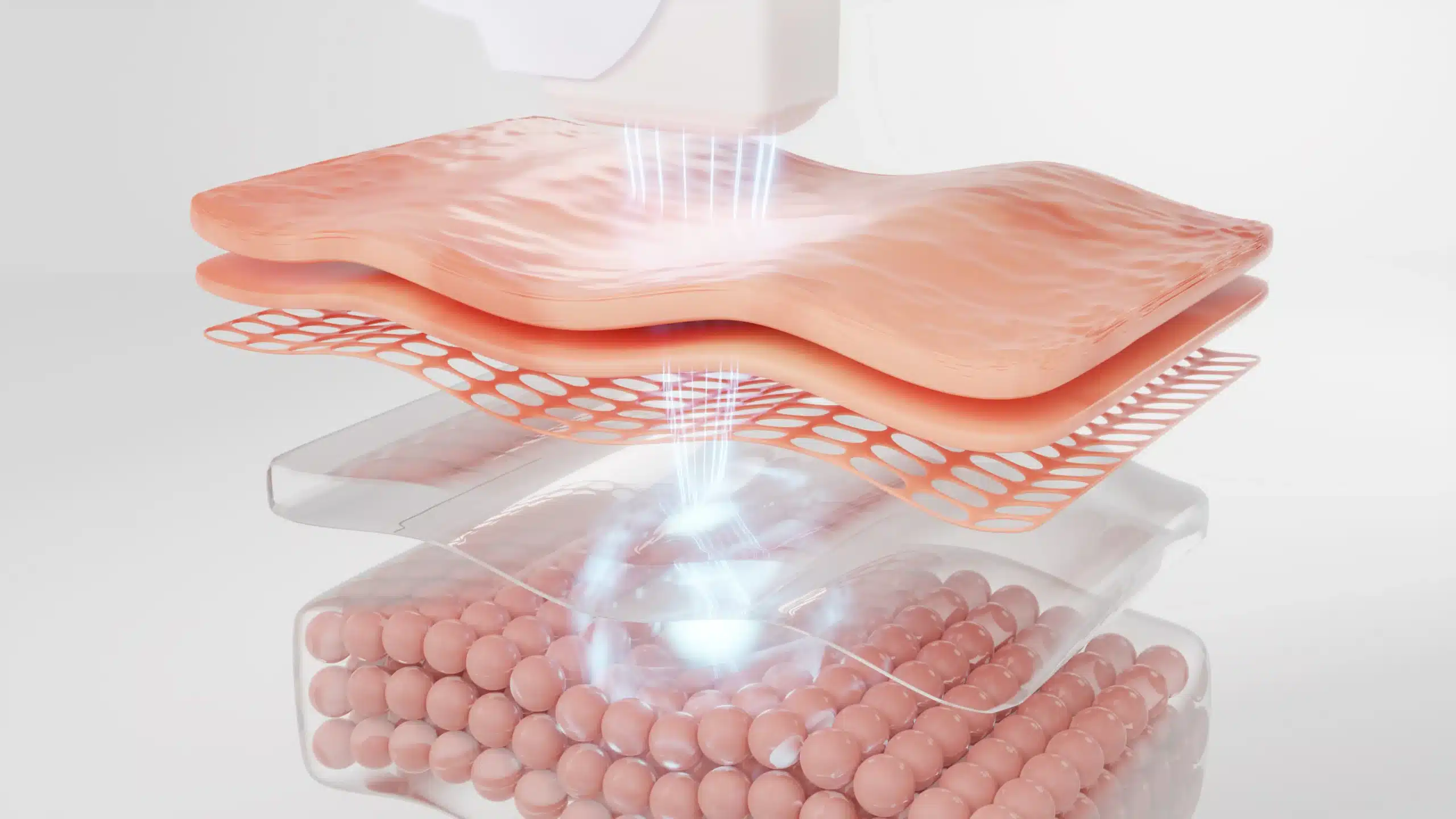
Fractional ablative laser has a dual mechanism of action.
- Skin vaporisation : ablation of microscopic columns of skin stimulates skin cells to synthesise denser skin.
- Heat production : the laser beam generates heat as it passes through the skin. This temperature increase contracts collagen fibres and further stimulates skin synthesis.

Which laser can remove wrinkles ?
Several types of laser can remove wrinkles, each with its own advantages and suitability depending on wrinkle depth, indication and skin type.
The choice of laser depends on several factors : wrinkle depth and severity, skin type, expected results, indication and whether social downtime is possible.
Dr Romano can recommend the treatment best suited to your needs and explain the benefits and drawbacks of each option.
A personalised treatment plan will ensure the best results.
Fraxel Dual laser
- This laser uses fractional technology to create microscopic thermal damage in the skin, stimulating collagen production.
- Effective for fine to moderate wrinkles, this laser also improves skin quality and reduces pigmentation.
- Recovery time is relatively short.
- Ideal for patients seeking an overall improvement in skin quality and firmness with minimal downtime.
Fractional CO2 Laser
- This laser emits beams of light that penetrate deep into the skin, vaporising damaged superficial layers and stimulating substantial collagen production.
- Highly effective for deep wrinkles and scars. It produces dramatic skin rejuvenation results.
- Ideal for patients with deep wrinkles who accept a longer recovery period (up to two weeks).
Erbium YAG laser
- This laser removes superficial skin layers more gently than CO2 laser, with less thermal damage.
- Effective for fine to moderate wrinkles and superficial imperfections. The risk of post-inflammatory pigmentation and scarring is low.
- Ideal for patients with moderate wrinkles, acne scars or stretch marks, and patients with darker skin.
Nd-Yag laser
- The laser beam penetrates deep into the skin, heating underlying tissues to stimulate collagen production without damaging the skin surface.
- Advantages : non-ablative, so no recovery time.
- This laser can complement other treatments to improve their results.
- Ideal for patients with mild wrinkles seeking treatment without social downtime.
Contraindications
Respecting contraindications is essential to treatment safety and effectiveness. Contraindications are :
- Local lesions or infection.
- Taking photosensitising medicines or anticoagulants.
- Pregnancy and breastfeeding.
- Healing disorders.
- A tan or recent sun exposure.
- Sunny periods. A laser session can be performed when it is sunny, but this is not recommended.
- Phototypes V and VI.
- A history of keloids or hypertrophic scars.

Which areas can be treated with
fractional laser ?
Fractional ablative laser is used to treat various areas of the body and face.
- Face : improving skin quality and reducing wrinkles.
- Neck : skin firming and rejuvenation.
- Décolletage : reducing signs of ageing and evening skin tone.
- Hands : reducing brown spots and signs of ageing.
- Face and back : acne scar treatment.
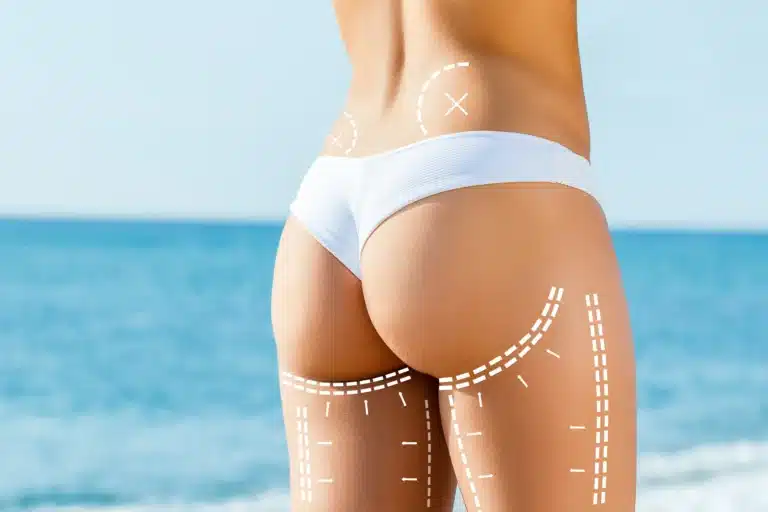
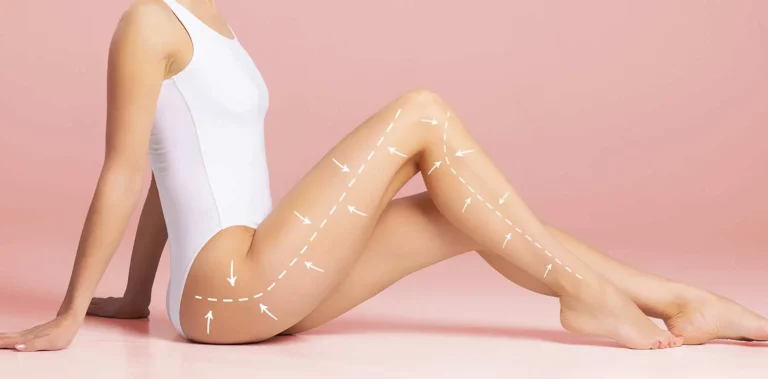
- Abdomen, thighs, calves, hips and any body area : improving stretch marks.
What are the indications for
resurfacing laser ?
In Geneva, Dr Romano uses fractional laser for several indications.
- Scars, particularly acne scars.
- Stretch marks.
- Improving skin texture and tightening enlarged pores.
- Improving wrinkles and fine lines.
- Treating photoageing and sun-induced pigmentation (spots).
- Melasma treatment.
- Loose skin : stimulating collagen production for firmer, more toned skin.
- Preventing skin ageing by increasing skin density.
- Removal of skin lesions.

What happens during the session : smoothing
the skin with fractional laser
The laser session is preceded by a consultation during which Dr Romano checks for contraindications and confirms that the patient is a good candidate.
An anaesthetic cream is applied one hour before the session. The eyes are protected with shields. Settings are chosen according to skin type and the desired result.
Several parameters are established : delivered energy, spot size, percentage of spot overlap, pulse duration and frequency.
This complexity of settings explains differences in results (and side effects) between doctors.
The session of fractional laser lasts approximately twenty minutes.
Is fractional laser painful ?
Treatment is not painful. The patient feels warmth and tingling during the session. An anaesthetic cream is often applied to the treatment area one hour beforehand.
What precautions are needed for fractional laser ?
Before the session
- Stop exfoliating products and acne creams during the 3 weeks before the session.
- Stop applying self-tan during the 3 weeks before the session.
- Apply the cream prescribed by your doctor during the 3 weeks before the session. This aims to reduce the occurrence of rebound pigmentation after laser treatment.
- Avoid sun exposure during the 2 months before the session. Treatment cannot be performed on tanned skin.
After the session
- Apply a healing cream as often as possible for ten days.
- Avoid sun exposure for at least 2 months.
- Avoid swimming pools, seawater, saunas, steam rooms and anti-inflammatory medicines for 2 weeks.
Side effects of laser in
fractional mode

The main side effects are :
- A burning or heat sensation : immediately after the session, a sensation similar to sunburn may occur.
- Redness and swelling : these symptoms are common and generally disappear within a few days.
- Skin peeling in the days after treatment, indicating cell regeneration.
- Temporary hyperpigmentation or hypopigmentation (lasting from a few days to a few months), particularly in patients with dark skin.
- Skin infections if aftercare recommendations are not followed correctly.
Before / after results with laser in
fractional ablative mode

Fractional ablative laser is an advanced aesthetic medicine technique with remarkable results that become visible fairly quickly. They appear 3 to 8 weeks after the session and are optimal after 3 to 6 months.
- Improved skin quality : the skin becomes smoother and more even.
- Reduced wrinkles and fine lines.
- Treatment of skin ageing.
- Scar reduction : effective for acne scars and all types of scars.
- Reduction of stretch marks.
- Reduction of brown spots and pigmentation.
How long do the results last ?
The beneficial effects of fractional ablative laser, such as improved skin quality and reduced wrinkles, can last several years. An annual maintenance session is recommended.
For scars and stretch marks, results are lifelong, although a maintenance session every five years is recommended.
How many fractional laser sessions are needed ?
During the initial consultation, Dr Romano can examine your skin, discuss your expectations, propose a treatment plan suited to your needs and advise how many sessions are required.
The number of sessions needed for optimal results depends on :
- The indication
- Wrinkles and fine lines : generally, 3 to 5 sessions spaced 4 to 6 weeks apart are recommended for a significant reduction.
- Acne scars : acne scars may require 4 to 6 sessions depending on their depth and extent.
- Brown spots and pigmentation : 2 to 4 sessions may suffice to improve lentigines and hyperpigmentation.
- Skin quality and enlarged pores : 3 to 5 sessions are often needed for a noticeable improvement.
- Individual response to treatment
- Everyone responds differently. Some patients may achieve significant improvement after just 1 or 2 sessions, while others need several sessions.
- The condition of the skin
- Healthy skin : treatment is for maintenance and prevention. 1 session per year is sufficient.
- Damaged skin : if the skin has significant damage such as deep wrinkles or severe scars, more sessions (4 to 6) may be necessary.
Does laser reduce
wrinkles ?
Fractional ablative laser is an extremely effective method for reducing wrinkles. By removing microscopic channels of skin, it stimulates skin cells to produce collagen and elastin, proteins essential for firmness and elasticity. Through this mechanism, fractional ablative laser smooths wrinkles and fine lines, improves skin quality and gives it a younger, revitalised appearance. Results are visible after a single session, although several treatments may be needed for optimal results.
Does laser damage the skin ?
Fractional ablative laser is designed to improve skin safely and in a controlled way, but like any medical procedure, it can cause temporary side effects. Redness, swelling and peeling are normal after treatment. These reactions reflect skin healing and regeneration.
The skin will not be damaged. The risk of scarring or permanent damage is very low when a trained, experienced doctor performs treatment.
It is essential to follow Dr Romano's aftercare recommendations to prevent side effects.
What is the difference between fractional laser and radiofrequency in
fractional mode ?

Fractional ablative laser and fractional radiofrequency are two aesthetic medicine technologies with different mechanisms of action and different results.
Fractional ablative laser uses light beams to create microscopic perforations in the skin, stimulating collagen production and rapid skin tissue regeneration. This technique is particularly effective for deep wrinkles, acne scars and skin quality. Results are visible after one session, with relatively short recovery time.
Fractional radiofrequency uses electromagnetic waves to heat the deep skin layers without damaging the surface. This heat stimulates collagen and elastin production, firming the skin and reducing wrinkles and fine lines. This method is often offered to patients seeking a non-ablative solution with minimal recovery time. It is particularly effective for skin firming and treating darker skin.
The choice between fractional ablative laser and fractional radiofrequency depends on the patient's specific needs and treatment goals. Fractional ablative laser is ideal for significant improvement in a single session, whereas fractional radiofrequency requires several sessions.
How much does ablative laser treatment cost in Geneva ?
An ablative laser session in Geneva costs approximately 900 CHF. This varies according to several factors, including the treatment surface, the laser used (fractional CO₂, Erbium, Erbium:Yag, Fraxel or continuous CO₂) and the complexity of the indication (deep wrinkles, scars or extensive skin resurfacing). A full protocol may include several sessions spaced 2 or 3 months apart.
The cost of ablative laser treatment always includes rigorous medical care, a preliminary dermatological assessment, use of a latest-generation medical laser and follow-up after the procedure. It is not simply a technical act, but a dermatological intervention requiring expertise, a personalised technique and optimal safety.
An initial consultation is essential to establish an appropriate treatment plan and a precise quotation based on each patient's specific needs.
Fractional ablative laser reviews
Many patients describe significantly improved skin density and quality after just a few sessions, with a visible reduction in wrinkles, acne scars and pigmentation. Patients also appreciate the durability of results.
Doctors praise this technology for its precision and effectiveness, allowing precise targeting of treatment areas while preserving surrounding tissues. Feedback indicates that, although recovery can be uncomfortable, the results are well worth it.
However, the doctor must be experienced to achieve optimal results and avoid complications.
Medical references on fractional laser and skin resurfacing
- Fractional CO2 laser is a skin resurfacing technology that creates microscopic ablation zones to trigger repair, with new collagen production and gradual improvement in skin quality. (Journal of the American Academy of Dermatology).
- Scientific studies available on PubMed Central show that fractional ablative lasers are used to treat photoageing, wrinkles and certain scars through controlled dermal remodelling.
- The American Society for Dermatologic Surgery describes laser resurfacing as a dermatological procedure aimed at improving visible signs of ageing, texture irregularities and certain skin imperfections.
- Research published in Lasers in Surgery and Medicine analyses the medical applications of dermatological lasers, their settings and their role in skin regeneration.
Frequently asked questions about ablative laser
What is the best laser for scars ?
Fractional ablative CO2 and erbium lasers are considered the best lasers for scars, particularly acne scars. They specifically target damaged areas while preserving surrounding tissues. Results are lasting and visible.
What is the best laser for the face ?
It all depends on the aesthetic concern being treated and the desired results.
- Fraxel laser : ideal for skin rejuvenation, acne scar treatment and improving skin quality.
- CO2 laser : highly effective for deep wrinkles, scars and age spots, but recovery time is fairly long.
- Erbium laser : less aggressive than CO2, it is indicated for wrinkles and superficial imperfections, with shorter recovery than CO2.
How long do Fraxel laser effects last ?
Fraxel treatment effects can last from several months to several years, depending on skin type and the condition treated.
Maintenance sessions may be needed to preserve results.
Is there social downtime after fractional ablative laser ?
Yes, social downtime is needed after fractional ablative laser. Allow between 5 and 7 days for the skin to heal sufficiently to resume normal social activities comfortably.
What is the skin like after Fraxel treatment ?
After Fraxel treatment, the skin may be red and slightly swollen, as after sunburn. Redness can last a few days, after which the skin begins to peel. Warmth or tingling may also be felt during healing.
Is ablative laser good for the face ?
Yes, laser can be very beneficial for the face. It treats various skin concerns : wrinkles, age spots, acne scars and texture irregularities. However, consulting an experienced doctor is essential to identify the most appropriate laser and obtain visible results without side effects.
Is ablative laser effective for acne scars ?
Yes, ablative laser is very effective for treating acne scars.
How does Fraxel laser work ?
Fraxel laser creates tiny columns of microscopic thermal damage in the skin. This stimulates collagen production and cell regeneration.
Is Fraxel laser painful ?
Fraxel laser treatment can be slightly painful. The sensation is often described as tingling or mild burning. An anaesthetic cream is generally applied before the session to minimise discomfort. After treatment, skin may remain tender and red for a few days.
How long is recovery after ablative laser treatment ?
Recovery depends on the intensity of the settings and skin type. Generally, allow one to two weeks for complete healing. During this period, skin may peel and fine crusts may develop.
Which skin concerns does ablative laser treat ?
Ablative laser effectively treats various skin concerns.
- Wrinkles and fine lines.
- Acne scars.
- Age spots and sun spots.
- Irregularities in texture and skin tone.
Which cream should be used after Fraxel laser ?
- A gentle, non-comedogenic moisturiser to soothe and hydrate skin.
- A repair cream to accelerate healing : creams containing repairing ingredients such as panthenol or centella asiatica.
- Sun protection.
Which laser rejuvenates the face ?
Fractional CO2 and fractional erbium lasers are ideal for gentle facial rejuvenation. Continuous CO2 and continuous erbium lasers are indicated for more substantial rejuvenation.
Why choose laser rejuvenation ?
Because it is an effective, quick treatment with short recovery time for reducing wrinkles and scars and improving skin quality.
How long should you wait between 2 fractional laser and CO2 laser sessions ?
An interval of 4 to 6 weeks must be respected between sessions.
Why is fractional laser not working on my face ?
This may be due to unrealistic expectations, an inappropriate indication, incorrect laser settings chosen by the doctor or imperfect performance of the session (again related to the doctor performing the procedure).
Which skin types suit fractional CO2 laser ?
This laser mainly suits fair to medium-light skin (phototypes I to IV), but an experienced doctor can also use it on darker phototypes (V and VI).
How can I tell whether fractional laser treatment is effective ?
You will notice visibly improved skin quality and fewer wrinkles after a few weeks.
At what age can fractional laser and CO2 laser be started ?
From age 30 to treat and prevent the first signs of ageing.
When can I go in the sun after fractional laser and CO2 laser ?
Wait at least 4 weeks and use high sun protection.
Can fractional laser and CO2 laser be performed in summer ?
It is preferable to avoid summer because of the risk of hyperpigmentation.
However, fractional laser can be performed in summer.
Why should exercise be avoided after fractional laser and CO2 laser ?
Sweat can irritate treated skin and increase the risk of infection and complications.
When can I exfoliate after fractional laser and CO2 laser ?
Wait at least one month before gentle exfoliation.
Which laser firms the skin ?
Fractional CO2 and erbium lasers are excellent for skin firming.
How can I keep skin firm at 50 ?
Use suitable skincare, maintain good hydration and have treatments such as fractional laser.
When should fractional laser and CO2 laser not be performed ?
Fractional laser cannot be performed when contraindications are present or on tanned skin, and should be avoided during sunny periods.
How should skin be cleansed after fractional laser and CO2 laser ?
During the first week, it is advisable to use only bottled water. Then, for one month, use a gentle alcohol-free cleanser and moisturise well. Exfoliation and scrubs should be avoided for two months.