
The evolution of female beauty ideals in Asia
Asia has a rich history of aesthetic aspirations shaped by culture, religion and dynasties. These ideals of female beauty have evolved over the centuries in response to social, economic and cultural changes.
Beauty ideals reveal much about cultural values and social aspirations. Treatments must therefore be adapted to each patient's cultural background.
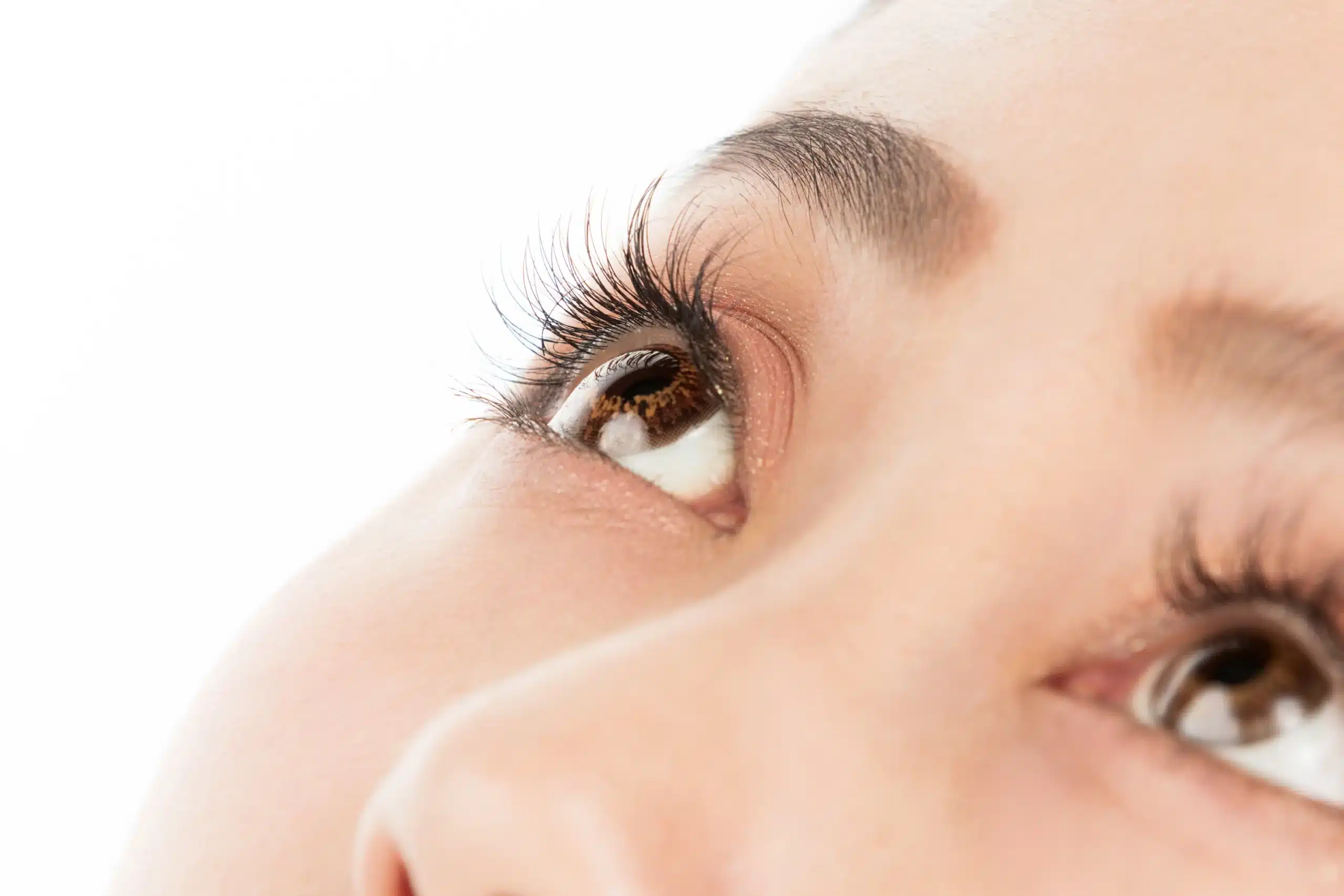 Asian eye
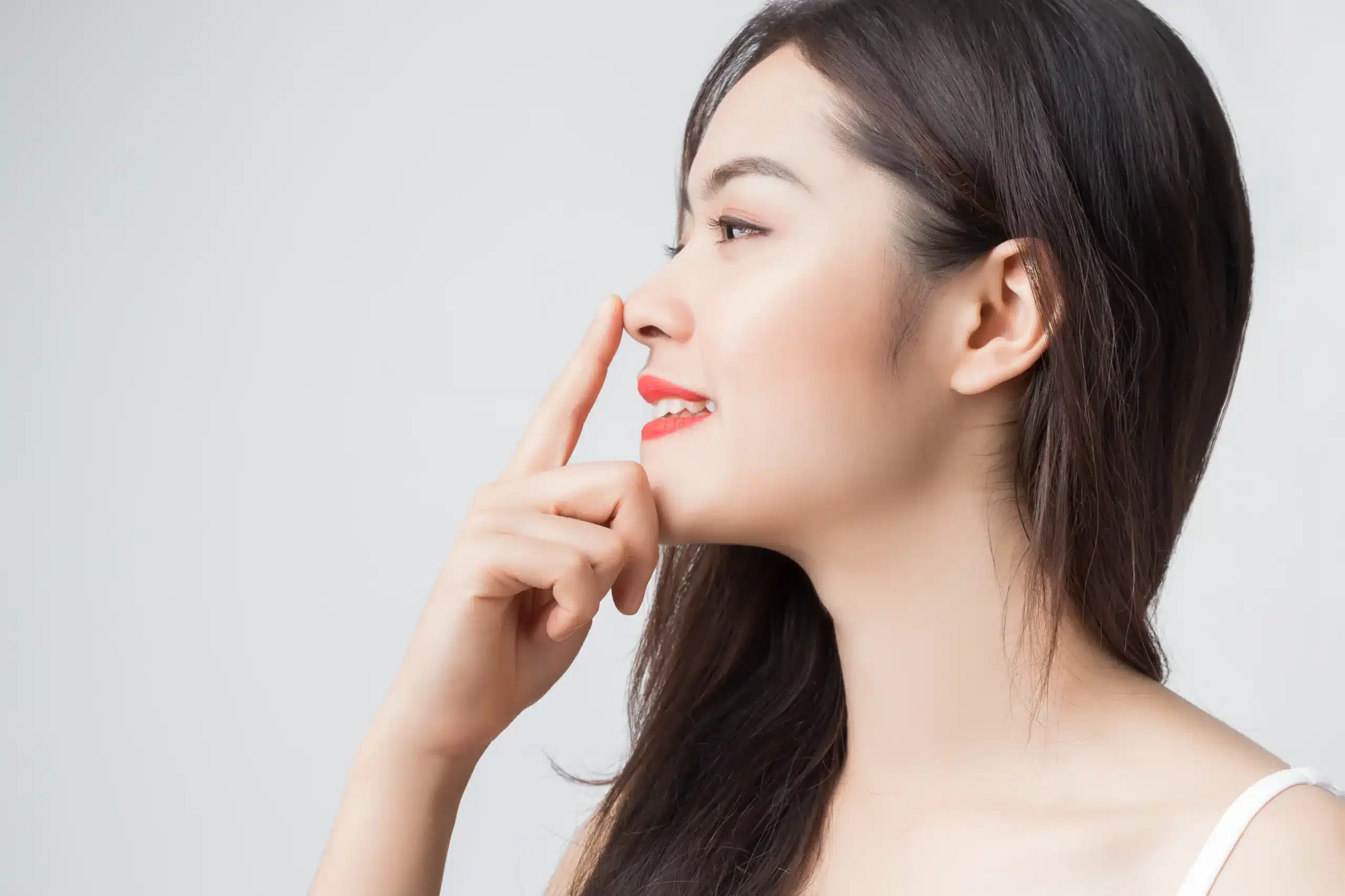 Asian nose
 Westernisation of the Asian face
 Heart-shaped face
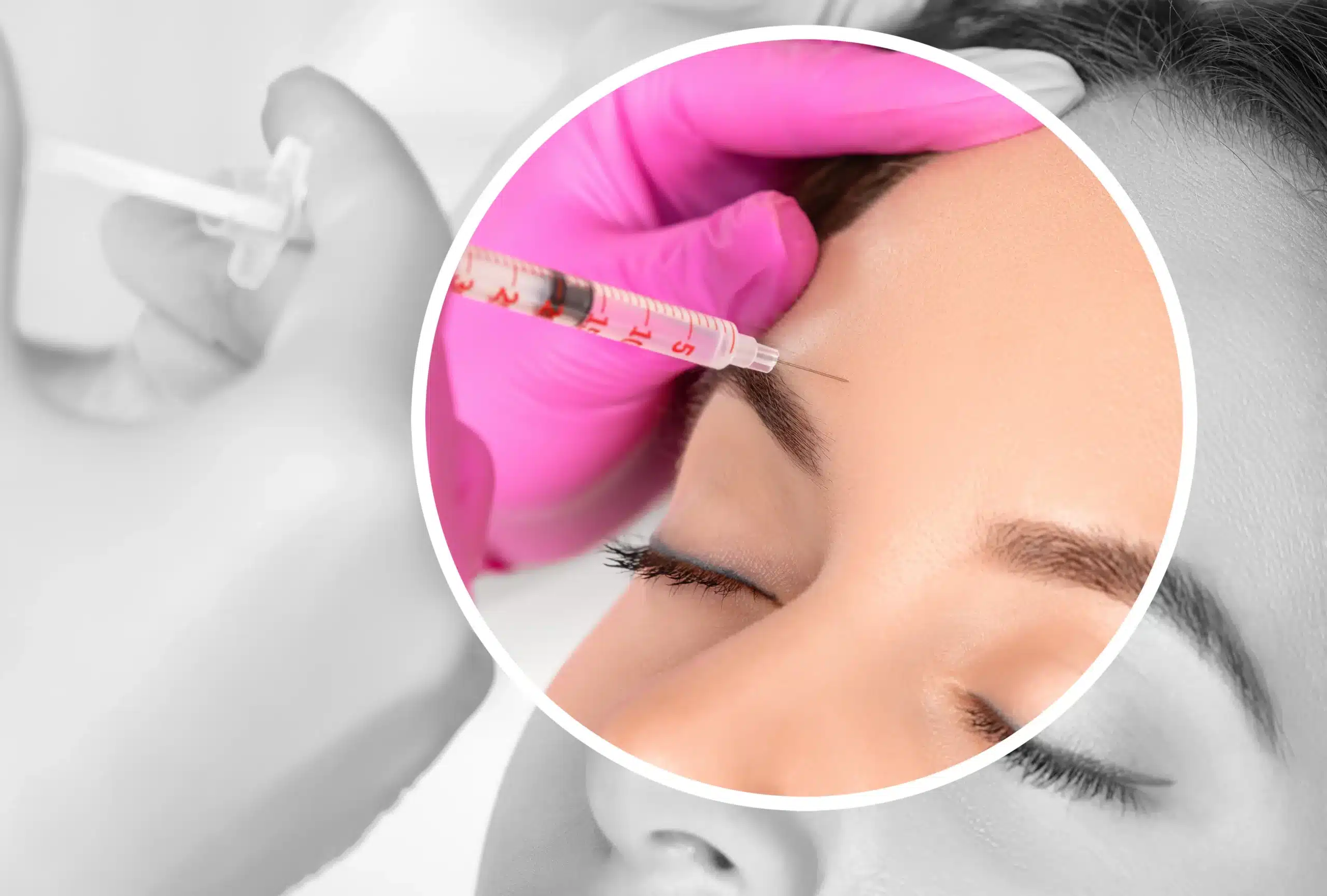 Asian eyebrow
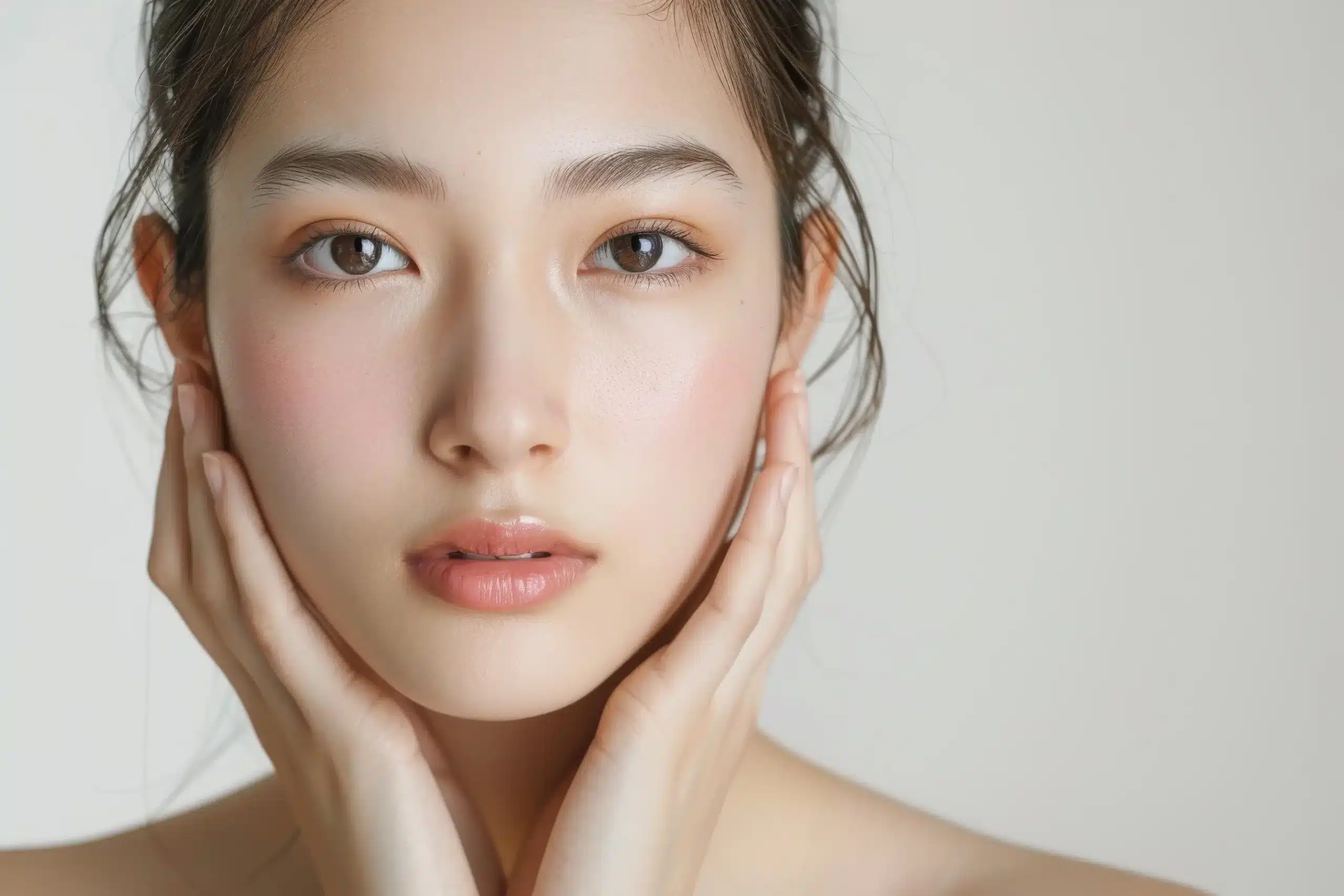 Korean goddess skin
Traditional beauty and the influence of dynasties
• Ancient China : female beauty in China was once defined by gentleness and elegance. During the dynastic period, the ideal woman often had pale skin, symbolising purity and high social standing, and delicate features. Slimness and grace were also prized, as were small hands and feet. Upper-class women even practised “foot binding” to signify their status and adherence to the social norms of the time.
• Korea and Japan : in cultures such as Korea and Japan, modesty and reserve remained central values for a long time, reflected in beauty standards. Women were often admired for their fair skin, long, straight hair and fine, even childlike features, symbolising youth and innocence.
Modern times and Western influence
• Standardisation of features : with Westernisation, particularly after the wars and the opening of trade, Asian culture was influenced by Western beauty ideals. Pale skin remained an ideal, but new criteria emerged, including large eyes (with or without surgery to create an eyelid crease) and a more prominent nose.
• Celebrities and the media : in recent years, beauty standards in Asia have also been shaped by celebrities and K-idols. Slimness, youth and sometimes “androgynous” features are popular, symbolising youth and modernity.
Beauty ideals in China today
Beauty ideals in modern China combine traditional heritage with global influences. They often emphasise :
• Pale, blemish-free skin : fair skin remains highly valued because of its association with purity and higher social status.
• Petite stature and slimness : slimness has become an essential standard, to the point that maintaining a very slim figure is seen as a sign of discipline and elegance.
• Large eyes and delicate features : many women in China have aesthetic procedures to enlarge their eyes, create an eyelid crease and soften facial features.
• V-Line : the “V-Line”, a pointed chin and V-shaped face, is a beauty ideal in China, and many aesthetic procedures aim to achieve this shape.
Beauty ideals in Switzerland and Europe
In Switzerland and Europe, ideals of female beauty differ from Asian ideals in several respects.
• Naturalness and authenticity : in Switzerland, beauty ideals favour a harmonious appearance. Swiss and European women often seek natural beauty.
• Healthy, lightly tanned skin : unlike the pale skin ideals popular in Asia, lightly tanned skin is often appreciated in Europe as a symbol of vitality and health.
• An athletic body and natural curves : in Europe, female beauty is associated with a naturally curvaceous, athletic figure. The ideal of female beauty often moves away from extreme thinness.
• Highlighting unique features : unlike the Asian ideal of fine, youthful features, Europeans favour distinctive features that characterise each person and make them different and unique.
What are the risks of aesthetic treatments for Asian skin ?
Asian skin is more susceptible to post-inflammatory hyperpigmentation, hypertrophic scarring and inflammatory reactions. It is therefore essential to use gentle, tailored techniques with specific products and avoid overly aggressive treatments. A personalised assessment helps minimise risks and adapt treatment.
Are there specific aesthetic medicine techniques for correcting facial asymmetry in Asian patients ?
Yes, specific techniques such as hyaluronic acid injections are used to correct asymmetry without making the features look heavier. These methods balance volume, redefine facial contours and correct subtle differences while respecting the natural structure of the Asian face.
How can redness and sensitivity in Asian skin be treated ?
Gentle, soothing treatments are recommended for redness and sensitivity, such as LED treatments, light peels and moisturising skincare rich in soothing ingredients. Gentle lasers, such as the Nd:YAG vascular laser, can also target redness without irritating the skin.
Can facial contours be redefined without making Asian facial features look heavier ?
Yes, facial contours can be redefined without making the features look heavier using hyaluronic acid injections and techniques such as lifting with injections and laser. The aim is to firm and reshape the contours while preserving delicate features for a natural, harmonious result.
Is cryolipolysis effective for slimming the face and body in Asian patients ?
Yes, cryolipolysis is effective in Asian patients for targeting excess localised fat on the face (double chin) and body. This noninvasive technique destroys fat cells through cooling, producing gradual, natural slimming. A personalised protocol is essential to optimise results according to body shape.