Which radiofrequency treatment is best ?
Several radiofrequency treatments exist, each with specific features and indications.
Each has advantages; the choice depends on individual needs and medical recommendations.
According to electrode number, radiofrequency can be monopolar (one electrode), bipolar (two) or multipolar (several).
Penetration depth is 15-20 mm or more depending on the device.
Bipolar radiofrequency
This uses two electrodes to heat superficial skin tissues. It is ideal for firming facial skin.
Monopolar radiofrequency
More powerful, this uses one electrode and often treats deeper areas such as the facial dermis when addressing laxity.
Multipolar radiofrequency
This uses several electrodes and often treats cellulite and body skin laxity.
Which areas can be treated with radiofrequency ?
Radiofrequency is versatile and can treat different body areas for various aesthetic goals :
Radiofrequency for the face
: particularly effective for reducing wrinkles and fine lines, tightening loose skin and improving complexion.Radiofrequency for the body
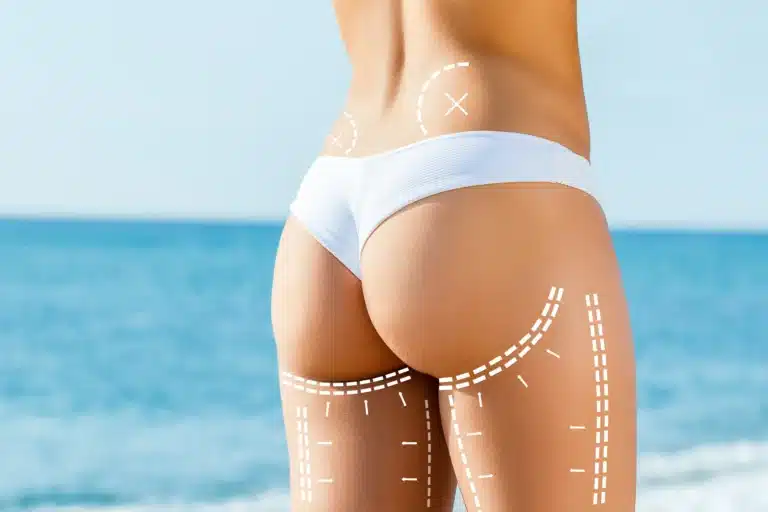
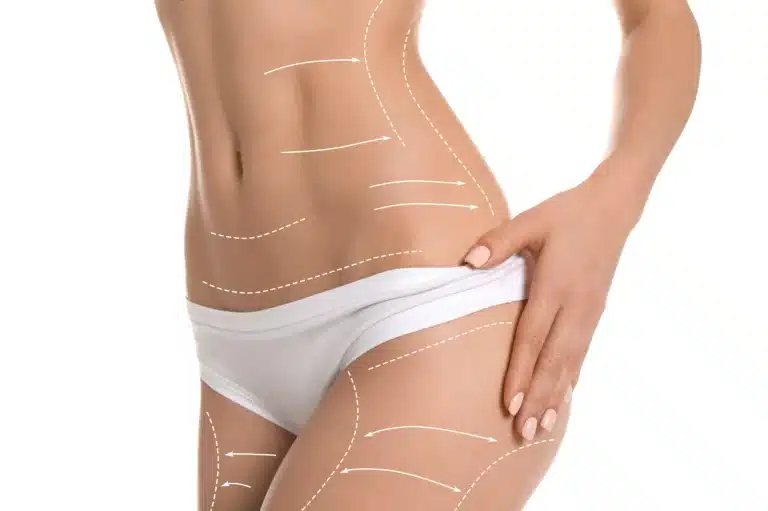
: used in body contouring, it treats cellulite and firms loose areas such as arms, abdomen and thighs. Reduced circumference may be observed.Indications for radiofrequency
Radiofrequency devices have different handpieces for face and body treatment. All skin types can be treated in any season.
This treatment addresses many requests.
• Radiofrequency for firmness : heat causes immediate contraction of collagen fibres. Stimulated fibroblasts synthesise denser skin. The result is firmer skin
and a lovely radiance boost.
• Radiofrequency for slimming : although often described as slimming, Dr Romano considers that it has no lipolytic action and destroys no fat cells. Stimulated lymphatic drainage and improved cellulite reduce the treated area's volume.
• Radiofrequency for body contouring : firmer skin and reduced orange-peel texture enhance the figure. Body treatment is a frequent consultation request from women seeking a sculpted body and flawless skin.
• Radiofrequency for rejuvenation and radiance : stimulating dermal synthesis prevents ageing and rejuvenates. Skin becomes thicker, denser and more elastic.
• Radiofrequency for cellulite : a session improves circulation and lymphatic drainage and promotes cellular metabolism. Together, these actions improve orange-peel texture.

Contraindications to radiofrequency
Although considered safe, radiofrequency is not recommended for everyone. People with heart disease, coagulation disorders, implanted electronic devices such as pacemakers or metal implants cannot receive treatment.

What happens during a
radiofrequency
Many radiofrequency devices are available, but performance differs. The device must be powerful enough to reach high temperatures and deliver energy acting deeply.
Dr Romano uses Endymeed technology
The area is disinfected and a thin layer of conductive gel applied.
The applicator is chosen according to indication, skin type and goals (laxity, increased density, cellulite...).
The handpiece moves over skin in circles. Temperature rises gradually; circular movements stop when the surface reaches 42°C (checked with a thermometer, although an experienced eye can manage without it).
At 42°C, collagen fibres can be relaxed in a lifting direction. The operator then applies pressure following skin traction lines.
The protocol comprises 4 sessions at 1-week intervals, then 4 sessions at 2-week intervals.
Remember that laxity is part of natural ageing. Initial protocol effects generally last one year, but maintenance every 4 -6 months is needed to preserve results.
After-effects
Treatment is painless and requires no recovery. Redness and minimal swelling at the end are temporary, lasting no more than ten minutes.
There is no social downtime and all activities are allowed afterwards. Avoid applying products (creams, soaps...) to the treated area for a few hours.
Results : before/after radiofrequency
A difference is visible the next day, but optimal results occur three months after each session.
Patients describe firmer, more toned and elastic skin, a brighter complexion and visibly reduced ageing signs.
Cellulite appearance improves quickly.
Annual or six-monthly maintenance is recommended.
How much does a radiofrequency session cost ?
Radiofrequency sessions start from 300 CHF. This generally covers one localised area such as face, neck, décolletage or a targeted body area, for example the backs or fronts of thighs. Treating several areas in one session naturally changes the price. Cost may be adjusted according to indication (laxity, loss of tone, superficial wrinkles) and extent. Some sessions combine technologies (bipolar or multipolar radiofrequency, with LED), also affecting price.
Treatment is needle-free, entirely painless and without social downtime, but needs rigorous medical supervision for effectiveness and safety.
Prices reflect equipment quality and the personalised protocol. A preliminary assessment always determines the optimal number of sessions, generally between 4 and 6, and establishes a tailored plan.
Frequently asked questions about medical radiofrequency in Geneva
Can radiofrequency treat neck wrinkles ?
Yes, it effectively reduces neck wrinkles and laxity by stimulating collagen production and firming skin.
At what age can radiofrequency begin ?
Radiofrequency is recommended from the first signs of ageing, generally around age 30, to prevent and reduce laxity.
What is the best treatment for firming skin ?
Treatment choice depends on skin condition and goals. Radiofrequency is an effective non-invasive option for collagen stimulation and improved firmness.
Does radiofrequency cause weight loss ?
Radiofrequency is not a weight-loss method. However, it can help reduce localised fat deposits and improve firmness for a more harmonious figure.
Is radiofrequency painful ?
No, it is generally painless. Patients may feel moderate warmth, but usually report no significant pain.
What are the risks of radiofrequency ?
Side effects are rare and usually mild, such as redness or slight swelling. Superficial burns may occur if the device is used incorrectly.