What is hyaluronic acid?
Hyaluronic acid is naturally present in skin and contributes to elasticity and hydration. It is also indicated for treating wrinkles, preserving youthful volume and maintaining skin density.
It is absorbable and biocompatible, meaning identical to our own, providing reassurance about safety and absence of rejection.
It has become a leading aesthetic medicine product.
Since its discovery in 1934, hyaluronic acid has been used medically for numerous conditions (ENT, neurology, etc.). It has been used successfully in aesthetic medicine since 1990. Patients choosing this anti-ageing technique can be reassured: it is a CE-marked medical device with rigorous traceability.
What are the effects of hyaluronic acid?
Hyaluronic acid plays an essential role in tissue hydration and suppleness. Used in cosmetics and aesthetic injections, it offers numerous benefits. Its main effects include:
- Intense hydration and improved elasticity: hyaluronic acid attracts and retains water for deep, lasting hydration.
- Anti-ageing action.
- Volumising and filling properties: restores volume to facial areas that have lost it, such as cheeks or lips.
- Anti-wrinkle and anti-fold effects: wrinkle filling.
- Improved skin irregularities.
- Improved facial contours and proportions.
- Collagen synthesis stimulation: hyaluronic acid stimulates skin cell activity.
What are the benefits of hyaluronic acid?
Hyaluronic acid is now a reference injectable in aesthetic medicine thanks to numerous benefits:
- Track record: used in aesthetic medicine for over 30 years.
- Useful duration: results may last 8 to 16 months depending on product and area.
- Excellent biocompatibility: naturally present in the body, generally requiring no prior tolerance test.
- Biodegradability: gradually absorbed over time.
- Hydrating and revitalising action: improves skin quality and suppleness.
- Precise, adaptable use: tailored treatment.
- Immediate results.
- Few side effects: reactions are mild and temporary.
- Wide product range: each hyaluronic acid suits a specific indication and facial area.
- Great versatility.
Areas treated with hyaluronic acid injections
The most frequently performed hyaluronic acid injections include:
- Facial injections: dark circles, nose, chin, lips, temples, cheekbones, cheeks and jawline.
- Anti-wrinkle injections: nasolabial folds and marionette lines.
- Injections for hand rejuvenation.
- Injections in the neck.
- Injections in the décolletage.
- Injections for facial enhancement: profile enhancement, masculinisation, feminisation and non-surgical lifting techniques.
- Injections for skin hydration: all hyaluronic acids contribute to hydration, but Skinbooster is designed exclusively for this indication. Its particles are very small to avoid adding volume and highly hydrophilic.
Results include a healthy glow, better hydrated, firmer skin and elimination of any crepey appearance. - Injections for wrinkle filling: different acids are used according to wrinkle type, particularly location and depth. For this indication, Dr Romano never chooses highly volumising products that could puff up the face and create unsightly ridges.
Wrinkles accompanied by a pronounced epidermal crease improve but are not erased.
Expression wrinkles on the forehead, glabella and crow's feet are treated with botulinum toxin injections. - Injections for intimate areas: treatment of intimate changes is increasingly requested in aesthetic medicine. Hyaluronic acid is used for G-spot and labia majora augmentation and vaginal dryness.
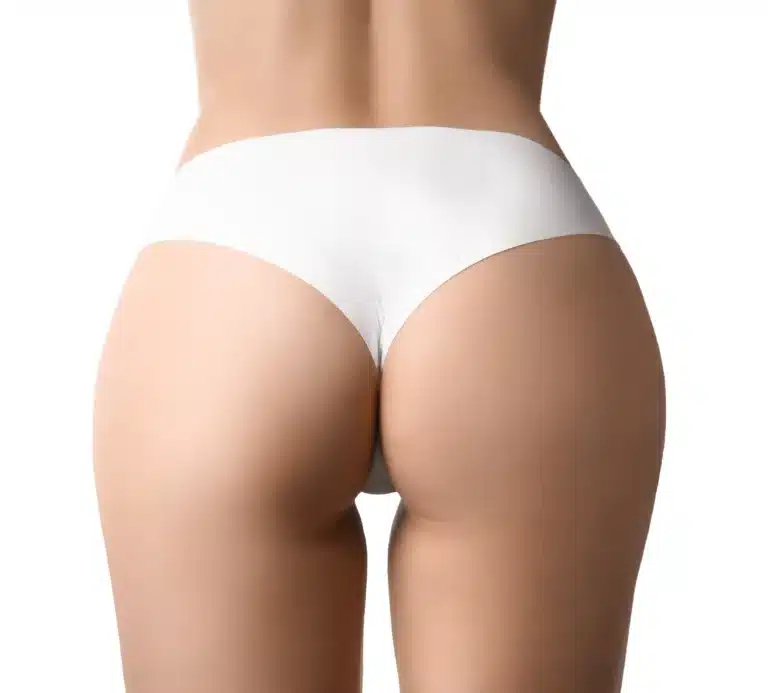
Results are immediate and last one year. Injections are painless with mild after-effects. - Body injections can reshape certain areas. The plumping effect achieves desired contours, such as rounder, lifted buttocks or firmer calves. The figure is aesthetically enhanced, with physical, psychological and emotional benefits.
Before hyaluronic acid injections
- A preliminary consultation is essential to assess expectations, perform a medical analysis and identify contraindications.
- Photographs are taken before the session for precise follow-up and assessment afterwards.
- Avoid aspirin and anti-inflammatory medicines during the three days beforehand unless the prescribing doctor advises otherwise.
- During the three days beforehand, avoiding supplements such as ginkgo biloba, vitamin C and cod liver-based products that increase bruising risk is also advised.
- Attend without make-up preferably; it can be applied at the end of the session.
- An anaesthetic cream can be applied for comfort if needed, but this is rarely necessary.
What happens during a hyaluronic acid injection session
Specifically, what happens during hyaluronic acid injections? A preliminary consultation establishes the result that can be offered.
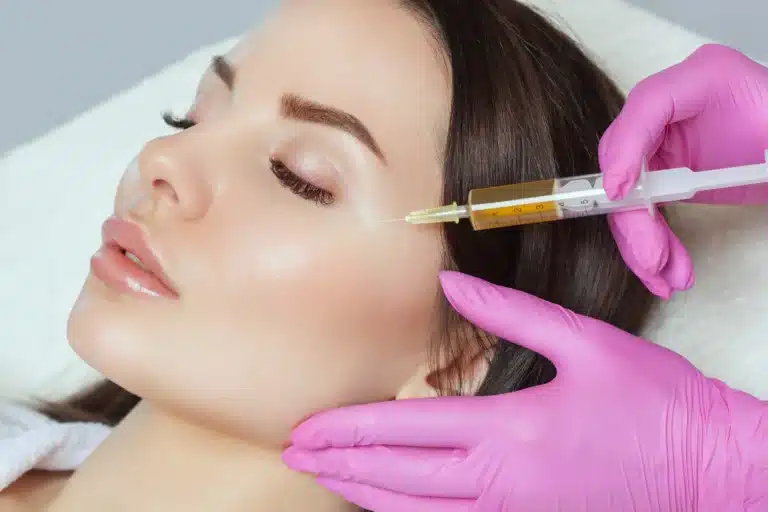
Injections take place at the practice after photographs.
The procedure is quick, lasting around twenty minutes, without anaesthesia.
The proposed, recommended result is natural, while respecting patients' wishes.
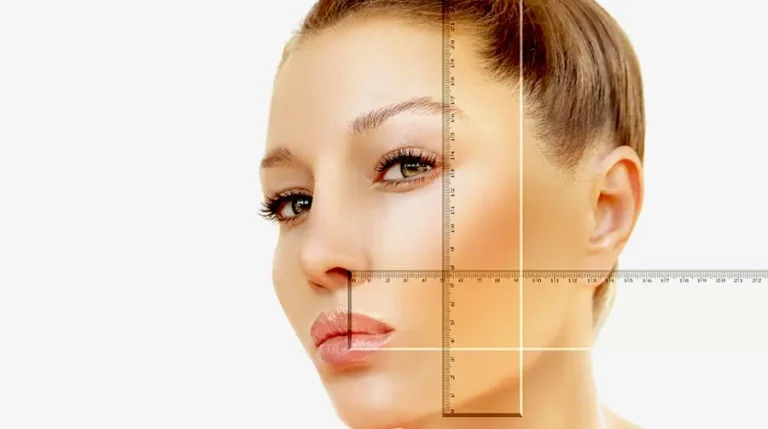
Facial analysis requires an experienced eye familiar with harmony and beauty principles.

Several injection choices are possible on disinfected skin.
- Technique: bolus, fanning, nappage or retrograde threading.
- Product: products differ in viscosity, firmness, volumising properties and hydrophilicity.
- Injection depth: middle, superficial or deep dermis; superficial or deep subcutaneous tissue; deep fat; bone contact.
- Amount used at each point.
- Tool: needle or cannula (a rounded-tip needle).
After injections, massage with moisturiser evens the result and distributes the product.
Precautions after hyaluronic acid injections
A few simple precautions optimise results and limit temporary side effects.
- Remain calm for three hours afterwards and avoid touching or massaging treated areas during this time.
- Cold-water compresses can soothe the area. Cold may help significant swelling, but never apply ice directly to skin.
- A concealing or soothing cream may be used for small bruises if needed.
- A moisturising or repairing cream may be applied in the following days.
- Good hydration is recommended; avoid alcohol during the following hours.
- Avoid medicines promoting bleeding, such as aspirin or certain anti-inflammatories, unless medically indicated otherwise. Prefer paracetamol for discomfort.
- Avoid make-up for 12 hours afterwards.
- Do not massage injected areas for 48 hours.
- Suspend exercise for 24 hours.
- Avoid intense sun, high heat, saunas, steam rooms and extreme cold for one week.
What are the contraindications to hyaluronic acid?
Contraindications to hyaluronic acid injections include:
- Pregnancy and breastfeeding.
- Skin conditions in the treatment area.
- Hepatitis C.
- Autoimmune diseases.
- Non-absorbable product present in the injection area.
- Anticoagulant use (relative contraindication, assessed individually).
Side effects of hyaluronic acid injections
Side effects are minor and temporary, including mild swelling and redness. They cause no social downtime.
Other effects that may occur include:
- Moderate oedema (swelling) of lips and dark circles. This temporary reaction can be prevented and treated with Extranase. Scheduling lip and dark circle injections on a Friday is advised.
- Bruising is rare but possible with thin skin. It can be prevented and treated with homeopathy (Arnica 5CH).
- With herpes, Aciclovir is recommended to avoid another outbreak after injections.
Hyaluronic acid results: before / after injections
Hyaluronic acid injection results are immediate.
For indications such as lips or upper eyelids, swelling follows injections; wait one week to assess final results.
How long do hyaluronic acid effects last and when should treatment be repeated?
Hyaluronic acid is an absorbable product, broken down by the skin enzyme hyaluronidase. Duration depends on several factors. According to cross-linking, firmness, area and amount, results last 6 to 24 months.
Skin is better hydrated and plumped, volumes restored and the face enhanced.
At what age can hyaluronic acid injections be started?
There is no minimum age. Even minors now undergo injections, accompanied by at least one parent with written agreement from both.
Starting ages differ according to indication.
- Intimate injections may be performed throughout sexual life.
- For facial enhancement and certain morphological changes, such as lips, women often start in their twenties.
- For wrinkles and revitalisation, treatment starts around the thirties. Starting at the first ageing signs provides better results.
- For later changes, such as ageing hands or neck, treatment starts around the fifties.
How much do hyaluronic acid injections cost?
Hyaluronic acid: how much does a session cost?
In Geneva, hyaluronic acid injections cost 600 CHF for most indications.
Depending on anatomy and complexity, prices vary between 650 CHF and 900 CHF per syringe. Pricing reflects indication, technical skill, procedure duration and product characteristics (some denser or longer-lasting gels cost more).
Total cost also depends on syringe numbers, determined at consultation according to aesthetic needs, morphology and desired results. Several syringes are often indicated, but treatment remains gradual and tailored.
Hyaluronic acid and botulinum toxin: what are the differences?
Hyaluronic acid and botulinum toxin are popular aesthetic medicine treatments but work differently.
Hyaluronic acid mainly fills wrinkles, restores volume and hydrates skin. It is injected directly into areas with the concern being treated.
Botulinum toxin relaxes muscles by blocking nerve signals. It smooths dynamic forehead, frown and crow's feet wrinkles. It is injected into the muscle causing the wrinkle, not directly into the wrinkle.
Its lifespan is shorter: botulinum toxin lasts six months and hyaluronic acid one year.
Which is better: botulinum toxin or hyaluronic acid?
Do not confuse hyaluronic acid and botulinum toxin. Their properties, characteristics and uses differ.
Botulinum toxin, marketed since 2003, treats certain expression wrinkles by blocking the responsible muscle contractions and thereby erasing them.
Hyaluronic acid, naturally present in our bodies, softens static wrinkles, lifts tissue and adds volume.
Patient feedback on hyaluronic acid injections
Patient feedback is positive, although experiences vary with several factors. Satisfaction largely depends on medical expertise and realistic expectations.
Many appreciate aesthetic results: visibly improved firmness and hydration and fewer wrinkles and fine lines.
They appreciate relatively quick, minimally painful injections without recovery time.
Minor temporary effects (redness, slight swelling and bruising) are well accepted.
Hyaluronic acid creams vs injections: which is the better choice?
Both creams and injections benefit skin but differ in effects and uses.
Creams hydrate the surface, temporarily improving appearance and quality. Ideal for daily use and maintaining very superficial hydration, they do not penetrate deeply, fill wrinkles or restore volume. They usefully complement skincare routines.
Injections provide immediate, longer-lasting results. They have significant anti-ageing effects, filling wrinkles and restoring volume. For visible, effective rejuvenation, hyaluronic acid injections are the right choice.
Frequently asked questions about hyaluronic acid injections in Geneva
How long should you wait between hyaluronic acid injections?
The interval depends on area, anatomy and product. Generally, waiting at least six months is recommended. Your doctor can advise a specific interval according to morphology and aesthetic goals.
Can hyaluronic acid remain for life?
Injected hyaluronic acid is not permanent. It naturally breaks down, is metabolised and eliminated. Effects last six to twelve months depending on product and area. Regular injections maintain results.
How can I prepare my skin before hyaluronic acid injections?
Avoid blood-thinning medicines and supplements beforehand to reduce bruising: aspirin, ibuprofen and vitamin E. Medical advice is mandatory before stopping medicines.
Can I have hyaluronic acid injections while pregnant or breastfeeding?
Injections are contraindicated during pregnancy. However, women injected without knowing they were pregnant can be reassured: avoidance is precautionary.
Breastfeeding women must express milk before injections.
Does hyaluronic acid really disappear?
Yes, injected hyaluronic acid gradually breaks down and is absorbed. Effects are temporary, requiring maintenance to preserve results.
What alternatives are there to hyaluronic acid injections?
This depends on indication and anatomy. General alternatives include botulinum toxin, collagen-stimulating fillers such as Radiesse and Sculptra, lasers, chemical peels and radiofrequency.
When are hyaluronic acid injection effects visible?
Effects are visible immediately, with optimal results one to two weeks later.
When can you kiss after lip injections?
Wait 24 to 48 hours before kissing to avoid pressure or excessive movement on the treated area.
How is hyaluronic acid made?
Aesthetic hyaluronic acid is laboratory-produced through bacterial fermentation, then purified and stabilised into a safe, biocompatible gel suitable for injections.
Are hyaluronic acid injection results guaranteed?
No absolute guarantee is possible. Although results are predictable and generally very satisfactory, they depend on anatomy, skin quality, indications, lifestyle and individual bodily response.
Do hyaluronic acid injections prevent ageing?
They do not stop ageing but soften its visible effects and delay their appearance.
Restoring volume, hydrating skin and correcting early fine lines preserve a rested, harmonious face. Early, appropriate treatment supports skin ageing prevention, limiting certain wrinkles and volume loss.
Do hyaluronic acid injections change facial expressions?
No, precisely measured injections do not freeze facial expressions.
Treatment mainly addresses volume and hydration without blocking facial movement muscles. Expressions remain natural.
Artificial or frozen results generally relate to excess product or poor indication. A personalised, controlled approach preserves facial expressiveness.
Can hyaluronic acid injections treat skin laxity?
Yes, in certain indications, particularly volume-related laxity.
Restoring facial support (cheekbones, temples, contour) and using non-surgical lifting techniques treats mild to moderate laxity.
Which wrinkles can hyaluronic acid injections treat?
Hyaluronic acid corrects several superficial or deep wrinkle types.
It is particularly indicated for:
- nasolabial folds (between nose and mouth);
- marionette lines (mouth corners towards chin);
- perioral wrinkles (around lips, called 'barcode lines');
- cheek wrinkles associated with volume loss;
- hollow dark circles (tear trough);
- certain superficial facial fine lines.
It also restores facial volume (cheekbones, temples, chin), indirectly smoothing wrinkles and restoring a younger, more harmonious appearance.
How is hyaluronic acid used outside aesthetic medicine?
Hyaluronic acid is widely used beyond aesthetics, notably in ophthalmology (cataract surgery, hydrating eye drops), rheumatology (joint injections for osteoarthritis) and dermatology for healing. Biocompatibility and hydration make it versatile and safe.
What are the alternatives to hyaluronic acid injections?
Several alternatives depend on indication and goals. Common options include:
- botulinum toxin for certain expression wrinkles;
- collagen stimulators for skin firmness;
- laser or radiofrequency treatments for skin quality;
- cosmetic surgery for significant laxity.
Choice always depends on personalised diagnosis.
Which treatments can accompany hyaluronic acid injections?
Injections often form part of comprehensive facial care. They can be combined with:
- botulinum toxin to relax muscles responsible for certain wrinkles;
- skin treatments (peels, lasers) to improve radiance and texture;
- skin stimulation techniques to enhance quality.
These combinations provide more comprehensive, harmonious results.
What are the limitations of hyaluronic acid injections?
Hyaluronic acid offers excellent results but has limitations. It cannot treat significant skin laxity or replace indicated surgery.
Its effects are also temporary, requiring maintenance. Certain specific indications need other approaches for optimal results.
How many facial areas should be treated?
This depends on each patient's needs. A comprehensive facial approach is often preferable to focusing on one area.
Balanced treatment of several areas provides more natural, harmonious results. A personalised consultation plan defines priorities and volumes to correct.