Key points
Superficial fruit-acid and TCA peels in Geneva
Chemical peels use specific acids to remove dead cells from the epidermis or superficial dermis.
Unlike mechanical scrubs, which exfoliate through friction from particles, chemical peels work without physical effort.
Treatment restores radiance, corrects imperfections, softens pigmentation, fine lines and scars, and slows ageing signs. It particularly benefits patients seeking a
clearer, more even complexion by purifying skin and immediately improving appearance.
Different peels address specific needs. Cosmetic peels for home use provide regular, gentle maintenance.
Medical dermatological peels produce more substantial, lasting results.

How does a peel work?
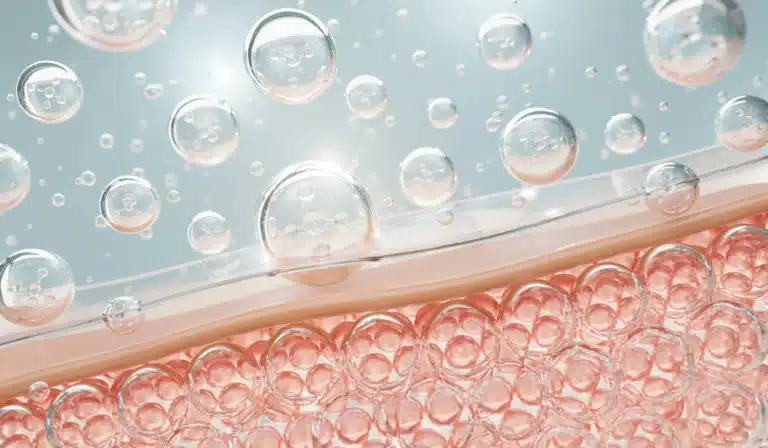
Superficial peels work through three actions.
- Exfoliation of superficial skin: this layer renews monthly during adolescence and every month and a half in adults.
- Reduced sebaceous-gland activity, explaining use for oily and acne-prone skin.
- Dermal synthesis stimulation: increased collagen and elastin production slows ageing and supports firmness and elasticity.
Who are superficial peels for?
Peels provide prevention, maintenance and corrective care. Indications include:
- Improved texture, particularly enlarged pores.
- Dullness: peels provide a real radiance boost.
- Prevention of skin ageing.
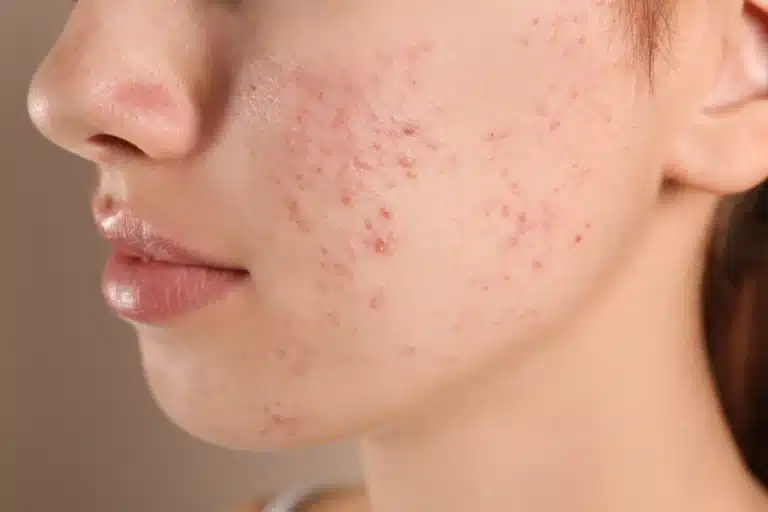
- Acne.
- Early ageing: peels improve wrinkles and fine lines.
- Oily skin.
- Keratosis pilaris.
- Melasma treatment: gentle TCA peels are particularly effective for melasma, often called the "mask of pregnancy". They soften persistent pigmentation for a more even complexion. Generally, 3 to 4 sessions, 3 to 4 weeks apart, produce significant improvement.
- Treating pigmentation with peels: peels block production of melanin, the skin pigment. Superficial TCA peels are commonly used. Several sessions are needed.
- Body imperfections: exfoliating acids gently remove dead cells, refine texture and stimulate microcirculation. This reoxygenates tissues and facilitates moisturiser absorption. Body peels revitalise skin, protect against external stressors and prevent premature ageing.
At what age can I have a peel?

Superficial peels can be performed at different ages, each with specific skincare needs.
In adolescence, removing dead cells and reducing excess sebum helps acne and skin quality for a more even complexion.
At 30, cell renewal and restored radiance help prevent early fine lines and pigmentation.
At 50, superficial peels cannot soften deeper wrinkles but improve elasticity and firmness, reduce age spots and even complexion.
Superficial peels for
men

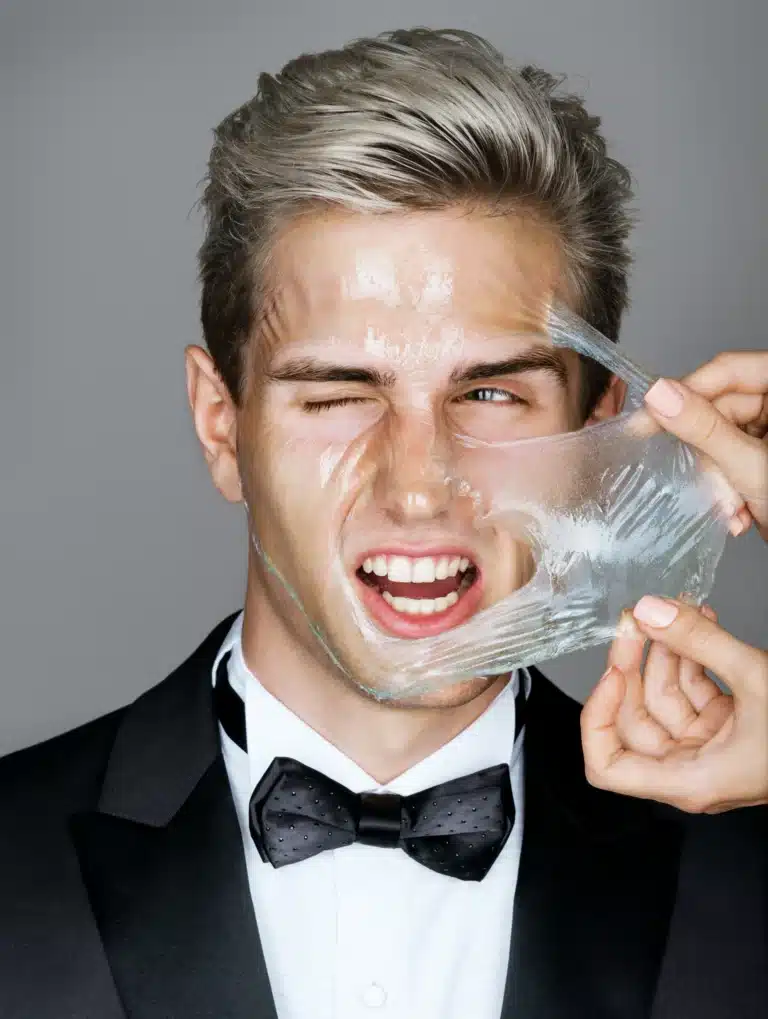
Superficial peels are increasingly popular among men concerned about appearance and skin health.
They effectively improve quality, imperfections, pigmentation and radiance in male skin too.
They suit common male concerns such as enlarged pores and early ageing. Rapid recovery and visible early results offer a discreet, effective way to maintain healthy, radiant skin.
Can all phototypes have a peel?
Superficial peels suit all skin types, but phototypes IV and above have greater post-treatment hyperpigmentation risk. An experienced doctor must select the appropriate peel and supervise necessary precautions.
Different peels
Common acids include salicylic acid (BHA), TCA and AHAs (alpha hydroxy acids), the best known being glycolic acid.
Dr Romano selects products according to skin type and concern. Solutions combining active ingredients are often used.
AHA, BHA and TCA: how are they used?
AHA peels restore radiance and visibly soften fine lines.
AHAs exfoliate the most superficial epidermis and act on stratum corneum cells. Small size and hydrophilic properties allow relatively rapid penetration.
BHA peels suit oily, acne-prone skin. Keratolytic action unclogs pores and limits microcysts and comedones. Exfoliation improves texture and reduces excess sebum.
TCA evens tone and treats early wrinkles. Usually used for medium-depth peels, TCA at 10% produces a superficial peel.
At-home peels
At-home peels gently exfoliate, allowing frequent use. Fruit-acid concentrations are much lower than those used in dermatology. They refresh complexion and purify skin by removing dead cells and impurities.
However, side effects remain possible, depending on individual sensitivity and skin type.
What happens during a session
of superficial peeling?
Before the session
Before the peel session, it is recommended to:
- Apply prescribed preparation cream for three weeks beforehand to avoid rebound pigmentation.
- Avoid exfoliation (scrubs, exfoliating masks, acne creams...) for three weeks beforehand.
- Shave the evening before (men).
During the session
On the day of the peel, the doctor applies pre-peel solution to clean skin to remove oil and improve penetration.
The peel is brushed on and left for about a minute.
Once removed, healing cream is applied.
After the session
After the peel session, it is advised to:
- Avoid sun exposure for one month.
- Apply healing cream for one week.
- Avoid all skin irritation.

How often should peels be performed? Peel protocols
Numbers and frequency depend on skin type and concern. Protocols are personalised. A typical course is three to five peels one month apart, followed by one to two maintenance sessions yearly to slow ageing and improve quality long term.
Why have three peel sessions?
Several sessions often optimise results. The first exfoliates superficial layers; subsequent sessions treat deeper layers and further stimulate cell renewal. Generally, three sessions one month apart provide visible, lasting results.
What are the after-effects of a superficial peel?
After-effects are generally mild, allowing immediate daily activities. Mild sunburn-like redness, sometimes with warmth or tightness, is common in the following hours.
Fine peeling may appear over subsequent days. This expected epidermal renewal improves radiance and texture. Intensity varies with peel type and sensitivity.
Contraindications

Peels are discouraged during sunny periods.
Superficial peels are contraindicated with:
- Contact allergies.
- Infection, lesions or skin cancer in the treatment area.
- Certain acne medicines.
- Pregnancy and breastfeeding.
What are the risks of a
peel?
Complications are rare but always possible.
- Scabbing: often caused by early sun exposure on dark skin or an overly aggressive product.
- Depressed or raised scars: exceptionally rare after superficial peels, caused by aggressive patient manipulation of skin.
- Brown spots: hyperpigmentation can occur, especially in olive skin.
- Bacterial infections: appropriate medical treatment prevents serious complications.
- Herpes infections: patients with previous cold sores may develop widespread facial herpes. Preventive antiviral treatment is then necessary.
Results before / after a superficial peel
Superficial peel results are rapidly visible.
Benefits generally appear after a few sessions, each reinforcing previous effects.
Removing dead surface cells boosts radiance and luminosity and refines texture.
Patients notice smoother, more even skin and reduced brown spots and fine lines.
Cell renewal stimulation also makes skin firmer and more elastic.
Follow your doctor's recommendations for optimal results.
What is a 'failed peel'?
A peel is considered failed when results disappoint expectations or complications occur.
Complications include burns, hyperpigmentation and persistent brown spots, scars, thickened granular skin and infections.
Although rare after superficial peels, complications may result from inappropriate, non-personalised dosing, excessive application time or an inexperienced practitioner.
Sometimes no specific cause is found and an unforeseen individual reaction is responsible.
Solutions after a failed peel
Consult an experienced doctor for appropriate care.
Options include observation and patience (a few months may allow spontaneous resolution), creams and laser treatment for post-peel brown spots.
How much does a peel cost?
Superficial peels cost 200 CHF per session in Geneva. They often form part of a progressive protocol whose frequency and duration depend on skin needs and individual response. Session numbers vary with skin type, concern and consultation goals. Price remains constant for every indication.
Superficial peel reviews
Patients value superficial peels for their effectiveness.
Gentle acids exfoliate superficial layers for a brighter, more even complexion. Patients often notice immediately improved quality, fewer small imperfections and reduced pigmentation. Low complication risk and very short recovery are particularly appreciated. Most describe softer, radiant, visibly younger skin after a few sessions, ideal for revitalisation without deeper-peel constraints.
In a randomised trial, three monthly applications of a superficial lactic or glycolic acid peel reduced fine lines around the outer eyes. Participants also used sun protection. These results show that superficial exfoliation can improve certain fine wrinkles with a gradual protocol.
A systematic review of trials on acne peels reports reduced spots and comedones with several acids. Superficial peels are therefore an option for improving blemishes in mild to moderate acne. Acid selection depends on lesions and skin tolerance, as no formulation is systematically superior.
In a study involving 24 women, a superficial 3% retinol peel combined with daily skincare improved several signs of sun-related ageing: fine lines, visible pores and pigmentation irregularities. Two to four sessions were performed. These results concern this specific formulation and do not apply to every superficial peel.
Frequently asked questions about superficial peels in Geneva
Are superficial peels painful?
Mild tingling or warmth may occur, but treatment is generally well tolerated. Discomfort is temporary and resolves quickly.
What time of year is best for superficial peels?
They can be performed year-round with precautions. Generally, start sessions between September and June, when sun exposure is lower. Skin becomes more UV-sensitive, so avoid intense exposure for 10 to 15 days afterwards and apply high-factor sunscreen (SPF 50+) daily to limit pigmentation risk.
Can superficial peels be combined with other aesthetic treatments?
Yes, with treatments such as PRP, Skinboosters or mesotherapy.
Which peel is most effective?
It depends on concerns and skin type. AHA peels, such as glycolic acid, are widely used for gentle exfoliation, texture and radiance. TCA peels are more indicated for pigmentation and ageing.
Why is my peel not working?
Several factors affect effectiveness.
- Poor skin preparation.
- Unsuitable products.
- Unrealistic expectations.
Several sessions are needed for significant results.
Do superficial peels remove pores?
They cannot remove pores but make them less visible. Exfoliation removes dead cells and impurities that block pores, reducing their appearance and improving overall texture.
When are superficial peel effects visible?
Generally a few days later, after healing. Complexion improves and skin feels smoother. Several sessions provide optimal, lasting results.
Is having a superficial peel beneficial?
Yes, properly performed peels remove dead cells, stimulate renewal and improve pigmentation, imperfections and early ageing. Consult an experienced doctor to select the best peel.
When should I have a superficial peel?
Autumn or winter, with less sunshine, is generally best. UV can sensitise post-peel skin and increase hyperpigmentation risk.
How long does a superficial peel session take?
Generally around ten minutes.
What care is needed after a superficial peel?
Moisturise regularly and apply sunscreen and healing cream. Avoid sun and irritating or exfoliating products for the following month.
What is a face peel?
A non-invasive medical procedure applying a chemical solution to exfoliate and remove damaged superficial layers.
Should glycolic acid be rinsed off?
Yes, rinse thoroughly with lukewarm water after application to neutralise it and avoid irritation or burns.
Glycolic-acid creams do not need rinsing.
Can superficial peels be performed on tanned skin?
Generally not. Tanned skin is more sensitive and prone to irritation and pigmentation. Wait for the tan to fade first.
Are superficial peel results permanent?
No, they temporarily improve quality and appearance. Maintenance is needed to preserve results.
Can I work after a superficial peel?
Yes, immediately, although mild redness and sensitivity may last hours to days.
Are superficial peels always performed by a doctor?
Dr Romano personally performs peels.
How many superficial peel sessions are needed?
Numbers depend on skin condition and goals. Generally, 4 to 6 sessions, 2 to 4 weeks apart, optimise results.
How can I do an at-home face peel?
Fruit-acid peels are sold over the counter in pharmacies. Side effects are possible without medical supervision.
Avoid homemade folk remedies.
How can I renew my skin?
Adopt gentle cleansing, regular exfoliation, serums and moisturisers suited to skin type, and daily sun protection.
Medical treatments (peels, mesotherapy, injections and lasers) are most effective.
Where are fruit acids found?
Fruit acids, or AHAs, are in skincare sold in pharmacies, health-and-beauty shops and cosmetics stores, and in foods including citrus, apples, grapes and fermented milk.