What are the signs of tired skin ?
A tired face has several visible signs that reduce its freshness and natural luminosity, creating a less rested, less lively appearance. This impression of fatigue often develops gradually.
Several signs are frequently observed :
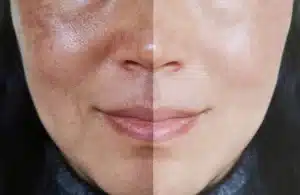
- A duller, less radiant complexion, linked to slower cell renewal and reduced skin microcirculation.
- More marked features, with more visible expression wrinkles on the forehead, between the eyebrows or around the eyes.
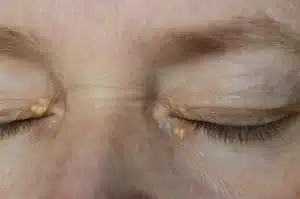
- Dark circles (new or more noticeable), which may be hollow, pigmented or vascular in origin.
- Bags under the eyes, increasing the impression of tiredness around the eyes.
- Dehydrated skin, encouraging fine lines.

How can you tell whether your skin is
tired ?
Tired skin can be recognised by several signs indicating reduced vitality and natural radiance. Even without major changes in facial volume or features, the skin can lose freshness and look less healthy.
The most common sign is a dull complexion. The skin reflects light less effectively and looks less radiant.
Skin texture may also become less even. Tired skin can feel rougher, with more visible pores and less uniform texture. Make-up may adhere less effectively and accentuate certain irregularities.
Skin dehydration is another common sign. When skin lacks water, it loses suppleness and comfort and fine lines appear.
Finally, the skin may seem more sensitive or reactive to external aggressors.
When dullness, less even texture and signs of dehydration occur together, this may indicate a period of skin fatigue. In most cases, this remains temporary and can be corrected with appropriate skincare and better protection against external aggressors.
Why does my skin look tired ?
Tired-looking skin is caused by several physiological mechanisms that evolve with age, lifestyle and external aggressors.
- Loss of skin luminosity : over time, cell renewal slows. In a young adult, the epidermis renews approximately every 28 days. This process can exceed 40 days after the age of 40. The slowdown causes dead cells to accumulate, reducing natural radiance and creating a duller, uneven complexion. Skin microcirculation also declines, reducing tissue oxygenation and increasing the tired appearance.
- Skin dehydration : dehydrated skin is less supple and radiant. Fine lines become more visible and the surface looks less smooth. Several factors encourage dehydration : cold or wind exposure, air conditioning, pollution, stress and lack of sleep. The skin barrier gradually deteriorates, increasing transepidermal water loss.
- Excessive muscle activity : certain repeated muscle contractions mark the face. Areas affected include : the forehead, glabella (frown lines), eye contour. These constant contractions sometimes create a worried, severe or tired appearance.
- Lack of sleep : sleep plays a major role in skin regeneration. During the night, collagen production and cellular repair mechanisms are more active.
- Chronic stress : stress increases cortisol production, a hormone that promotes collagen breakdown, skin inflammation and dehydration.
- Sun exposure : the sun is one of the main factors in skin ageing.
- Pollution : fine particles generate oxidative stress that accelerates skin ageing. They impair the skin's protective barrier and reduce its repair capacity.
How can radiance be restored to tired skin ?
Managing a tired face involves a comprehensive approach combining lifestyle measures, dermatological skincare and suitable aesthetic medical treatments.
Relaxing certain muscle contractions
Certain facial expressions can increase the impression of fatigue.
Botulinum toxin works by temporarily relaxing the muscles responsible for expression lines.
This treatment is mainly indicated to reduce forehead wrinkles, crow's feet and lines between the eyebrows.
Improving skin quality
The first step aims to restore skin quality. This can be achieved by increasing density, stimulating cell renewal and optimising hydration.
Increased skin density can be achieved through Sculptra injections or fractional ablative laser treatment.
Gentle medical peels remove dead cells and refine texture. They also help even out tone and restore facial radiance.
Skinboosters, a lightly cross-linked hyaluronic acid, improve deep hydration and restore skin suppleness.
Finally, mesotherapy sessions promote superficial skin hydration.
Treating the eye contour
The eye contour is one of the first facial areas to show signs of fatigue. Its skin is particularly thin and delicate, making it more sensitive to dehydration, loss of skin density and fine lines.
Hydration in this area can be improved with mesotherapy sessions. Superficial injections of vitamins, antioxidants and non-cross-linked hyaluronic acid rehydrate the skin and gradually improve its quality. The eye contour regains suppleness and luminosity.
To improve skin density and stimulate collagen production, the PRX-T33 peel is another useful option. Generally performed twice a year, it strengthens skin structure and improves texture without social downtime.
When wrinkles or fine lines are present, skin resurfacing techniques may be offered. Fractional ablative laser treatment intensively stimulates skin renewal and gradually smooths the skin. In certain situations, a medium peel may also be indicated, as this is the most effective treatment for eliminating wrinkles, although it involves prolonged social downtime.
How can tired skin
be revitalised ? Skincare
Tired skin needs a simple but effective routine to regain radiance and support its natural regeneration mechanisms. The aim is to protect the skin during the day, when exposed to external aggressors, then promote repair at night. A regular routine gradually improves complexion luminosity, hydration and overall skin quality.
Reviving tired skin during the day
In the morning, the priority is to ‘wake up’ the skin and protect it. Gentle cleansing removes impurities accumulated overnight and prepares the skin for skincare.
Applying an antioxidant serum, particularly vitamin C-based, helps revive complexion radiance and protect against oxidative stress. Moisturiser then maintains good hydration and improves suppleness.
Finally, sun protection is essential to prevent ultraviolet damage and preserve skin quality.
Repairing a tired face at night
The skin regenerates most actively at night. An appropriate routine supports these natural repair mechanisms.
After thorough cleansing to remove make-up and pollution, applying products that promote cell renewal can gradually improve skin texture and radiance.
A moisturising or nourishing night cream then strengthens the skin barrier and helps the skin recover during sleep.

Prices for treatments to revitalise tired skin
Managing tired skin often involves combining treatments to improve hydration, skin density and overall quality. The techniques chosen always depend on medical diagnosis, skin condition and the patient's goals. A personalised diagnosis during consultation identifies the most suitable strategy and establishes a precise treatment plan according to the skin's needs.
The main treatments and prices are as follows :
- Sculptra : 900 CHF per vial. In most cases, one vial per year is sufficient.
- Skinboosters : 400 CHF per syringe. Two syringes are injected during a session. Initial treatment generally includes one to three sessions, depending on initial skin quality.
- Mesotherapy : 300 CHF per session. An initial course of three to four sessions is usually recommended, followed by maintenance approximately every eight months to preserve hydration and radiance.
- Medium peel : 800 CHF per session. A single session is generally needed to significantly improve skin texture and reduce fine lines.
- Fractional ablative laser : 400 CHF per session. A protocol of approximately four sessions per year is often offered to stimulate skin renewal and gradually smooth the skin.
- PRX-T33 peel : 200 CHF per session. This biorevitalising treatment can be performed occasionally or as a course to improve skin density and quality.
- Botulinum toxin :
- 1 area : 300 CHF for women, 350 CHF for men
- 2 areas : 450 CHF for women, 500 CHF for men
- 3 areas : 600 CHF for women, 650 CHF for men
In a controlled study, three monthly sessions of hyaluronic acid mesotherapy improved skin radiance on the treated side. The complexion remained brighter three months after the final session. This result concerns one of the signs that can make the face look tired: lack of radiance.
In a randomised trial involving thirty people, one side of the face received non-cross-linked hyaluronic acid injections and the other placebo. After three sessions, skin was better hydrated, firmer and brighter on the treated side. Fine lines were also reduced. These skin improvements contribute to a more rested facial appearance without acting on fatigue itself.
In a trial of hyaluronic acid injections into the cheeks, patients reported greater satisfaction with their skin after treatment. At one month, the satisfaction score had increased by 32 points, compared with 1.4 points in controls. Patients particularly appreciated their skin’s natural appearance and feel. The study measures their satisfaction with the skin.
Frequently asked questions about tired skin in Geneva
How can radiance be restored to tired skin ?
It is important to improve skin hydration, stimulate cell renewal and protect the skin from external aggressors. Treatments such as mesotherapy, Skinboosters and peels help restore complexion luminosity.
Can tired skin occur at any age ?
Yes, tired skin can occur at any age. In younger people, it is often linked to stress, lack of sleep or pollution. With age, declining collagen and slower cell renewal can accentuate this appearance.
Which treatments can improve tired skin ?
Several aesthetic medical treatments can improve skin quality, including mesotherapy, Skinboosters, Sculptra injections, peels and fractional ablative laser treatment. The choice always depends on skin condition and medical diagnosis.
How long does it take to improve tired skin ?
Some treatments provide a quick radiance boost, while others work gradually by stimulating skin regeneration. Improvement depends on the treatment performed and initial skin quality.