What causes oily skin ?
Excessive sebum production results from the interaction of several biological, genetic and environmental factors :
- Hormonal factors : androgen hormones directly stimulate sebaceous gland activity. This explains the frequency of oily skin during puberty and its persistence or onset in adulthood, particularly during female hormonal changes or periods of stress.
- Genetic factors : inherited predisposition plays an important role.
- Environmental and lifestyle factors : pollution promotes sebum oxidation and pore obstruction. A high-glycaemic-index diet and chronic stress can also cause excessive sebum production.
- Unsuitable skincare : excessively harsh cleansing, stripping products or insufficient hydration impair the skin barrier and cause a rebound increase in sebum production.
The skin consequences of
untreated oily skin
When oily skin is not properly managed, several complications can develop.
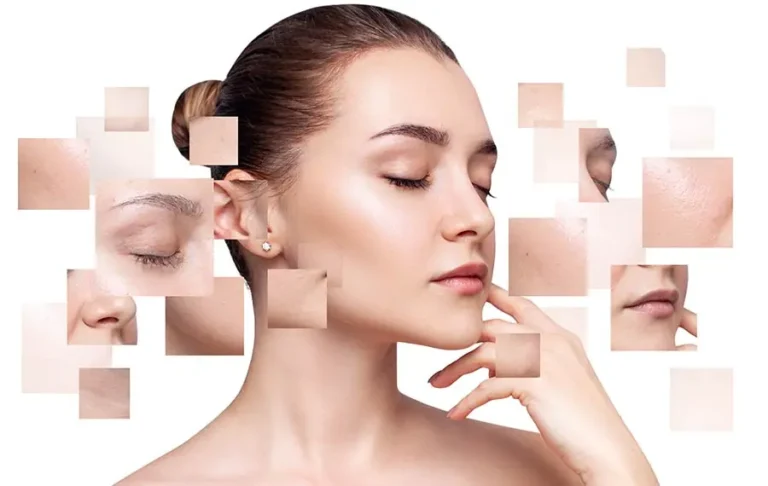
Enlarged pores are among the most common complaints. They result from sebum and keratin accumulating in the pilosebaceous duct, progressively stretching its opening.
Inflammatory blemishes may then develop. Open or closed comedones, microcysts, papules and pustules reflect local inflammation often sustained by bacterial proliferation.
Over the longer term, poorly balanced oily skin can develop uneven texture, a dull complexion and thickening. Contrary to popular belief, oily skin can also become dehydrated, paradoxically increasing sebum production.
These aesthetic signs can substantially affect confidence and quality of life, justifying personalised medical care.
Medical consultation for oily skin in Geneva : assessing oily skin
The first step is a precise assessment of skin type, degree of oiliness and associated lesions (comedones, pustules, scars, residual pigmentation). This distinguishes uncomplicated oily skin from acne-prone oily skin, rosacea or an underlying hormonal disorder requiring additional care.
A detailed history identifies hormonal, dietary and environmental factors influencing skin condition.
During consultation, the skin is examined in direct light and sometimes with imaging devices or special lamps to assess pore depth, scars and surface irregularities. The patient's expectations (less shine, smoother texture, fewer spots, improved scars) guide care combining daily skincare and targeted medical procedures.
What can be done for oily skin ? Daily
skincare suited to oily
skin
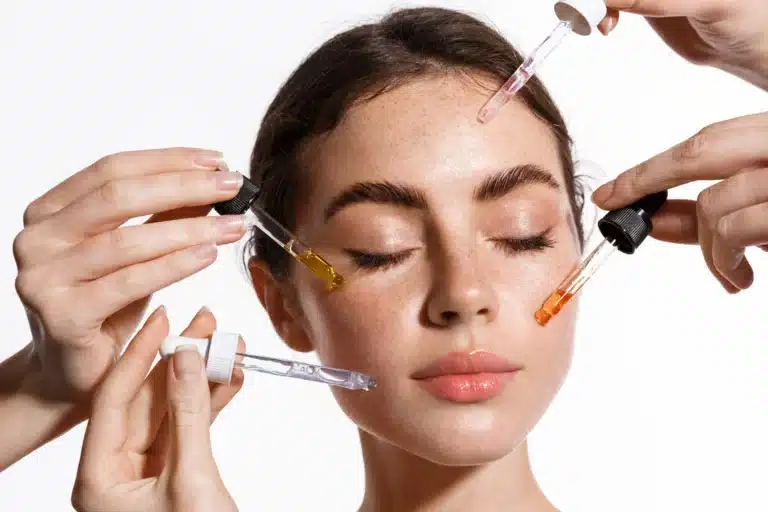
Home skincare is the foundation of oily skin management. Gentle but effective morning and evening cleansing, using non-comedogenic products specifically formulated for excess sebum, limits pore obstruction without damaging the skin barrier.
A routine may include sebum-regulating ingredients (salicylic acid, niacinamide, certain retinoids) and lightweight fluids or gels. Hydration remains essential, even for oily skin, to preserve barrier function and reduce rebound oiliness caused by excessively drying products.
Facial oily skin treatment in Geneva
Each case of oily skin has its own clinical presentation, from simple shine without lesions to pronounced forms with active acne and deep scars. Treatment must therefore be personalised, considering age, phototype, sensitivity, lifestyle and professional or social constraints (recovery time, desired discretion).
A carefully considered combination of suitable daily skincare, regular peels, anti-acne mesotherapy and Hydrafacial achieves a harmonious overall result : less oily skin, a more even complexion and lasting improvement in psychological comfort. A medical consultation in Geneva provides a precise assessment and a tailored protocol incorporating the latest validated oily skin techniques.
Care has two aims. First, to regulate sebaceous gland activity lastingly, and second, to improve overall skin quality by addressing pores, texture and inflammation.
Unlike standard cosmetic skincare, aesthetic medical procedures work deeply in a targeted, gradual way, with objectively measurable, lasting results.
Medical peels for oily skin
Chemical peels are central to medical management of oily skin. They involve applying an acid solution to induce controlled chemical exfoliation of superficial skin layers. For oily skin, certain acids are favoured for their keratolytic and sebum-regulating action (oily skin peel). They unclog pores, reduce stratum corneum thickness and limit comedone formation. They also stimulate cell renewal, creating a more radiant appearance.
The type, concentration and frequency of peel depend on clinical examination and the patient's aesthetic goals.
How many peel sessions are needed for oily skin ?
Medical peel treatment for oily skin generally involves three to six sessions spaced a few weeks apart, allowing regeneration between treatments. Dr Romano adjusts the exact number according to oiliness, any acne and skin tolerance to achieve lasting results.
Lasers for oily skin
Dermatological lasers and certain light technologies represent a major advance in oily skin treatment. Their action relies on targeted energy affecting sebaceous glands and dermal quality.
These treatments reduce sebaceous activity, tighten pores and improve texture. They are particularly useful when oily skin accompanies enlarged pores or surface irregularities.
Sessions use precisely adapted laser energy to respect skin physiology. After-effects are generally straightforward, with a quick return to daily activities.
Mesotherapy and Skinboosters for dehydrated oily skin
Oily skin can paradoxically be dehydrated. In this situation, mesotherapy and Skinboosters are particularly appropriate.
These techniques involve injecting complexes combining lightly cross-linked hyaluronic acid, vitamins, minerals and antioxidants into the superficial dermis. They restore hydration without stimulating sebum production.
Improved hydration indirectly helps regulate sebaceous production. The skin becomes more balanced and visibly healthier.
Hydrafacial for oily skin
Hydrafacial is particularly suitable for oily skin. This non-invasive aesthetic medical technique combines deep cleansing, gentle exfoliation and controlled suction of impurities, effectively removing excess sebum, dead cells and debris that obstruct pores. In oily skin, Hydrafacial unclogs pores, reduces shine and visibly improves texture without damaging the barrier. Simultaneous infusion of specific sebum-regulating and hydrating serums rebalances the skin without drying it, limiting compensatory sebum overproduction. Regular treatment improves overall skin quality, evens out tone and provides an excellent maintenance foundation alongside other aesthetic procedures for oily skin.
Oily skin treatment results
Treatments for oily skin most often noticeably reduce shine, space out blemish flare-ups and visibly refine texture.
The complexion becomes clearer, surface irregularities diminish and make-up lasts better, provided sessions are regular and accompanied by a carefully adapted skincare routine.
Before and after oily skin peel in Geneva
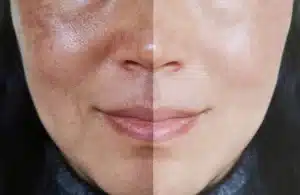
After a medical peel on oily skin, appearance changes in stages : immediately afterwards, the skin may be pink and slightly warm, then peel mildly depending on treatment intensity. Over days and weeks, shine generally decreases, pores look smaller, texture becomes finer and blemishes less frequent, producing more even, uniform skin.
Oily skin and skin ageing
Oily skin is not protected from ageing, although superficial fine lines often appear later. Over the years, it tends to develop some tissue laxity, more visibly enlarged pilosebaceous openings and an uneven surface.
Early, carefully considered aesthetic medical care adapted to oily skin's characteristics supports more harmonious ageing
Oily skin treatment prices in Geneva
Prices for aesthetic medical treatments for oily skin vary according to technique, treated area, required sessions and the personalised protocol established during consultation. A medical peel to regulate excess sebum, refine texture and unclog pores costs 200CHF per session. Medical laser treatments to reduce sebaceous gland activity, tighten pores and lastingly improve skin quality cost 450CHF per session, with the number adapted to oiliness severity and aesthetic goals. Facial mesotherapy, used to rebalance often-dehydrated oily skin and improve overall quality, costs 300 CHF per session. Hydrafacial, a non-invasive deep-cleansing treatment particularly suitable for oily and comedone-prone skin, starts from 200CHF per session and is valuable for regular maintenance.
Skinboosters, indicated to improve deep hydration, quality and radiance in unbalanced oily skin, cost 400 CHF per syringe.
An initial medical consultation establishes a personalised treatment plan and precise quotation.
A systematic review reports that several peels can reduce acne-related spots and comedones. None of the acids studied consistently produced better results than the others. Peel selection therefore depends on lesion type and skin sensitivity. These results concern acne improvement without demonstrating permanent suppression of excess sebum.
In a study involving 45 patients with mild to moderate acne, three types of peels were compared after six sessions. At twelve weeks, spots and pigmentation marks left by acne had decreased in all three groups. These results concern the formulations and protocol studied.
In a randomised trial involving fifty patients, mandelic acid and salicylic acid peels both improved acne. Salicylic acid reduced comedones more, while mandelic acid was better tolerated. These differences help select a peel according to the lesions to treat and skin sensitivity.
Frequently asked questions about oily skin in Geneva
Should oily skin be moisturised ?
Yes, hydration is essential. Poorly hydrated oily skin produces even more sebum to defend itself.
Which cream should be chosen for oily skin ?
A lightweight, non-comedogenic gel or fluid cream is ideal for hydration without weighing down the skin.
Is the sun beneficial for oily skin ?
The sun may temporarily improve oily skin's appearance, but subsequently stimulates sebum production and thickens the skin.
Which aesthetic treatments are effective for oily skin ?
Chemical peels, lasers, medical purifying treatments and mesotherapy are particularly effective.
Are peels recommended for oily skin ?
Yes, a peel helps regulate sebum production, refine texture and improve complexion radiance.
Why do I have oily skin ?
Oily skin is often linked to hormonal or genetic factors, stress or unsuitable skincare that stimulates sebum production.
Is oily skin a disease ?
No, oily skin is not a disease. It is a skin type, but can encourage concerns such as acne or enlarged pores.
What are the signs of oily skin ?
Signs include persistent shine, visible pores, blackheads, blemishes and make-up that does not last well.
Oily skin and acne : what is the link ?
Excess sebum can obstruct pores, encouraging bacterial proliferation and spots or acne.
Does oily skin age better ?
Yes, oily skin tends to age better because sebum protects against dryness and delays wrinkles.
How can oily skin be cleansed effectively ?
A gentle, purifying, non-irritating cleanser is recommended morning and evening to remove excess sebum without stripping the skin.