
What causes vaginal
laxity?
Four causes exist.
- Age: declining mucosal collagen reduces tone.
- Hormones: lower oestrogen, particularly menopause, reduces thickness and hydration.
- Childbirth: passage stretches and often damages mucosal collagen.
- Pelvic surgery weakens the perineum.
Vaginal laxity: which symptoms?
Symptoms vary.
- Lost tone: looseness or reduced firmness.
- Less sexual sensation and pleasure through reduced contact.
- Pelvic heaviness or pressure.
- Urinary incontinence.
- Difficulty retaining tampons.
- Reduced sexual pleasure.
Quality of life is often affected, but medical solutions exist.
When is
medical vaginoplasty indicated?
Millions of women are affected.
Multifactorial dilation often accompanies genitourinary syndrome of menopause: vulvovaginal atrophy, dyspareunia (chronic intercourse pain), dryness or itching. Reduced satisfaction can make vaginal orgasm difficult.
Laser vaginoplasty is effective and advised for:
- Moderate laxity without muscular weakness.
- Desire for greater sexual pleasure.
- Vulvovaginal atrophy.
- Menopausal genitourinary syndrome.
When is laser vaginoplasty unsuitable?
Contraindications include:
- Pregnancy.
- Local lesions or infection.
- Unexplained vaginal bleeding.
- Menstruation.
Solutions for vaginal laxity
Laxity can be treated effectively.
Several approaches address each woman's needs.
Non-invasive laser or radiofrequency stimulates collagen and restores firmness, appreciated for safety, effectiveness and no recovery time.
Severe laxity requires surgical vaginoplasty as the only effective treatment.
Different vaginal rejuvenation techniques
Reliable medical non-surgical vaginoplasty tones and narrows the vagina for fulfilling intimate life.
How is medical vaginoplasty performed? Initial consultation diagnoses and selects the best method.
Natural exercises for
vaginal laxity

Complementary exercises non-invasively strengthen pelvic muscles, simply and effectively improving firmness and tone.
- Kegels repeatedly contract and release pelvic muscles several times daily for strength and tone.
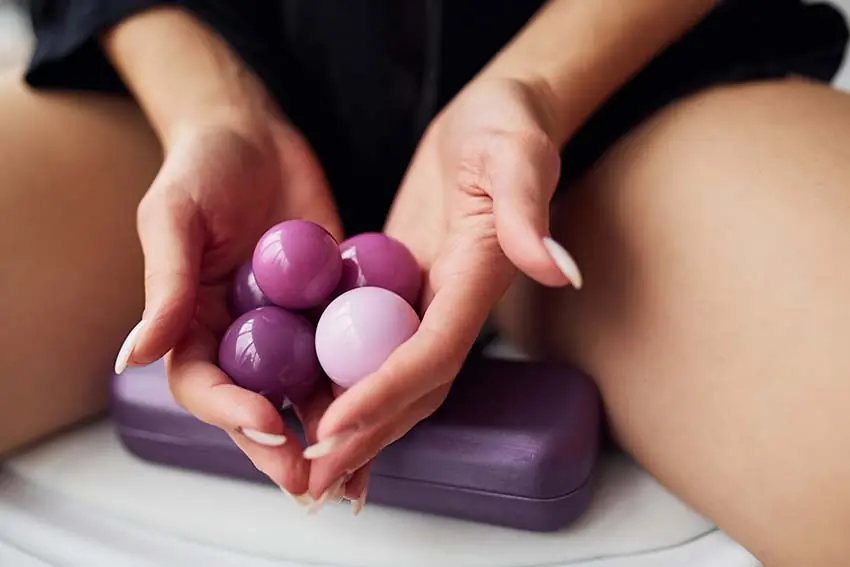
- Using vaginal devices, Geisha balls or cones adds exercise resistance for further strengthening.
How can intimate tissues
tighten without surgery?
Vaginal laser effectively performs non-surgical vaginoplasty. Office treatment tones, narrows and remodels for renewed fulfilling sexual and intimate life.
Laser session procedure for vaginal laxity
Initial discussion precedes gynaecological examination. A gynaecologist's examination with normal cervical-vaginal smear within one year screens neoplasia, infection or lesions. Laboratory urine culture is performed days beforehand. Urinary infection prevents treatment.
No anaesthesia is needed.
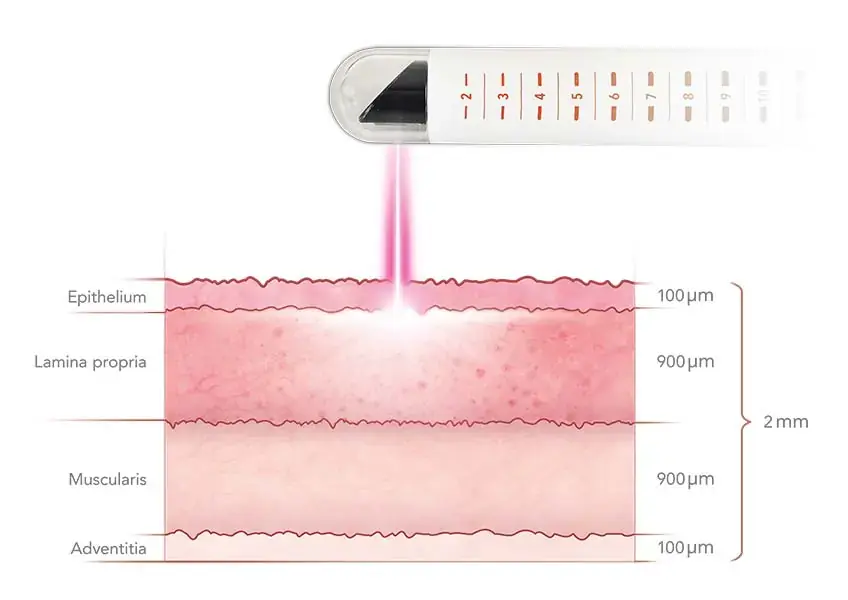
A single-use laser speculum with centimetre scale is used.
What are recommendations
after treatment?
Daily activities resume without particular restriction. Spontaneous healing needs no complex care.
Reddish discharge for 3 or 4 days is normal. Perineal herpes history requires prophylaxis.
Follow recommendations for optimal results.
- Avoid sex and intense activity for 48 hours.
- Avoid hot baths, saunas and pools for days.
- Avoid vaginal devices or pessaries for ten days.
How many sessions are
needed for vaginal
laxity?
Numbers depend on severity and goals. Generally 2 to 3 initial sessions 2 months apart.
Two suffice for 70%; annual maintenance according to severity.
In Geneva, Dr Romano agrees numbers at consultation.
Results before/after vaginal laxity treatment
Laser vaginoplasty results include:
- Greater firmness and tone.
- Improved sexual satisfaction.
- Reduced urinary incontinence symptoms.
- Collagen-related tissue quality improvement.
Tone improves one month after session one; final results at three months.
A real difference is noted three months after session two.
Vaginal laxity: laser treatment prices
Laser laxity treatment costs 600 CHF per session, covering consultation, indication assessment and advanced-device treatment.
Numbers depend on laxity, gynaecological and hormonal history and goals.
Generally two to three initial sessions two months apart provide gradual, lasting effects.
Total depends on sessions, clearly agreed beforehand in a personalised quotation.
Follow-up adapts timing and numbers to tissue changes and response.
Specific pricing may apply within comprehensive intimate care: vulvovaginal rehydration, tissue health or labia majora aesthetics.
All details and the personalised plan are explained initially.
Patient feedback on laser vaginal laxity treatment
Patients appreciate laser vaginoplasty.
Many report notably improved firmness and tone after two sessions, valuing non-invasive, almost painless care without recovery.
They report greater sexual satisfaction and less incontinence. Collagen stimulation improves long-term mucosal quality, offering modern, effective intimate well-being care.
A randomised trial involving two hundred women compared temperature-controlled radiofrequency with a sham treatment for a sensation of vaginal laxity. Laxity and sexual function questionnaires improved more in the active group up to six months. Not all anatomical measurements changed significantly. These results concern this radiofrequency treatment, rather than a laser.
A randomised trial involving 42 women with reduced sexual sensation compared two Erbium:YAG laser sessions, one month apart, with a sham treatment. In the laser group, satisfaction with the sensation of vaginal tone and overall satisfaction improved at the one- and three-month follow-up visits. Improved pelvic floor muscle contraction was also observed after the first session.
A double-blind randomised trial studied a CO₂ laser maintenance session in 119 women who had previously benefited temporarily from an earlier laser treatment for a sensation of vaginal laxity and reduced sexual sensation. At three months, vaginal health and sexual function scores were better in the laser group than in the sham-treatment group. At six months, these scores had returned to baseline. This study therefore shows a temporary benefit of the maintenance session in patients who had previously responded to treatment.
Frequently asked questions about vaginal laxity
How does vaginoplasty laser work?
Gentle heat stimulates collagen for firmness and structure.
When can I resume normal activities?
Immediately, following medical aftercare.
Who suits laser vaginal laxity treatment?
Healthy women with mild to moderate symptoms seeking firmness and tone. Consultation confirms suitability.
How long does vaginal rejuvenation take?
A laser vaginoplasty session lasts 20 to 30 minutes.
What are laser treatment benefits?
Improved firmness, tone and sexual satisfaction, reduced incontinence and lasting results without prolonged recovery.
How can intimate tissues tighten without surgery?
Vaginal radiofrequency or laser, Kegels and pelvic rehabilitation devices.
How do laxity and prolapse differ?
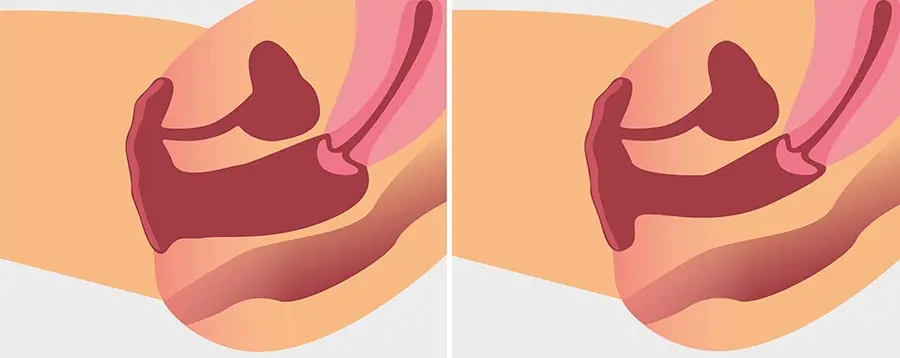
Laxity is reduced wall tension, felt as looseness or reduced sexual sensation. Prolapse is descent of bladder, uterus or rectum from weakened support, potentially protruding beyond the vulva.
Does laxity affect sexual sensations?
Yes, reduced intercourse sensations can impair satisfaction.
Are exercises effective?
Kegels strengthen pelvic muscles and improve tone.
Can untreated laxity worsen?
Yes, particularly with multiple births, ageing or intense exertion.
Does menopause influence laxity?
Yes, declining oestrogen thins tissue and reduces elasticity.
Is vaginal laser painful?
Generally very well tolerated, without notable pain; usually mild local warmth.
How can I choose a vaginal laser doctor in Geneva?
Consult doctors with proven experience in this field.