Home » Postpartum » Hair
Pregnancy is a period of intense changes for a woman’s body, changes that often continue after childbirth. Among these modifications, those affecting the hair are particularly noticeable. Hormonal fluctuations before, during and after pregnancy can have a significant impact on hair health.
Aesthetic-oriented medicine treatments address and improve this condition.
The post-partum period comes with significant hair changes that can be surprising and unsettling. Contrary to a common belief, hair loss after childbirth is not abnormal. It is a physiological phenomenon linked to hormonal variations. The shedding can be impressive, but it does not indicate permanent loss. Hair follicles remain active and gradually return to their normal cycle, generally within six to twelve months after childbirth.
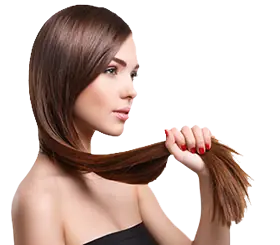
Hair loss after childbirth is an extremely common phenomenon and affects the majority of women, regardless of their hair type. It generally appears two to three months after birth and corresponds to a telogen effluvium, that is to say a shedding linked to the rapid drop in hormones that kept the hair in the growth phase during pregnancy.
The postpartum shedding is based on a well-identified mechanism. Estrogens, which are very high during pregnancy, keep a large proportion of the hair in the anagen phase, that is to say in the growth phase. The hair remains in place longer, which explains the beauty of the hair throughout the nine months. After birth, the estrogen level drops, causing a massive shift of the hair into the telogen phase, the shedding phase. This simultaneous movement of a large number of follicles explains the impression of sudden loss.
Other factors can accentuate this naturally transitory phenomenon. Fatigue, lack of sleep, nutritional deficiencies, stress or the loss of minerals linked to breastfeeding can weaken the hair fiber and slow regrowth. In some cases, a latent androgenetic alopecia can become more visible during this period, making the shedding more pronounced.
Postpartum shedding most often appears as diffuse loss, giving the impression that the hair is gradually becoming thinner. One generally notices more hair in the brush, in the shower or on the pillow. This loss affects the entire scalp, but it is often more visible around the temples, a region particularly sensitive to hormonal variations.
Unlike other forms of alopecia, postpartum shedding does not cause bald patches. If the loss seems excessive, rapid or concentrated in a specific area, it is advisable to consult a doctor to rule out another cause of alopecia
Changes in the hair are often a source of insecurity, but with the right care and aesthetic-oriented treatments, it is possible to regain beautiful, healthy hair.
It is advisable to consult a doctor for an accurate diagnosis and an appropriate treatment protocol.
Two treatments are offered for postpartum hair loss.
PRP for hair : this treatment uses the patient’s platelet-rich plasma (PRP) to stimulate hair follicles and promote hair growth.
The hair mesotherapy : this technique consists of injecting vitamins, minerals and other nutrients directly into the scalp to nourish the hair follicles and stimulate regrowth.

The hairs that fall out after childbirth do grow back. Postpartum hair loss is a temporary phenomenon linked to hormonal variations and does not damage the follicles. When the hair cycle returns to its normal rhythm, the hairs spontaneously begin to grow back. Regrowth becomes visible after a few months, first as small hairs at the temples or along the hairline. Most women regain their usual density between six and twelve months after childbirth, although this timeframe may vary depending on stress, nutritional status or the needs of the scalp.
It is not possible to prevent postpartum effluvium, as it is a physiological phenomenon. However, a healthy lifestyle, a diet rich in essential nutrients, appropriate care and monitoring for any deficiencies can help reduce its intensity. It is important to take care of the scalp and limit hair aggressions during pregnancy and after childbirth.
The treatments designed to improve scalp quality and stimulate regrowth are based on precise protocols, whose cost depends on the number of sessions needed to obtain an optimal result.
The PRP hair treatment is offered at 500 CHF per session. An initial treatment generally includes three sessions spaced two months apart, a rhythm that allows for progressive and lasting stimulation of the follicles. An annual maintenance session is then recommended to maintain hair density and vitality.
Hair mesotherapy is offered at 200 CHF per session. The initial protocol is based on six sessions performed every two weeks in order to progressively revitalise the scalp and strengthen the hair shaft. Once the initial phase is completed, regular maintenance, at the rate of one session every three to four months, helps prolong the benefits of the treatment and stabilise the long-term results.
These two techniques can be combined to optimise regrowth and improve the overall quality of the hair.
Yes, hair mesotherapy is effective after childbirth. This technique involves injecting a blend of vitamins, minerals, and amino acids directly into the scalp, stimulating blood circulation and promoting hair growth.
Yes, scalp biorevitalisation can be performed after childbirth. This method involves injections of nutritive substances to revitalise the hair follicles and improve hair quality. However, it is recommended to consult a doctor before starting this treatment.
To strengthen fine and brittle hair after pregnancy, treatments such as hair mesotherapy, which deeply nourishes the scalp, are recommended. In addition, the use of gentle shampoos, strengthening masks and a diet rich in essential vitamins and minerals helps improve hair health.
Yes, medical treatments such as hair mesotherapy and platelet-rich plasma (PRP) injections can improve hair density postpartum. PRP, in particular, uses the patient’s own platelets to stimulate hair regrowth.
Food supplements containing vitamin B8 (biotin), zinc and selenium are recommended to combat postpartum hair loss. These nutrients contribute to the maintenance of normal hair and promote its growth.
It is essential to consult a doctor before starting any treatment or dietary supplement to ensure that it is suitable for your personal situation.