


HYALURONIC ACID INJECTIONS

What is hyaluronic acid ?

Hyaluronic acid is a component of the skin and contributes to hydration and skin density.
It is a biodegradable gel whose lifespan varies between six and twelve months, depending on the injection site and the product used. It is biocompatible (identical to what we naturally have), which ensures safety and the absence of rejection. It has become one of the flagship products in aesthetic medicine.

Contents

Key Points

Hyaluronic acid injections in Geneva

The hyaluronic acid injections visibly reduce changes related to age. Biocompatible and biodegradable, hyaluronic acid has become the flagship product in the treatment of facial and body ageing, as it allows the filling of wrinkles and fine lines without surgery.

The skin is plumped for a genuine “youth boost” effect. Minimal side effects, immediate results, the injection of hyaluronic acid is a proven technique, performed in the office of Doctor Valeria Romano in Geneva.

What are the effects of hyaluronic acid ?

A substance naturally present in the body, hyaluronic acid plays an essential role in the hydration and suppleness of tissues. Used in cosmetics as well as in aesthetic-oriented medicine, it offers numerous benefits. Its main effects are :

  • Intense hydration of the skin : hyaluronic acid attracts and retains water, providing deep and long-lasting hydration.
  • Anti-ageing and age-defying action.
  • Volumizing and filling properties.
  • Anti-wrinkle and anti-fold properties.
  • Improvement of skin irregularities.
  • Improvement of facial contours and proportions.
  • Stimulator of collagen synthesis : hyaluronic acid stimulates the activity of skin cells.
  • Filling of wrinkles and fine lines.
  • Volume enhancement : hyaluronic acid restores volume to areas of the face that have lost it, such as the cheeks or the lips.
  • Improvement of skin elasticity : by stimulating collagen production, hyaluronic acid contributes to the firmness and suppleness of the skin.
  • Repairing effect : hyaluronic acid promotes healing and cellular regeneration.

What are the indications for hyaluronic acid injections ?

Hyaluronic acid injections are an aesthetic-oriented medicine treatment performed for the correction of wrinkles, the remodeling of volumes, the lifting of the face and the treatment of the skin. The indications are numerous.

Skin hydration and revitalization

deep hydration of the skin by injection of hyaluronic acid

All types of hyaluronic acid contribute to skin hydration, but the Skinbooster is a hyaluronic acid designed exclusively for this indication. The particles of the product are very small (so as not to give volume) and have a very high hydrophilic capacity. The result is a healthy-glow effect, more hydrated and toned skin, and the disappearance of any crepey appearance.

Wrinkle filling

Depending on the type of wrinkle, particularly its location and depth, different types of acids will be used. However, for this indication, Doctor Romano never chooses very volumizing products that can inflate the face and create unsightly lumps. It is important to specify that wrinkles accompanied by a marked break in the epidermis will be improved but not erased. Expression wrinkles (on the forehead, glabella and crow’s feet) are treated with injections of botulinum toxin.

Intimate area

image hyaluronic acid intimate area

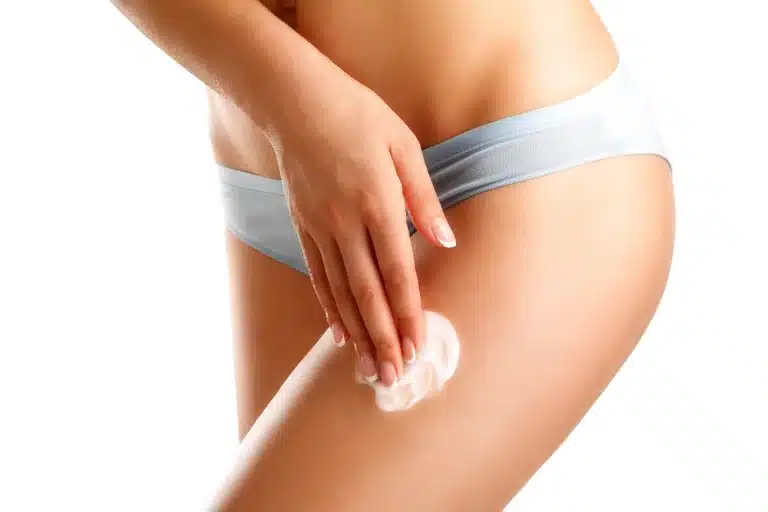
The treatment of changes affecting the intimate area is becoming an increasingly frequent request in aesthetic-oriented medicine. Hyaluronic acid is used in the enhancement of the G-spot, of the labia majora and for the treatment of vaginal dryness.
The result is immediate and lasts one year. The injections are painless and the after-effects minimal.

Restoration or creation of volumes on the face and hands

For volume creation, a volumizing hyaluronic acid is used. It is a product whose particles are quite large, which allows them to lift the tissues.
The choice of Doctor Romano is for gels that are very slightly hydrophilic to avoid the puffy effect and temporary swelling (following an excess of salt for example or a plane trip).
In young patients, this often involves volume creation of the face : lips, cheekbones, chin, nose…
After the age of thirty, it is important to perform medical lift techniques to reposition the volumes that shift over time and then to increase them.

In which cases should one resort to hyaluronic acid injections ?

Since its discovery in 1934, hyaluronic acid has been used in the medical field to treat numerous conditions (ENT, neurology…). In aesthetic-oriented medicine this product has been successfully used since 1990. Patients who resort to this anti-ageing technique can feel reassured. It is a medical device certified by CE marking and benefiting from strict traceability.

A plumped and visibly rejuvenated face

At the appearance of the first signs of ageing, hyaluronic acid injections help to soften them. Indeed, as time passes, the amount of hyaluronic acid naturally present in the skin decreases, the skin loses elasticity, and the “baby-skin” effect disappears. The application of anti-wrinkle creams is not enough. Hyaluronic acid injections compensate for the loss of volume due to age, but also redefine the facial oval, hydrate the skin and smooth out wrinkles and fine lines. Moreover, hyaluronic acid is recognised for its hydrating properties. Thanks to the injections, the skin is firmer, better hydrated, the face is plumped and visibly rejuvenated.

For the body and the facev

  • Volumizing product to fill hollows : tear troughs, scars, nasolabial folds…
  • Volumizing product to create volume : cheekbones, lips…
  • Lifting product : facial lift, brow lift…
  • Product for adding volume to certain body areas : buttocks, calves…
  • Product for densifying and rejuvenating the skin.
  • Beautiphication product for the face (enhancing beauty and attractiveness) : profiloplasty, masculinization, feminization…

A reshaped body

Hyaluronic acid injections can also be used to reshape certain parts of the body. Thus, its plumping effect makes it possible to obtain the desired contour, for example rounder and lifted buttocks, firmer calves. The silhouette is aesthetically improved. The benefits of this treatment for the patient are felt on the physical, psychological and emotional levels.

Hyaluronic acid and botulinum toxin : what differences ?

Hyaluronic acid and botulinum toxin are two popular treatments in aesthetic-oriented medicine, but they act in different ways.
Hyaluronic acid is used mainly to fill wrinkles, restore volume and hydrate the skin. It is injected directly into the areas that present the aesthetic concern to be treated.
Botulinum toxin, on the other hand, is a muscle relaxant that works by blocking the nerve signals that reach the muscles. It is indicated for smoothing dynamic wrinkles, such as those of the forehead, the frown lines or the crow’s feet. This product is not injected directly into the wrinkle but into the muscle whose contraction causes the wrinkle.
Its lifespan is shorter than that of hyaluronic acid : the lifespan of botulinum toxin is six months, that of hyaluronic acid one year.

Which is better between botulinum toxin and hyaluronic acid ?

Be careful not to confuse hyaluronic acid and botulinum toxin. These two products have different properties, specificities and applications.
Thus, botulinum toxin, which has been on the market since 2003, is used for the treatment of certain expression wrinkles. Botulinum toxin works by blocking the contraction of the muscles responsible for these wrinkles, which are thereby smoothed out.
Hyaluronic acid, naturally present in our body, is used to soften static wrinkles, lift tissues and provide volume.

Procedure of a hyaluronic acid injection session

Concretely, how does a hyaluronic acid injection session take place ? A preliminary consultation is scheduled in order to define the result that can be proposed to the patient.
The injection of hyaluronic acid is performed at the office after taking photos.
The procedure is quite fast, it lasts about twenty minutes and no anaesthesia is necessary.
The proposed and recommended result is a natural one, but the patient’s desires and wishes are respected.
The analysis of the face requires an experienced eye and a deep knowledge of the rules of harmony and beauty.

photo of hyaluronic acid session in Geneva

On disinfected skin, several injection techniques can be used .

  • The technique used : bolus, fanning, linear threading, retrotracing.
  • The product used : products vary in viscosity, firmness, volumizing effect, and hydrophilicity.
  • The depth of injection : mid dermis, superficial dermis, deep dermis, superficial subcutaneous, deep subcutaneous, deep fat, periosteal.
  • The quantity of product used per injection point.
  • The tool used : needle or cannula (a needle with a rounded tip). 


Once the injection is done, a massage with a moisturizing cream is performed to even out the result and distribute the product properly.

Precautions after hyaluronic acid injection

After the injection, it is important to follow certain instructions.

For 48 hours

  • Do not take anti-inflammatory.
  • Avoid prolonged or intense exposure to the sun or extreme cold.
  • Do not engage in intense physical activity.
  • Do not go to a sauna or steam room.


For one week 

  • Avoid facial cleansing treatments.
  • Do not apply harsh products to the skin.


For one month

  • Do not undergo laser, radiofrequency, or ultrasound treatments on the injected area.

What are the contraindications of hyaluronic acid ?

hyaluronic acid precautions

To avoid any risk of complication, contraindications must be strictly respected.
It is forbidden to undergo a hyaluronic acid injection in the following cases.

  • Damaged or infected skin in the injection area.
  • Pregnancy and breastfeeding.
  • Hepatitis C.
  • Autoimmune diseases.
  • Presence of a non-resorbable product in the injection area.
  • Taking anticoagulants (this contraindication is not absolute). 

What are the side effects of hyaluronic acid injections ?

As for side effects, they remain minor and temporary. They do not require social downtime, as they are limited both in intensity and duration. Indeed, since hyaluronic acid is naturally present in the body, the risks are extremely limited, and most patients tolerate its injection extremely well. The biocompatible and biodegradable nature of the product makes tolerance tests unnecessary.

The side effects that may be observed after a session are :

  • Swelling (edema) around the lips and tear troughs. This temporary phenomenon can be prevented and treated with Solupred and Extranase. It is advisable to schedule lip and tear trough injections on Fridays.
  • Bruising is rare but possible, especially on thin skin. It can be prevented and treated with homeopathy (Arnica 5CH).
  • In case of herpes, taking Aciclovir is recommended to prevent a new outbreak after injection.

At what age can you start hyaluronic acid injections ?

There is no minimum age. Nowadays, even minors (accompanied by at least one parent and with written consent from both parents) resort to these injections.
Depending on the indication, the starting ages differ.

  • For intimate injections : throughout one’s sexual life.
  • For facial enhancements and certain morphological modifications, for example the lips, women often start in their twenties.
  • For wrinkles and skin revitalization, it is around the thirties. Starting the treatment at the appearance of the first signs of ageing gives better results.
  • For more advanced changes (e.g. hand or neck aging) : around fifty.

Where are hyaluronic acid injections most commonly performed ?

The most frequently performed hyaluronic acid injections are :


Hyaluronic acid results : before / after hyaluronic acid injections

The result is immediate.
Depending on the cross-linking and firmness of the product, the injection site and the quantity used, the result lasts between six and twelve months.
In certain indications, such as the lips or the upper eyelids, swelling is present after the injection, and one must wait one week before appreciating the final result.
The skin is more hydrated and plumped, the volumes restored and the face enhanced.

What is the price of a hyaluronic acid injection ?

Hyaluronic acid : what is the price of a session ? Convinced by its effectiveness, are you considering undergoing a hyaluronic acid injection ? Is the price determined in advance ?
Doctor Valéria Romano receives you in her office in Geneva. A first consultation makes it possible to better understand your expectations and to define the injections needed to obtain the desired results. The price of injecting one syringe of hyaluronic acid depends on the indication.
The price of one syringe of hyaluronic acid in Geneva is 600 CHF for the majority of indications.
Depending on the anatomical area and the complexity of the procedure, the price may vary between 650 CHF and 900 CHF per syringe. This variation reflects both the required technical skills, the duration of the procedure, and the specific nature of the product used (for example, some gels that are denser or more stable over time are more expensive).
The total cost will also depend on the number of syringes used. The number of syringes required is defined during the initial consultation, depending on aesthetic needs, facial morphology, and the desired result. It is not uncommon for several syringes to be indicated for a harmonious global treatment, but the approach remains progressive and tailor-made.
Hyaluronic acid injections are a full-fledged medical procedure. The price therefore reflects the quality of the product, the expertise of the doctor, and the safety conditions in which the treatment is performed.

Hyaluronic acid injection reviews

Patient reviews of hyaluronic acid injections are positive, although experiences may vary depending on several factors. Satisfaction largely depends on the expertise of the doctor and on the patients’ realistic expectations regarding the results.
Many patients appreciate the aesthetic results : the visible improvement in skin firmness and hydration, the reduction of wrinkles and fine lines.
They appreciate the fact that the injections are relatively quick and minimally painful and do not require recovery time.
The minor and temporary side effects (redness, small swellings and bruises) are well tolerated.

Hyaluronic acid creams vs. injections : which is better ?

Hyaluronic acid–based creams and hyaluronic acid injections are beneficial for the skin, but their effects and applications differ.
Creams hydrate the surface of the skin, temporarily improving its appearance and quality. They are ideal for daily use and for maintaining very superficial skin hydration. They do not penetrate deeply, do not fill wrinkles and do not restore volumes. Creams are a useful complement in a skincare routine.
Injections provide immediate and longer-lasting results. They offer a significant anti-ageing effect, fill wrinkles and restore volumes. For visible and effective rejuvenation, hyaluronic acid injections are the right choice.

Hyaluronic acid : is it dangerous ?

Hyaluronic acid is a substance naturally present in the human body, used in aesthetic-oriented medicine for its hydrating and volumizing properties. When injected by a doctor trained in the technique and experienced, hyaluronic acid is safe and well tolerated. However, as with any treatment, side effects may occur, such as redness, bruising or slight swelling at the injection site.

Blog articles about hyaluronic acid injections

Which hyaluronic acid injection at what age ?
Top 5 most requested hyaluronic acid–based products
How to know if hyaluronic acid is effective ?
Myths and realities about hyaluronic acid injections
New applications of hyaluronic acid : which innovations are coming ?
Hyaluronic acid creams and injections : the differences
The most popular hyaluronic acid injection techniques in 2024
Hyaluronic acid for the face : why it is the treatment of the stars
Collagen or hyaluronic acid ? Which one for the skin ?
Hyaluronic acid and hydration : innovations for radiant skin
Hyaluronic acid for each skin type
The benefits of hyaluronic acid for sensitive skin
Hyaluronic acid safety and regulation : standards and guidelines
Hyaluronic acid : skincare trends
Hyaluronic acid : how much does an injection cost and which factors affect the price ?
When can the effect of a hyaluronic acid injection be seen ?
Wrinkle filling with hyaluronic acid injections
Botulinum toxin or hyaluronic acid : what differences ?
What is the price of a hyaluronic acid injection ?
Hyaluronic acid injections : reviews
Hyaluronic acid injections : before/after, what to expect ?
Who can inject hyaluronic acid in Switzerland ?
What are the disadvantages of hyaluronic acid ?
What is the best hyaluronic acid injection ?
Which hyaluronic acid lasts the longest ?
Which injection gives beautiful skin ?
Hyaluronic acid : is it dangerous ?
Which injection to rejuvenate the face ?
Where to find natural hyaluronic acid ?
Does the Tyndall effect disappear ?
How to make hyaluronic acid injections last longer ?
How do hyaluronic acid injections age ?
Why do hyaluronic acid injections not last ?
What is the interval between two hyaluronic acid injections ?
Can hyaluronic acid stay for life ?
Are hyaluronic acid injections painful ?
Should I ask for sick leave after hyaluronic acid injections ?
Does hyaluronic acid make the face swell ?
How do hyaluronic acid injections work ?
Can you smoke after a hyaluronic acid injection ?
How to sleep after a hyaluronic acid injection ?
What is the alternative to hyaluronic acid injections ?
When can the effect of a hyaluronic acid injection be seen ?
How to avoid bruising after a hyaluronic acid injection ?
Why drink water after a hyaluronic acid injection ?
Should you massage after a hyaluronic acid injection ?
When to apply makeup after a hyaluronic acid injection ?
How to remove a bruise after an injection ?
How to reduce swelling after a hyaluronic acid injection ?
How to maintain a hyaluronic acid injection ?
Why do hyaluronic acid injections not work on me ?
How to make lumps disappear after a hyaluronic acid injection ?
Does hyaluronic acid move ?
What is hyaluronic acid ?
Hyaluronic acid and botulinum toxin : what differences ?
Creams vs hyaluronic acid injections : which is the best choice ?
Why do hyaluronic acid injections not work on me ?
Which precautions to take after hyaluronic acid injections ?
Does hyaluronic acid delay ageing ?
Which wrinkles can be treated with hyaluronic acid ?
When is the effect of a hyaluronic acid injection seen ?
What should be avoided before a hyaluronic acid injection ?
Can one be allergic to hyaluronic acid ?

Where can I find natural hyaluronic acid ?

Natural hyaluronic acid is found in the body's connective tissues, particularly in the skin, joints and eyes. It is also present in certain foods such as bone broth, green leafy vegetables, soya and citrus fruits. For medical and aesthetic applications, hyaluronic acid is often produced chemically, which guarantees optimum purity and compatibility with the human body.

The Tyndall effect, the temporary blue colour of the skin after a hyaluronic acid injection, can diminish over time. This effect is generally caused by an injection that is too superficial or by poor technique. It is important to consult an experienced doctor to avoid this inconvenience. The Tyndall effect takes years to disappear.

To prolong the effects of hyaluronic acid injections, it is advisable to :

  • Have a good skincare routine.
  • Maintain good skin hydration.
  • Protect the skin against external aggressions such as UV rays.
  • Avoid tobacco and alcohol.
  • A balanced diet and a healthy lifestyle.
  • Inject regularly, following the treatment plan suggested by your injecting doctor.

Hyaluronic acid injections are gradually and naturally reabsorbed over time, as hyaluronic acid is broken down by the body. Over the months, the gel is metabolised and the effects gradually diminish. 

Several factors can influence the durability of hyaluronic acid injections, including the quality and quantity of the product used, the injection technique and the patient's individual metabolism. Intense physical activity and certain lifestyle habits, such as saunas and steam baths, can accelerate its degradation. A consultation with an experienced doctor can help optimise the results and duration of the effects.

Although hyaluronic acid injections are generally safe, risks and side effects can occur: redness, bruising, temporary swelling. If the injections are carried out by an inexperienced doctor or a non-medical professional, more serious complications are possible: infections, necrosis, granulomas. Hence the importance of consulting an experienced, qualified doctor.

The time between two hyaluronic acid injections depends on the area treated, the patient's anatomy and the type of product used. In general, it is recommended to wait at least six months before repeating the injection. The doctor will be able to recommend a specific interval depending on your morphology and your aesthetic goals.

The hyaluronic acid injected is not permanent. It breaks down naturally in the body, being metabolised and eliminated. The effects last between six and twelve months, depending on the type of hyaluronic acid used and the area treated. Regular injections are necessary to maintain the results.

If carried out by an experienced doctor, hyaluronic acid injections are virtually painless. The product contains an anaesthetic. An anaesthetic cream may be applied to minimise pain, but this is often not necessary.

Before the injections, it is advisable to avoid medicines and supplements that thin the blood to reduce the risk of bruising: aspirin, ibuprofen and vitamin E. A doctor's advice is required before stopping any medication. 

Hyaluronic acid injections are contraindicated during pregnancy . However, a woman who has injections without knowing that she is pregnant can be reassured. Injections are not performed during pregnancy as a precautionary measure.
A breastfeeding woman must express milk before the injections.

The resumption of usual activities is possible immediately after the injection. The only exception is represented by the lips, which may swell significantly.
It is still recommended to avoid sports and excessive sun exposure for twenty-four hours. Patients often resort to these techniques during their lunch break or before going to work.

Highly cross-linked and very dense hyaluronic acid lasts longer than less cross-linked versions. This type of product is used to add volume or for lifting techniques.

Hyaluronic acid injections can cause slight temporary swelling just after the treatment, which disappears in a few days. The aim of the injections is to restore lost volume and improve the contours of the face in a natural way. An experienced doctor will ensure that any excessive swelling is avoided.

Yes, the hyaluronic acid injected breaks down and is reabsorbed by the body over time. The effects of the injections are therefore temporary. Maintenance sessions are necessary to maintain the results.

Hyaluronic acid is injected to fill in wrinkles, restore lost volume and hydrate the skin.

It is strongly recommended not to smoke in the two days following a hyaluronic acid injection. Smoking can harm the healing process and cause side effects. It reduces tissue oxygenation, increases inflammation and shortens the duration of the results.
Tobacco is harmful to health.

Doctors are the only professionals authorised to carry out injections. 

It is recommended to sleep on your back with your head slightly elevated on the first night after an injection, as this reduces swelling. Sleeping in another position does not affect the result and does not cause the product to move.

The highly cross-linked and highly volumizing hyaluronic acids last the longest, often up to 12 to 18 months.

It all depends on the indication and the patient’s anatomy. In general, the alternatives are : botulinum toxin injections, collagen-inducing fillers such as Radiesse and Sculptra, lasers, chemical peels and radiofrequency.

The effects of hyaluronic acid injections are visible immediately after the treatment. However, the result is optimal one to two weeks later.

To minimise the risk of bruising, it is better to avoid certain supplements (vitamin E, ginkgo biloba) for one week before and after the injection.
Stopping anticoagulants, antiplatelet agents and anti-inflammatories must be done only after the approval of the prescribing doctor.
Taking Arnica the day before the injection may be helpful.
The frequency of bruising is linked to the experience of the injecting physician.

Lumps may form if the hyaluronic acid is not properly distributed or if the product migrates. This is a technical error. Properly injected hyaluronic acid does not create lumps.

This is a false belief. It is advisable to hydrate properly. Drinking more does not change the result.

Massaging the injected area is generally not recommended. Massage could move the product.

It is advisable to wait at least 24 hours before applying makeup.

To avoid any pressure or excessive movement on the treated area, it is recommended to wait 24 to 48 hours before kissing.

To reduce bruising, apply cold compresses to the bruise.
Creams containing arnica or vitamin K can be used to speed up the process.

To reduce swelling, apply cold compresses to the treated area for 10 to 15 minutes at regular intervals. Avoid strenuous physical activity and keep your head elevated when sleeping. Taking bromelain speeds up the process.

To maintain the results, regularly moisturise your skin and use appropriate skincare. Avoid excessive sun exposure and intense heat (sauna and hammam) and consult your doctor for regular maintenance treatments, generally every 6 to 12 months.

Hyaluronic acid injections may be less effective due to very thick skin, rapid degradation of the product or an unsuitable injection technique. For good results, it is therefore essential to consult an experienced doctor.

To make lumps disappear after a hyaluronic acid injection, light massages can help. If they persist, the doctor will assess whether to massage them or perform a touch-up.

Properly injected, hyaluronic acid stays in place. It is important to consult an experienced doctor who identifies the correct indications, injects the right product (there is a variety of hyaluronic acids depending on the indication), in the right place (there are different depths of injection), and in the right quantity.

Other treatments