
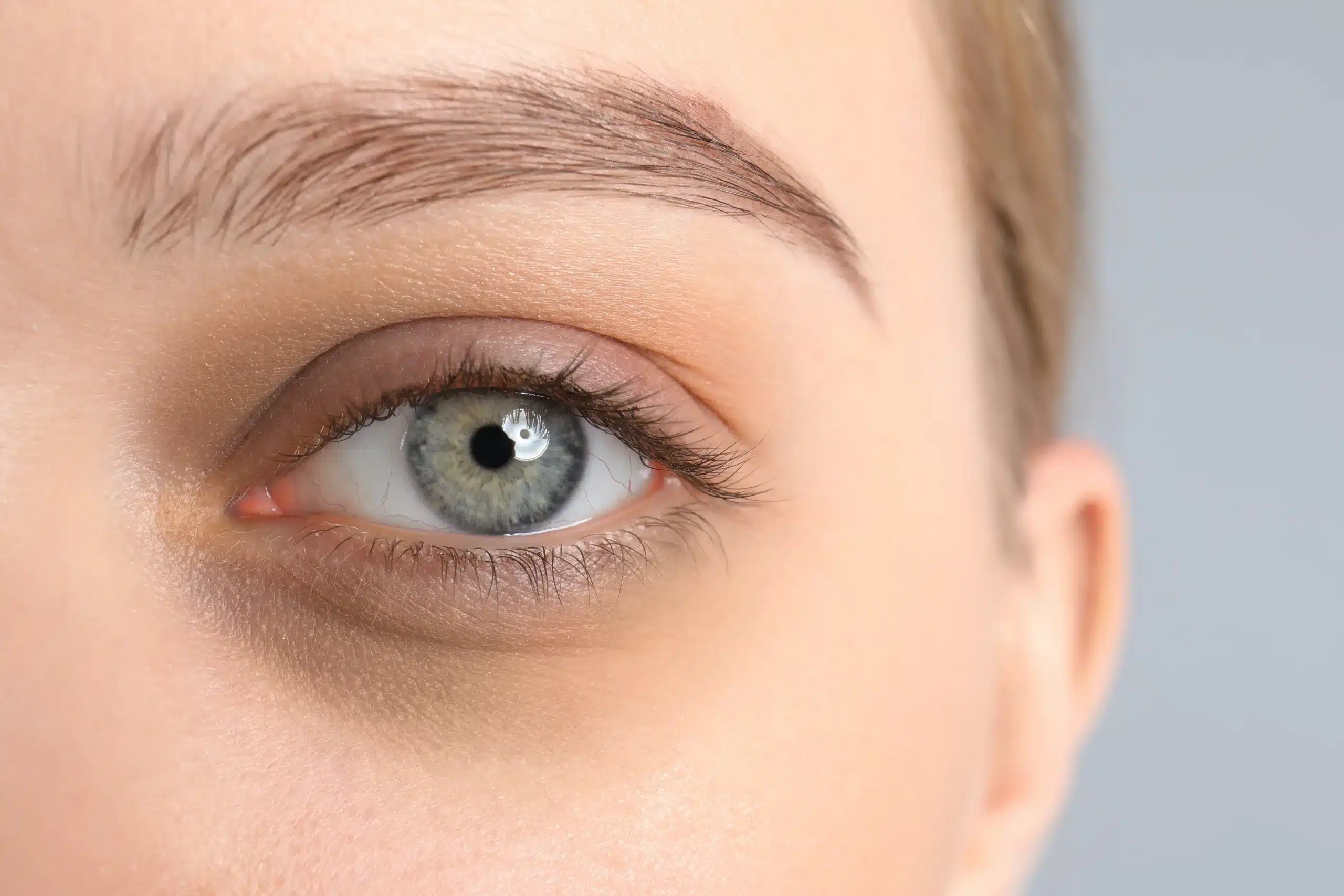
The eyes are often considered a reflection of the soul. They communicate emotions, create connections and play a crucial role in our overall appearance. Over time, the skin around the eyes can show signs of premature ageing, such as wrinkles, bags and dark circles. Indeed, any aesthetic concern in the orbital region can create a sad, tired and aged appearance.
Aesthetic medicine techniques offer numerous options to revitalise and rejuvenate this delicate area.
Signs of ageing around the eyes can be treated effectively, restoring radiance and freshness to the eyes.


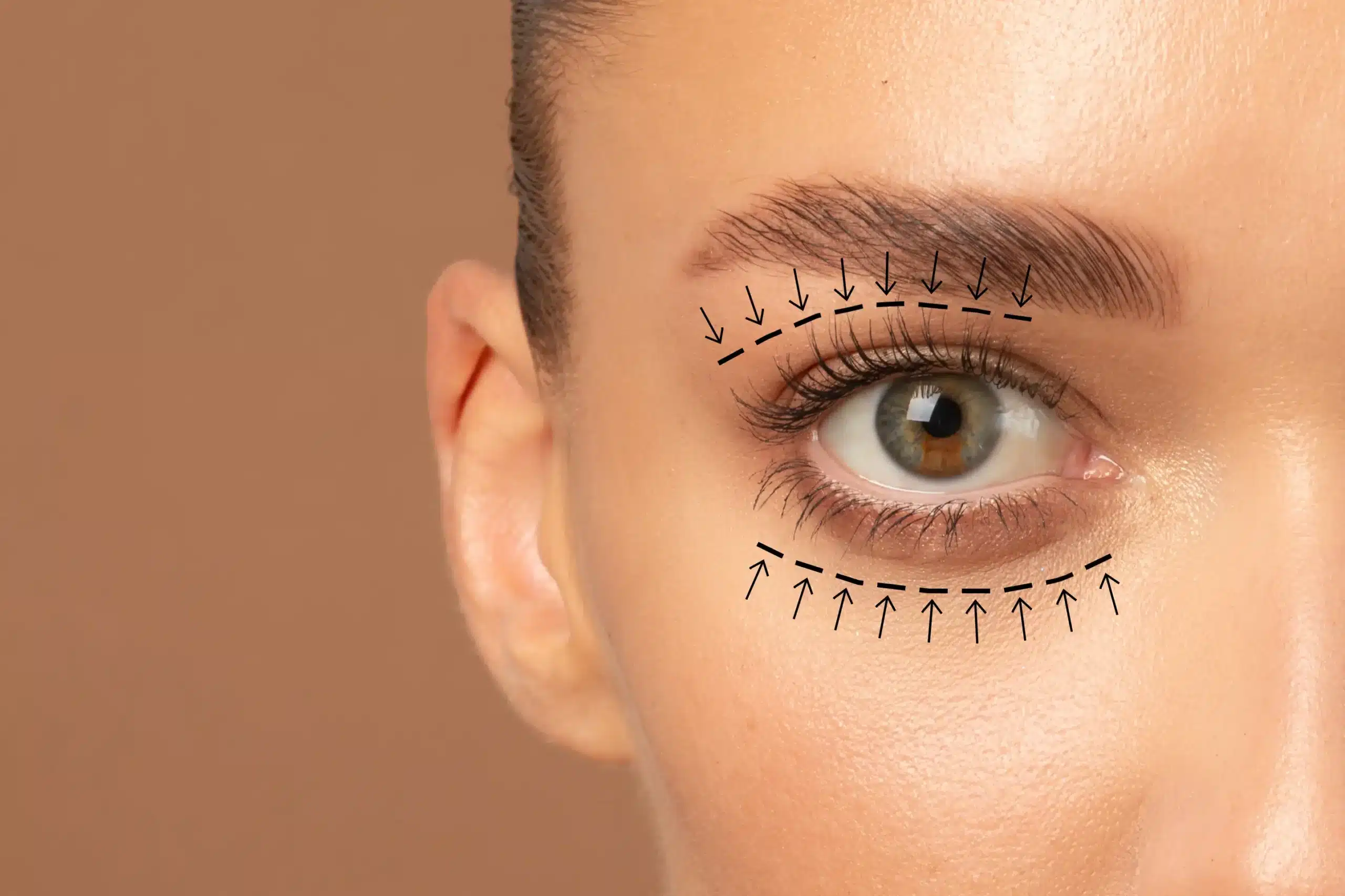
Ageing of the eye area : causes
The eye area is one of the most expressive parts of the face. It reflects not only our emotions but also our age, vitality and health. Over time, repeated expressions, weight fluctuations, loss of skin tone and natural tissue ageing weaken this delicate region. The first signs of ageing often appear around the eyes : dark circles, hollow eyes, crepey eyelids, pronounced tear troughs or drooping brows. The orbital area consists of extremely thin tissues, sensitive to changes in volume, dehydration and loss of firmness.
With age, the skin gradually loses collagen, elastin and natural hyaluronic acid. The eyelids look tired, volume shifts and contours become less defined. Repeated expressions cause creases to form, while periorbital fat pads can move or diminish. Eyes that were once bright and open may then appear tired, sad or stern despite good general health. This natural process can also be accelerated by external factors such as stress, lack of sleep, smoking, UV exposure or hormonal fluctuations.
How can the eye contour be rejuvenated ?
During an initial consultation, the doctor identifies the concerns to be treated in order to offer a personalised solution.
The most common aesthetic concerns are :
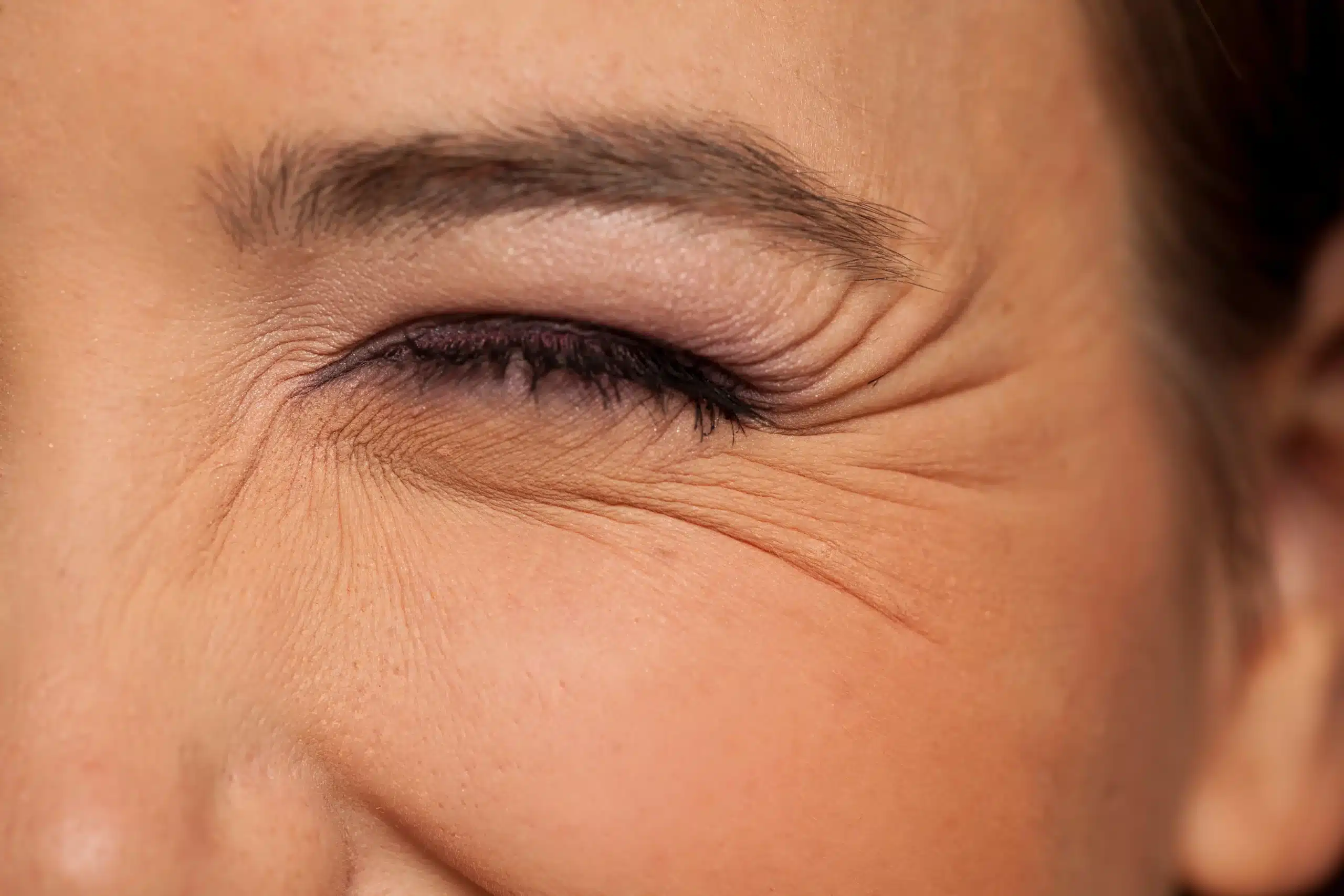
- Wrinkles around the eyes, known as crow's feet, are often the first visible signs of ageing. They are caused by repeated facial muscle movements and reduced collagen and elastin production.
- Dark circles can create a tired, aged appearance. They may be caused by genetic factors, poor blood circulation or lifestyle habits. Dark circles may be bluish, brown or hollow, each requiring a specific treatment.
- Under-eye bags are caused by a build-up of fat or fluid and can be worsened by ageing, allergies or lack of sleep.
Which treatments rejuvenate the eye area ?

Several aesthetic medicine treatments can improve the eye area.
- Botulinum toxin injections are effective in reducing expression lines around the eyes. By relaxing the muscles responsible for wrinkles, the eyes look more rested and the skin is smoother.
- Hyaluronic acid is used to fill hollow under-eye areas and restore lost volume around the eyes. This substance is naturally present in the skin. Results are immediate and natural.
- Chemical peels exfoliate the superficial skin layers, reducing fine lines and improving skin quality and radiance. They are particularly useful for treating fine lines around the eyes.
- Laser treatments stimulate collagen production and improve skin density. They are effective in reducing wrinkles and pigmented dark circles and improving skin elasticity around the eyes.
Tired-looking eyes : what are the causes ?
Several signs can affect the eye area and create an impression of tiredness or premature ageing. Each concern has its own clinical characteristics and requires personalised treatment.
Dark circles are characterised by dark colouring under the eyes and may be pigmentary, vascular or related to volume loss.
Hollow eyes result from fat and bone resorption in the upper eyelid area.
The tear trough is a hollow between the lower eyelid and the cheek ; this aesthetic concern gives the face a tired, stern appearance.
Crepey eyelids are a sign of skin laxity, characterised by fine lines and loss of skin density.
Aesthetic medical care for the eye area
Treatment of the eye area is not limited to correcting an isolated concern. It requires a comprehensive assessment, taking account of bone structure, volume, skin quality and the emotional expression of the eyes. During the consultation, a precise evaluation identifies the main concern, any associated secondary signs and the patient's expectations. Aesthetic medicine techniques allow gradual treatment that respects the face's natural balance. The aim is not transformation, but restoration, enhancement and harmony.
Dark circles : treatment
Pigmentary dark circles are generally genetic or related to ethnic background, while vascular dark circles have a bluish colour related to thin skin : fine subcutaneous blood vessels are visible through it. Hollow dark circles result from a lack of volume (genetic or age-related), which accentuates the natural shadow under the eye. Treatment mainly involves injecting a specific hyaluronic acid suitable for this sensitive area to subtly fill the hollow and reduce the shadow. The gel's cross-linking, density and elasticity are decisive for a natural, lasting result. Complementary treatments can improve skin quality and reduce residual colouring.
Hollow eyes : hyaluronic acid
Hollow eyes result from volume loss in the periorbital region, often related to sagging fatty tissues or resorption of supporting structures below the orbit. This lack of support gives the eyes a tired, hardened or prematurely aged appearance, even in young patients. Treatment consists of subtly restoring volume with injections of hyaluronic acid specifically formulated for this delicate area. The aim is to restore the natural contour of the eyelid and brighten the eyes while preserving their expression. This correction is carried out gradually, respecting facial dynamics and natural tissue movement for a harmonious, imperceptible result.
Tear troughs : hyaluronic acid
The tear trough is a hollow between the lower eyelid and the cheek, resulting from infraorbital volume loss combined with gradual sagging of the cheekbone tissues. This depression interrupts the continuity of facial volume and accentuates the shadow under the eye, creating an impression of persistent tiredness. Treatment involves targeted injections of hyaluronic acid specifically designed for this area to gently fill the hollow, support sagging structures and restore the natural contour of the midface. This correction does more than soften the tear trough : it brightens the eyes, softens facial features and helps rejuvenate the whole face by restoring a natural transition between the eyelid and the cheek.
Medical brow lift
The brow plays an active part in facial expression. With age, it loses its natural support and descends slightly, sometimes giving the eyes a tired or heavy appearance. Botulinum toxin relaxes certain depressor muscles and stimulates the action of the elevator muscles. The indication for botulinum toxin is not brow lifting ; its indication is the treatment of expression lines between the brows and at the corners of the eyes. Blocking the muscles responsible for these lines creates a brow lift effect.
A medical brow lift is a gentle method that produces a subtle but visible effect without altering natural expression. The technique can be combined with skin treatment or volume restoration for optimal results.
Crepey eyelids
Treatment of crepey eyelids and periorbital wrinkles does not rely solely on restoring volume. Photorejuvenation and fractional ablative laser technologies stimulate collagen and elastin synthesis, inducing a gradual increase in skin density. This action not only smooths fine lines but also helps prevent skin laxity. When wrinkles are more pronounced or the skin has lost more tone, only a medium peel allows true skin regeneration by fully renewing the superficial skin layers. This treatment provides lasting removal of wrinkles and rejuvenates the eye area.
Results and duration
The duration of results varies according to the techniques used, the patient's skin quality and lifestyle. Hyaluronic acid injection results last between 6 and 15 months, depending on the product used and the patient's metabolism. Botulinum toxin has an average duration of action of 4 to 6 months. Laser photorejuvenation requires several sessions, but its effects are lasting thanks to natural collagen production. Regular follow-up maintains the benefits of the various treatments and allows preventive care to slow ageing.
Natural result
Aesthetic medicine now offers a gentle, harmonious and safe approach to improving and rejuvenating the eye area. The aim is not transformation, but enhancement of natural features, brighter eyes and a more rested, confident and harmonious expression. Each treatment is adapted, precise to the millimetre and respectful of facial identity. By choosing an experienced doctor, you opt for gradual, natural and elegant improvement.
For a personalised assessment, a medical consultation in Geneva provides a precise diagnosis and recommendations adapted to your face.
Frequently asked questions about rejuvenation of the eye area
What are the nonsurgical options for rejuvenating the eye area ?
Options include botulinum toxin injections to smooth expression lines, hyaluronic acid injections to fill hollow under-eye areas and restore volume, lifting threads to reposition tissues, and laser photorejuvenation to stimulate collagen production and firm the skin.
Are there side effects to eye area rejuvenation treatments ?
Nonsurgical treatments generally have minimal side effects, such as redness, bruising or mild swelling, which disappear within a few days.
Are natural remedies effective for revitalising the eye contour ?
Natural remedies, such as gentle massage or applying cold compresses, can temporarily reduce signs of tiredness, but their effects are limited compared with aesthetic medical treatments.
When is it recommended to consult a doctor about tired-looking eyes ?
Consulting a doctor is recommended when signs of tiredness persist despite rest and lifestyle measures, or if pronounced dark circles, bags or wrinkles affect your self-confidence.
What is the average cost of aesthetic treatments to revitalise the eye area ?
Prices vary according to the treatment. Each page of the website includes prices at the bottom of the page, according to the treatments.