Body skin laxity
Body laxity is multifactorial, influenced by natural ageing, weight changes, pregnancy, genetics and lifestyle. Unlike cellulite or fat deposits, it affects skin structure, particularly the dermal extracellular matrix. Declining collagen, elastin and hyaluronic acid reduce firmness, density and mechanical resistance. This particularly shows on abdomen, arms, thighs, knees and inner arms. Topical skincare, muscle exercise or massage can help maintain tightening but are often insufficient for dermal structure loss. Profhilo Body therefore aims to improve deep tissue quality without altering existing volume.

Mechanism and process
of skin bioremodelling
After injection, Profhilo Body gradually diffuses through the dermis, biologically stimulating fibroblasts without volume. Types I, III and IV collagen and elastin increase. Bioremodelling improves elasticity and restores mechanical properties. Skin better resists stretch and tension, particularly in friction- or stress-prone areas such as the postpartum abdomen or inner arms. Gradual effects reflect deep quality improvement rather than superficial correction.
This deep action softens creasing, improves support and resilience and reduces the thin, fragile, easily marked sensation patients often describe.
Which body areas can Profhilo Body treat?
Recommended for mild to moderate laxity with reduced firmness or density. Common areas include inner arms, abdomen after pregnancy or weight changes, inner thighs and around the navel. Knees may benefit when skin creases while seated or appears loose.
Results depend on dermal thickness, laxity, age, intrinsic tissue quality and lifestyle.
It does not replace surgical lifting, instead naturally improving structure and quality without volume.
Treatment procedure
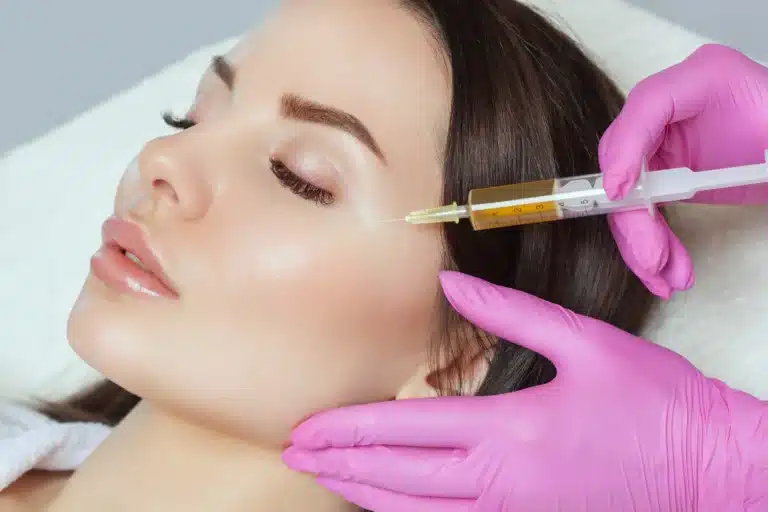
Office treatment follows a precise standardised protocol. Skin is cleaned and disinfected and points carefully marked. Fine needles or microcannulas inject a predefined ten-point pattern, followed by gradual diffusion.
Quick, well tolerated and without downtime, the usual protocol includes two sessions around four weeks apart. Assessment and response may justify a third or maintenance several months later.

Expected results
Effects are not immediate because the aim is gradual intrinsic quality improvement rather than volume. Initial changes follow weeks as stimulated cellular activity strengthens dermal cohesion and structure. Elasticity, density and uniformity improve, creasing diminishes and movement resistance increases.
Over months, skin becomes denser, more toned and less lax. Changes are discreet yet tangible visually and in comfort. Patients describe better structure and resilience even when aesthetic transformation is subtle. Duration varies with quality, age, lifestyle, sun and weight changes. Maintenance two to three times annually preserves benefits and prolongs stimulation.
Side effects
Injectable safety depends on substance quality, technical skill and prior skin and general assessment. Profhilo Body's favourable tolerance particularly reflects absence of chemical cross-linking, limiting inflammation and adverse effects. Common reactions are mild and temporary, resolving within hours or days: redness, tightness, local tenderness or moderate swelling. Serious complications remain rare in an appropriate medical setting with a trained, experienced doctor.
Contraindications to treatment
with Profhilo®
Contraindications include local infection, active skin disease in the area, autoimmune disease, pregnancy and breastfeeding. Particular vigilance is advised with immunosuppressants or healing disorders. Consultation assesses indication, quality and contraindications and defines an adapted protocol, ensuring safe, medically appropriate care and results respecting individual characteristics.
Is Profhilo treatment safe?

Profhilo has excellent tolerability. Without cross-linking agents, inflammation and adverse reaction risks are limited. Occasional mild redness, swelling or bruising at injection sites resolves within hours or days.
An experienced doctor familiar with facial anatomy and protocols is essential. Consultation excludes active infection, known hyaluronic acid allergy or uncontrolled autoimmune disease.
Body Profhilo and
scientific studies
Studies in Aesthetic Medicine, Journal of Cosmetic and Laser Therapy and Dermatologic Surgery support high-concentration stabilised hyaluronic acid bioremodelling, particularly Profhilo Body. Literature describes targeted fibroblast action promoting types I, III and IV collagen and elastin, measurably improving firmness, thickness and elasticity.
Clinical studies also show significantly increased hydration, reduced mild to moderate laxity and better mechanical resistance in inner arms, abdomen or thighs. Authors highlight tolerability, no downtime and high satisfaction, while noting it does not replace surgery for severe laxity. It is a relevant medical option for gradual, natural revitalisation.
How much do Profhilo injections cost?
Profhilo Body costs 600 CHF per syringe per treated area. Bilateral inner arms or thighs need two syringes, one per side. A single area needs one; bilateral areas need two.
The full protocol generally includes two sessions four weeks apart, with a possible third according to quality and response. Total cost therefore depends on area numbers, unilateral or bilateral treatment and sessions selected after assessment.
A detailed personalised quotation is always provided after consultation.
A clinical study assessed Profhilo Body for mild to moderate laxity of the inner arms and abdomen after two sessions one month apart. Clinical and instrumental assessments showed improvement from the first injection, maintained four months after the protocol began. As the study was conducted at a single centre without a control group, its results remain to be confirmed.
A study involving 50 women assessed Profhilo Body on the inner arms, abdomen or knees. Two sessions one month apart were performed. Clinical and instrumental assessments reported improved skin roughness and laxity, confirmed by participants. These results concern a protocol without a control group and the areas studied.
Source: Sparavigna et al., Journal of Plastic Dermatology, 2023.
A twelve-month follow-up study assessed Profhilo Body for inner-arm laxity. The protocol included two sessions one month apart, followed by five sessions two months apart. The improvement in laxity observed at three months was maintained at twelve months. These results concern this repeated protocol in a study without a control group.
Source: Sparavigna et al., Plastic and Aesthetic Nursing, 2026.
Who is this treatment for?
People with mild to moderate laxity, reduced firmness or impaired quality, particularly after pregnancy, weight loss or ageing.
Which areas can be treated?
Most often inner arms, abdomen (particularly postpartum), inner thighs and around the navel. Sometimes knees.
Is treatment painful?
Generally well tolerated, with moderate, brief tingling or warmth. Anaesthetic cream can be applied if needed.
How many sessions are needed ?
Two around four weeks apart. Quality and response may justify a third or maintenance after months.
When are results visible?
Gradually over weeks as collagen and elastin form. Skin becomes firmer, toned and visibly strengthened.
How long do effects last?
Several months depending on quality, age, lifestyle and maintenance. Personalised follow-up optimises duration. Repeat twice annually to preserve results.
Does Profhilo Body replace surgery?
No. It is not an alternative to lifting. It naturally improves quality and structure without shape changes or volume.